As the world rediscovers the beauty of cultural roots, Oman’s traditional music offers a captivating journey into its rich heritage. Recently, there’s been a growing appreciation for authentic sounds that tell stories beyond words, making Oman’s musical instruments more relevant than ever.
These soulful melodies are not just sounds but the heartbeat of Omani identity, echoing through generations. If you’ve ever wondered what makes Oman’s music so timeless and enchanting, this exploration will immerse you in the instruments that shape its unique soundscape.
Stay tuned as we dive deep into the artistry behind Oman’s musical treasures.
The Soulful Strings That Define Oman’s Melody
The Oud: The Heart of Omani Music
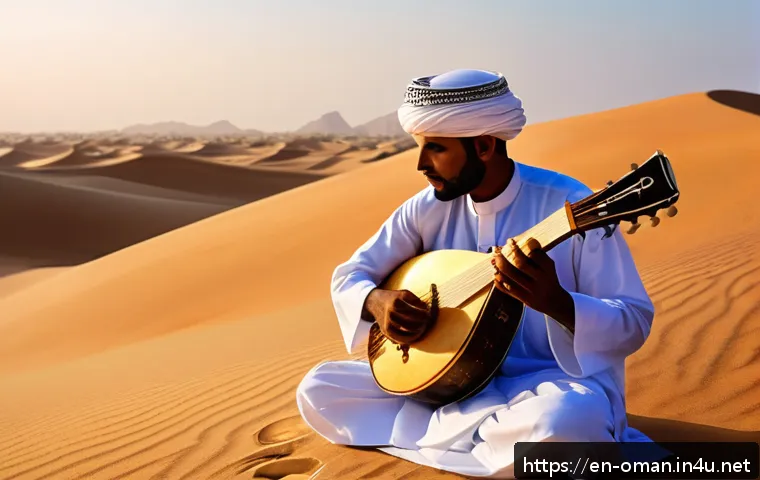
The oud is often the first instrument that comes to mind when thinking about Omani traditional music, and for good reason. This pear-shaped, fretless string instrument produces a warm, resonant sound that seems to carry the whispers of ancient tales.
What fascinates me about the oud is how its melodies can evoke deep emotions, from joyous celebrations to moments of quiet reflection. Playing the oud is no easy feat—it requires a delicate touch and years of practice to master the intricate fingerwork.
Many local musicians I’ve met spoke passionately about how the oud connects them to their ancestors and the desert landscapes of Oman, making every note a journey through time.
The Rabab: Oman’s Rustic Bowed Companion
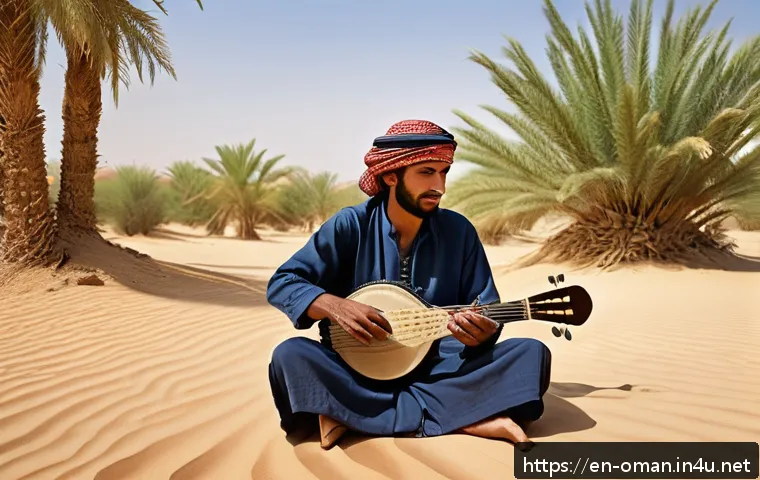
Distinct from the oud, the rabab is a bowed string instrument that adds a raw, earthy tone to Omani music. It’s crafted from wood and animal skin, which gives it a unique timbre that feels both humble and haunting.
What struck me most when hearing the rabab live was its ability to mimic the sounds of nature—wind rustling through palm trees or the distant call of birds.
Traditionally, the rabab has been a favorite among Bedouin tribes, who used it to accompany poetic storytelling. Watching a skilled rabab player in action is mesmerizing; the bow strokes and finger placements tell stories without uttering a single word.
The Qanun: The Intricate Harp of Oman
The qanun is a zither-like instrument that might surprise many with its complex construction and bright, harp-like sound. I remember attending a cultural event where the qanun’s cascading notes added a magical layer to the performance.
The instrument is played by plucking strings with finger picks, producing rapid, shimmering runs that bring an energetic vibrancy to Omani ensembles. Its presence enriches the musical texture, often weaving in and out of the main melody to create a lush sonic tapestry.
The qanun’s versatility allows it to fit seamlessly into both festive occasions and more solemn gatherings, highlighting Oman’s diverse musical expressions.
Rhythms That Echo Through Time
The Tabla and Its Pulsating Beats
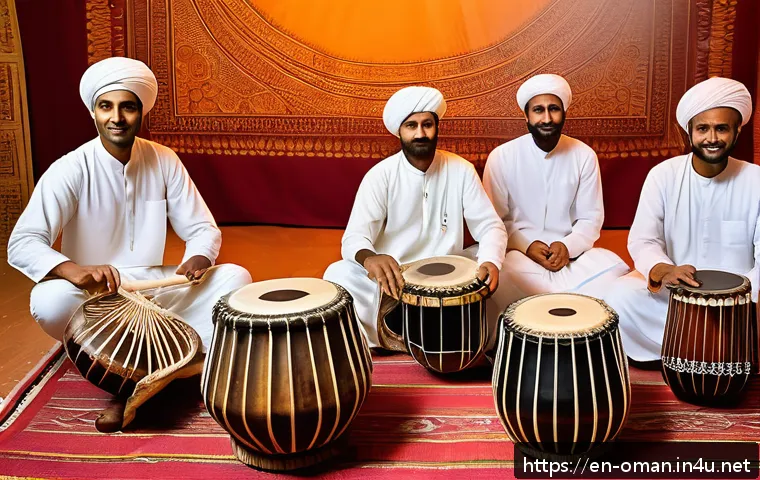
The tabla, a pair of hand drums, forms the rhythmic backbone of many traditional Omani songs. Its compelling beats are impossible to ignore—they can energize a dance or provide a steady pulse for a soulful ballad.
One memorable experience I had was at a wedding where the tabla players expertly shifted tempos, guiding the crowd’s emotions from excitement to calm introspection.
The variety of rhythms is vast, each pattern carrying a distinct meaning or mood. Learning about these rhythms gave me a new appreciation for how deeply rhythm shapes the storytelling in Omani music.
The Daf: The Frame Drum’s Vibrant Pulse
The daf is a large frame drum that adds a festive, vibrant energy to Omani music. What I found interesting is how this drum’s sharp, resonant sound cuts through other instruments, often signaling the start of a performance or marking transitions in the music.
The daf is not just an instrument but a communal tool—its rhythmic patterns invite listeners to clap, dance, and celebrate together. At cultural festivals, watching the daf players coordinate their beats with singers and dancers is a thrilling display of unity and tradition.
How Percussion Shapes the Musical Landscape
Percussion instruments like the tabla and daf do more than keep time; they breathe life into the music. From my observations, their rhythms communicate emotions as powerfully as any lyrics could, guiding the mood and energy of the performance.
These drums also serve as a bridge between musicians and audiences, creating an immersive experience that pulls everyone into the musical story.
Voices and Chants: The Human Element in Omani Music
The Role of Vocal Traditions
Omani music isn’t just about instruments—it’s also deeply rooted in vocal expression. Traditional singing styles often include poetic chants and ululations that complement the instrumental sounds.
I’ve noticed that these vocal elements carry spiritual and cultural significance, often narrating historical events, love stories, or religious themes.
What makes Omani vocal traditions so captivating is the emotional rawness and the skillful use of ornamentation, which can evoke tears or joyous laughter from listeners.
Call-and-Response Singing
A common feature in many Omani musical gatherings is call-and-response singing, where a lead singer’s phrase is echoed or answered by a chorus. This interactive style creates a dynamic atmosphere that feels inclusive and alive.
I’ve been part of such gatherings, and the energy is infectious—everyone becomes a participant rather than just a spectator. This technique also strengthens communal bonds and keeps oral traditions vibrant across generations.
Spiritual Songs and Their Impact
Some Omani songs are deeply spiritual, often performed during religious ceremonies or important life events. These songs are characterized by their solemn melodies and powerful lyrics, which aim to inspire reflection and connection to the divine.
Experiencing these spiritual performances firsthand was moving, as the music seemed to transcend the physical space and touch something universal within the human spirit.
The Craftsmanship Behind Each Instrument
Materials and Traditional Techniques
What amazes me about Omani musical instruments is the craftsmanship involved in their creation. Most are handmade using locally sourced materials like palm wood, animal skins, and natural fibers.
The artisans employ techniques passed down through generations, ensuring each instrument is not only functional but also a work of art. Visiting a workshop where these instruments are made revealed the patience and precision required—every curve, string, and decoration is thoughtfully executed to produce the perfect sound.
Preserving Heritage Through Craft
These instruments are more than tools; they are tangible links to Omani history and culture. The craftsmen I spoke with emphasized their role as guardians of tradition, striving to keep ancient methods alive despite modern manufacturing pressures.
Supporting these artisans means preserving a cultural identity that’s at risk of fading, which makes owning or hearing one of these instruments feel especially meaningful.
Modern Innovations and Challenges
While traditional methods dominate, some makers are experimenting with new materials and designs to enhance durability and sound quality. However, this comes with challenges—balancing innovation with authenticity is delicate.
From what I gathered, the community values tradition but is open to gradual change, especially if it helps attract younger generations to Omani music.
A Closer Look at Omani Instruments
| Instrument | Type | Sound Characteristics | Typical Use | Materials |
|---|---|---|---|---|
| Oud | String (plucked) | Warm, deep, resonant | Melodic lead in ensembles | Wood, animal gut strings |
| Rabab | String (bowed) | Earthy, rustic, haunting | Accompaniment to storytelling | Wood, animal skin |
| Qanun | String (plucked) | Bright, harp-like, shimmering | Melodic and harmonic texture | Wood, metal strings |
| Tabla | Percussion (hand drums) | Sharp, rhythmic, versatile | Rhythmic foundation | Wood, animal skin |
| Daf | Percussion (frame drum) | Resonant, vibrant, festive | Rhythmic accents and transitions | Wood, animal skin |
The Living Tradition: Music in Omani Daily Life
Music as a Social Glue
In Oman, music is not confined to formal concerts or festivals—it thrives in everyday settings. Whether it’s a family gathering, a market celebration, or a fishing village’s evening, music binds people together.
From my experience, these moments are some of the most authentic expressions of Omani culture, where music becomes a shared language of joy, sorrow, and hope.
Passing Down the Legacy
Elders often take the role of mentors, teaching younger generations to play instruments or sing traditional songs. I’ve witnessed workshops and informal sessions where children eagerly learn from their grandparents, illustrating a heartfelt commitment to keep the tradition alive.
This intergenerational exchange enriches the music and ensures its relevance in a rapidly changing world.
Music’s Role in Celebrations and Rituals
Omani music is inseparable from celebrations like weddings, religious festivals, and national holidays. These occasions see an outpouring of musical expression, from elaborate performances to spontaneous singing and dancing.
The vibrancy and communal participation make these events unforgettable, reinforcing a collective identity rooted in sound and rhythm.
The Global Echoes of Omani Sound
Omani Music on the World Stage
Recently, Omani music has started gaining international attention, with artists touring abroad and collaborations crossing borders. I had the chance to attend a world music festival where Omani musicians captivated the audience with their authentic yet fresh performances.
This global exposure not only highlights Oman’s cultural wealth but also sparks curiosity among listeners unfamiliar with its traditions.
Fusion and Innovation
Some contemporary Omani musicians blend traditional sounds with modern genres like jazz, electronic, and pop. This fusion creates exciting new musical landscapes while respecting the roots.
Personally, I find these experiments thrilling—they show how tradition can evolve without losing its essence, attracting younger audiences and expanding the music’s reach.
Challenges and Opportunities Ahead
Despite growing interest, Omani traditional music faces challenges such as limited resources, digital piracy, and the need for more formal education programs.
Yet, the passion of musicians and cultural advocates gives hope. With continued support and innovation, Omani music can thrive both at home and internationally, preserving its soul while embracing the future.
Closing Thoughts
Omani music is a rich tapestry woven from timeless instruments, heartfelt vocals, and vibrant rhythms. Experiencing its soulful melodies reveals a culture deeply connected to heritage and community. Whether through traditional performances or modern innovations, Omani music continues to inspire and unite people across generations and borders.
Useful Information to Know
1. The oud is central to Omani music, known for its warm, resonant tones that convey deep emotion.
2. Percussion instruments like the tabla and daf are crucial for setting rhythm and energizing gatherings.
3. Vocal traditions, including call-and-response singing, play an essential role in storytelling and communal bonding.
4. Craftsmanship of instruments relies on traditional materials and techniques, preserving cultural heritage.
5. Contemporary Omani musicians blend traditional sounds with modern genres, expanding the music’s global reach.
Key Takeaways
Omani music thrives on the interplay of its unique instruments, rhythmic vitality, and expressive vocals, all deeply rooted in tradition yet open to innovation. Its enduring presence in daily life and special celebrations strengthens community ties and cultural identity. Supporting both artisans and musicians is vital for preserving this musical legacy while embracing new creative horizons.
Frequently Asked Questions (FAQ) 📖
Q: What are the most iconic traditional musical instruments in Oman?
A: Oman’s traditional music prominently features instruments like the oud, a pear-shaped string instrument known for its deep, warm tones, and the qanun, a type of zither that adds a shimmering layer to the melodies.
Additionally, percussion instruments such as the darbuka and the daff provide the rhythmic heartbeat essential to Omani music. These instruments have been cherished for centuries and continue to define the unique soundscape of Oman’s cultural heritage.
Q: How does Omani traditional music reflect the country’s cultural identity?
A: Omani music is much more than just entertainment; it’s a living archive of the nation’s history, values, and social life. The melodies and rhythms often tell stories of the sea, desert, and daily life, connecting listeners to the land and their ancestors.
When you listen closely, you’ll notice how the music embodies the spirit of hospitality, resilience, and community that Omanis hold dear. It’s this deep connection that makes the music timeless and emotionally powerful.
Q: Where can I experience authentic Omani traditional music today?
A: Authentic Omani traditional music can be enjoyed at cultural festivals, local weddings, and special events throughout Oman, especially in cities like Muscat and Nizwa.
Many venues also host live performances showcasing traditional instruments and songs. For those outside Oman, online platforms and dedicated world music festivals often feature Omani artists, offering a wonderful way to experience these soulful sounds from anywhere in the world.
From my own experience, attending a live Omani music performance is truly unforgettable, as the atmosphere brings the heritage to life in a vibrant, heartfelt way.