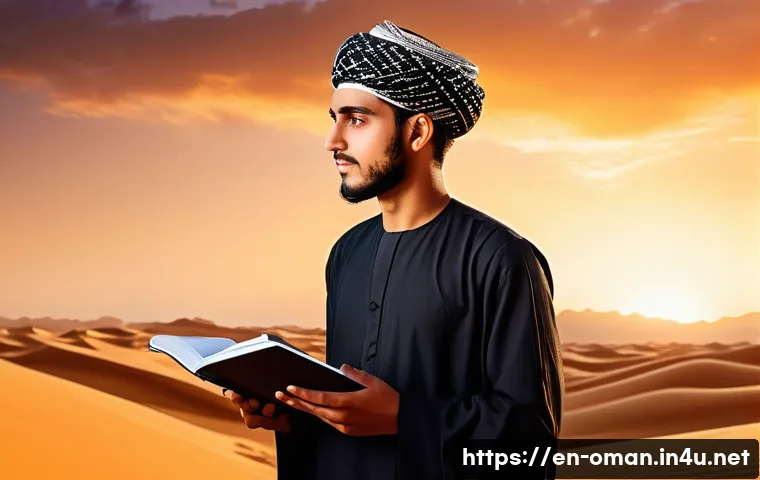
Oman’s literary scene is a vibrant tapestry woven with rich traditions and contemporary voices. The country boasts poets and writers who skillfully blend heritage with modern themes, capturing the essence of Omani culture and identity.
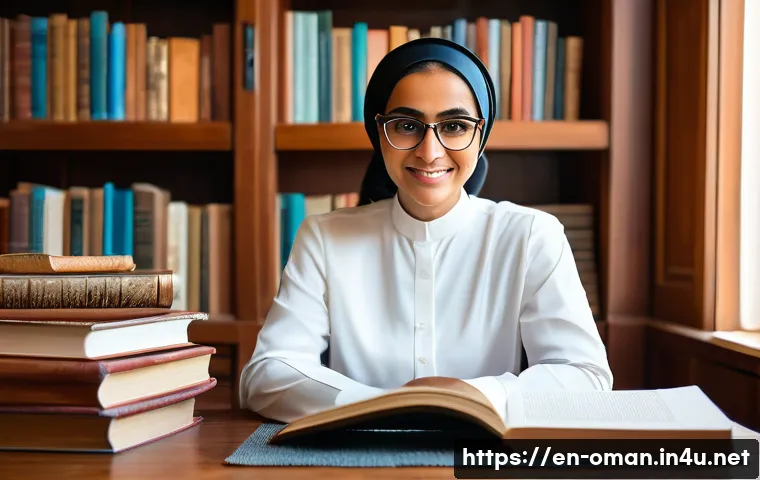
From heartfelt poetry reflecting desert landscapes to novels exploring social change, these artists offer a unique window into life in the Arabian Peninsula.
Their works not only preserve Oman’s history but also inspire new generations to express themselves creatively. Let’s dive deeper to uncover the stories behind Oman’s most celebrated poets and authors.
We’ll explore their journeys and the impact they’ve made—stay tuned for a fascinating read!
The Modern Voices Shaping Oman’s Literary Identity
Emerging Poets Bridging Tradition and Innovation
Oman’s younger generation of poets has been making waves by reinterpreting age-old themes through a fresh, contemporary lens. These voices often mix classical Arabic poetic forms with colloquial expressions, reflecting the dynamic cultural shifts in Omani society.
What I find fascinating is how these poets manage to keep the soul of desert life alive, yet simultaneously address issues like urbanization, youth identity, and global interconnectedness.
For example, some of their verses vividly portray the stark beauty of Oman’s vast deserts while weaving in modern existential questions, giving readers an intimate look at the evolving Omani psyche.
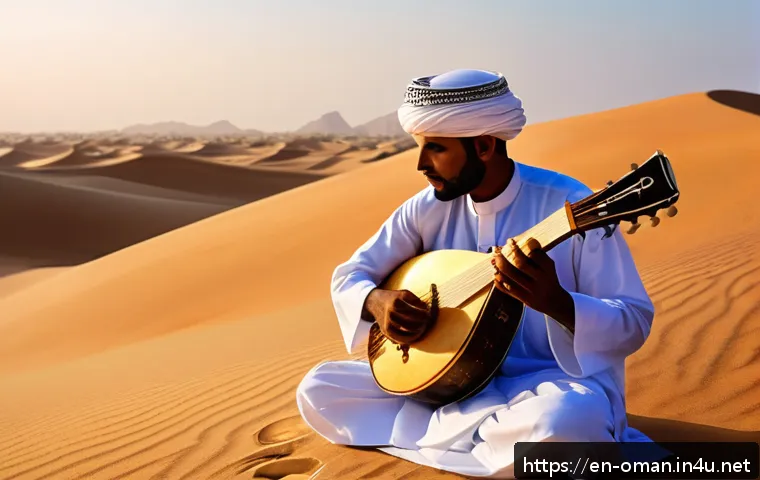
Listening to their work, you can almost feel the contrast between the quiet, ancient sands and the buzz of today’s digital world. This fusion creates a literary rhythm that feels both rooted and refreshingly new.
Notable Contemporary Novelists Exploring Social Realities
Omani novelists have increasingly turned their attention to social themes that resonate deeply with their audiences. Many of these writers focus on the rapid modernization Oman has experienced, exploring how tradition and progress collide in everyday life.
Their narratives often center on family dynamics, gender roles, and the tension between preserving cultural heritage and embracing change. Reading these novels, I was struck by the nuanced portrayal of characters who navigate these conflicts with resilience and complexity.
Unlike simplistic portrayals, these stories offer rich psychological insight and challenge stereotypes about life in the Arabian Peninsula. It’s clear that these authors are not only chronicling Oman’s transformation but also inviting readers to question and reflect on their own place within this shifting landscape.
How Oral Traditions Influence Written Literature
The Enduring Power of Storytelling
Storytelling is deeply embedded in Omani culture, where oral traditions have been passed down through generations. This heritage profoundly shapes the written works of many authors who draw inspiration from folk tales, legends, and historical accounts.
What stands out to me is how these stories aren’t just retold but reimagined, blending myth with reality to create a vivid literary tapestry. The rhythms and cadences of oral poetry, for instance, often find their way into written verse, giving it a musicality that feels alive.
When attending literary events or listening to readings, you can sense how these oral roots create a communal experience, bridging the gap between past and present.
Preserving Identity Through Language
Language plays a crucial role in maintaining Oman’s cultural identity, especially through the use of local dialects and classical Arabic. Writers often balance these linguistic elements to honor tradition while making their work accessible to broader audiences.
From what I’ve observed, this linguistic interplay enriches the texture of their writing, adding layers of meaning and emotional depth. It also underscores a commitment to cultural preservation amid globalization pressures.
The choice of language becomes a political and artistic act, asserting Omani uniqueness in the literary world.
The Role of Women in Omani Literature
Breaking Barriers and Challenging Norms
Women writers in Oman are gaining recognition for their bold exploration of themes often considered taboo, such as gender inequality, personal freedom, and social expectations.
Their courage to speak openly about these issues is reshaping the literary landscape. I recall reading interviews where female authors described the challenges of balancing societal pressures with their creative ambitions.
This struggle is reflected in their narratives, which often feature strong, complex female protagonists challenging traditional roles. The honesty and vulnerability in their stories resonate deeply with readers, sparking conversations that extend beyond literature into social awareness.
Creating Spaces for Female Expression
The rise of female literary festivals, workshops, and online platforms in Oman has provided crucial support for women writers. These venues foster community, mentorship, and visibility, which are essential for nurturing talent and encouraging diverse voices.
From personal experience attending one such event, I noticed the palpable energy and solidarity among participants, which seemed to fuel even more creative output.
This growing infrastructure not only empowers individual authors but also enriches Oman’s cultural fabric by broadening the scope of stories told.
Literary Festivals and Their Impact on Cultural Exchange
Platforms for Dialogue and Inspiration
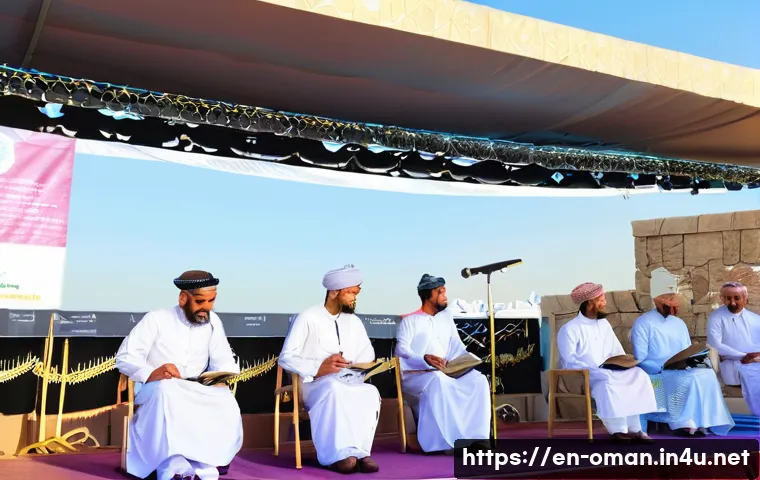
Oman’s literary festivals have become vital hubs for cultural exchange, bringing together writers, poets, and readers from around the world. These events showcase Omani literature alongside international voices, fostering dialogue and mutual understanding.
I’ve attended a few of these festivals and was impressed by the diverse programming—from panel discussions and readings to workshops and book fairs—that create a vibrant atmosphere for creativity.
Such interactions often lead to collaborations and cross-cultural influences that enrich Omani literature further.
Boosting Literary Tourism and Economy
Beyond cultural benefits, these festivals also have a tangible economic impact, attracting visitors and promoting Omani arts globally. Local businesses, from cafes to bookstores, thrive during these events, and the increased visibility helps authors gain wider readerships.
This synergy between culture and commerce highlights how literature can contribute to sustainable development. For aspiring writers, the exposure and networking opportunities at these festivals can be game-changing.
The Intersection of Heritage and Digital Innovation
Harnessing Technology to Preserve Stories
Digital platforms have opened new frontiers for Omani writers to share their work, preserve oral histories, and reach global audiences. Websites, podcasts, and social media channels serve as archives and creative outlets, democratizing access to literature.
I’ve found that many Omani authors actively engage with their readers online, creating a sense of community that transcends physical borders. This digital shift not only preserves cultural heritage but also inspires innovation in storytelling techniques, blending multimedia elements with traditional narratives.
Challenges and Opportunities in the Digital Age
While the digital landscape offers many advantages, it also poses challenges such as information overload and maintaining authenticity. Omani writers must navigate these complexities to ensure their voices are heard without compromising cultural integrity.
From my observations, those who successfully combine digital savvy with deep cultural knowledge tend to stand out. This balance is crucial for sustaining literary relevance in a rapidly changing world.
| Category | Key Contributors | Main Themes | Impact |
|---|---|---|---|
| Emerging Poets | Young Omani voices blending classical and modern styles | Desert life, identity, modernization | Revitalizing poetic tradition, connecting generations |
| Contemporary Novelists | Writers focusing on social issues and change | Family, gender roles, cultural preservation | Deepening societal reflection, challenging stereotypes |
| Women Writers | Female authors addressing gender and freedom | Equality, social norms, personal expression | Empowering women, expanding literary themes |
| Literary Festivals | Organizers and participants from Oman and abroad | Cultural exchange, inspiration, networking | Global visibility, economic boost, community building |
| Digital Innovators | Authors using online platforms and multimedia | Heritage preservation, new storytelling forms | Broadened audience reach, modernized literature |
The Influence of Regional and Global Literary Movements
Connecting Omani Literature to the Arab World
Omani writers do not exist in isolation; their works often dialogue with broader Arab literary trends. Themes such as post-colonial identity, resistance, and modernity are common threads that link Oman with neighboring countries.
I’ve noticed that many Omani authors participate in pan-Arab literary forums, exchanging ideas that enrich their own narratives. This interconnectedness amplifies Oman’s voice within the larger Arab literary canon and fosters a shared cultural heritage.
Global Inspirations and Local Adaptations
At the same time, global literary influences—from Western modernism to postmodern experimentation—have found fertile ground in Oman. Writers selectively incorporate these techniques, adapting them to local contexts and sensibilities.
The result is a hybrid literary style that feels authentic yet cosmopolitan. From reading interviews and essays by these authors, it’s clear they consciously balance global trends with a deep commitment to Omani cultural roots, crafting stories that resonate both locally and internationally.
Educational Initiatives Nurturing Literary Talent
University Programs and Workshops
Higher education institutions in Oman have started offering specialized courses and workshops aimed at developing literary skills. These programs provide aspiring writers with critical tools, mentorship, and exposure to diverse literary traditions.
From what students have shared with me, these academic environments foster creativity and critical thinking, encouraging experimentation and dialogue.
This institutional support is vital for cultivating the next generation of Omani authors who can innovate while honoring tradition.
Community Reading and Writing Groups
Beyond formal education, grassroots reading and writing circles play a key role in nurturing literary culture. These informal gatherings create safe spaces for sharing work, receiving feedback, and fostering camaraderie.
I’ve been fortunate to attend some of these groups, where the enthusiasm and diversity of participants are truly inspiring. They act as incubators for fresh talent and contribute to a vibrant literary ecosystem at the community level.
The Lasting Legacy of Oman’s Literary Pioneers
Foundations Laid by Early Writers and Poets
The groundwork laid by Oman’s early literary figures continues to influence contemporary writers profoundly. These pioneers established themes, styles, and cultural narratives that remain touchstones today.
Their dedication to preserving oral histories, documenting social realities, and experimenting with form created a rich literary foundation. When I explore their works, I’m struck by the timelessness and relevance that still resonate across generations.
Inspiration for Future Generations
The legacy of these trailblazers acts as a beacon for young Omani writers, inspiring them to explore their own voices while respecting tradition. This intergenerational dialogue is crucial for the ongoing vitality of Omani literature.
It’s heartening to see how new authors pay homage to their predecessors while forging new paths, ensuring that Oman’s literary scene remains a living, evolving tapestry.
In Conclusion
Oman’s literary landscape is a vibrant blend of tradition and modernity, shaped by diverse voices that reflect the nation’s evolving identity. From emerging poets to pioneering novelists and digital innovators, each contributor adds depth and richness to this cultural tapestry. The ongoing dialogue between heritage and innovation ensures that Omani literature remains both rooted and relevant. As these stories continue to unfold, they invite readers worldwide to engage with Oman’s unique narrative journey.
Useful Information to Keep in Mind
1. Omani literature thrives on blending classical Arabic forms with contemporary themes, offering fresh perspectives on cultural identity and social change.
2. Women writers in Oman are breaking new ground by addressing sensitive topics and fostering greater gender awareness through their storytelling.
3. Literary festivals in Oman serve as important platforms for cultural exchange, boosting both artistic collaboration and economic growth.
4. Digital technologies are playing a crucial role in preserving oral traditions and expanding the reach of Omani literature globally.
5. Educational programs and community groups are essential in nurturing emerging literary talent and sustaining Oman’s vibrant storytelling culture.
Key Takeaways
The modern Omani literary scene is defined by a dynamic interplay between time-honored traditions and contemporary innovation. Emerging poets and novelists are reshaping narratives to reflect societal shifts while preserving cultural roots. Women writers are creating powerful spaces for expression, challenging norms, and enriching literary themes. Literary festivals and digital platforms amplify Omani voices on the global stage, fostering cultural dialogue and economic vitality. Finally, ongoing educational efforts ensure that this evolving literary heritage continues to inspire future generations.
Frequently Asked Questions (FAQ) 📖
Q: Who are some of the most influential poets and writers in Oman’s literary scene?
A: Oman has a rich roster of literary figures, but a few names stand out for their impact and popularity. Poets like Saif Al-Rahbi and Jawad Al-Bulushi are celebrated for their evocative verses that beautifully capture Omani landscapes and heritage.
On the prose side, writers such as Jokha Alharthi, who won the International Booker Prize, have brought Omani narratives to a global audience with novels that explore social change and identity.
These authors have paved the way for a flourishing literary culture that balances tradition with modernity.
Q: How does Omani literature reflect the country’s culture and history?
A: Omani literature is deeply intertwined with the country’s cultural roots and historical experiences. Poets often draw inspiration from the desert, the sea, and Bedouin traditions, weaving imagery that evokes the natural beauty and resilience of Oman.
Meanwhile, contemporary writers delve into themes like social transformation, family dynamics, and the evolving role of women, offering fresh perspectives on Omani identity.
Reading their works provides a vivid understanding of how Oman’s past shapes its present and future.
Q: What role does contemporary Omani literature play in inspiring younger generations?
A: Contemporary Omani literature plays a crucial role in encouraging young people to explore their creativity and express their voices. Many emerging writers and poets look up to established figures who have successfully blended heritage with modern storytelling.
Schools and cultural institutions have also begun to promote Omani literature more actively, creating platforms for youth to engage with their literary heritage.
Personally, I’ve noticed that this growing literary movement sparks pride and a sense of belonging among Oman’s younger generation, motivating them to contribute to the country’s evolving cultural narrative.