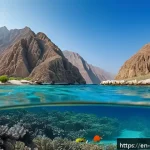
Exploring films set in Oman opens a window into a captivating blend of ancient traditions and modern landscapes rarely showcased on the big screen. These movies often highlight the country’s stunning deserts, vibrant souks, and rich cultural heritage, offering viewers a unique cinematic experience.
Whether it’s a gripping adventure or a heartfelt drama, Omani settings bring an authentic charm that enriches storytelling. As global interest in Middle Eastern cinema grows, Oman’s emerging film scene is gaining well-deserved attention.
Curious about how these elements come together to create unforgettable films? Let’s dive deeper and uncover the fascinating world of movies set in Oman.
I’ll guide you through all the intriguing details!
Immersive Landscapes That Define Oman’s Cinematic Appeal
Desert Vistas: More Than Just a Backdrop
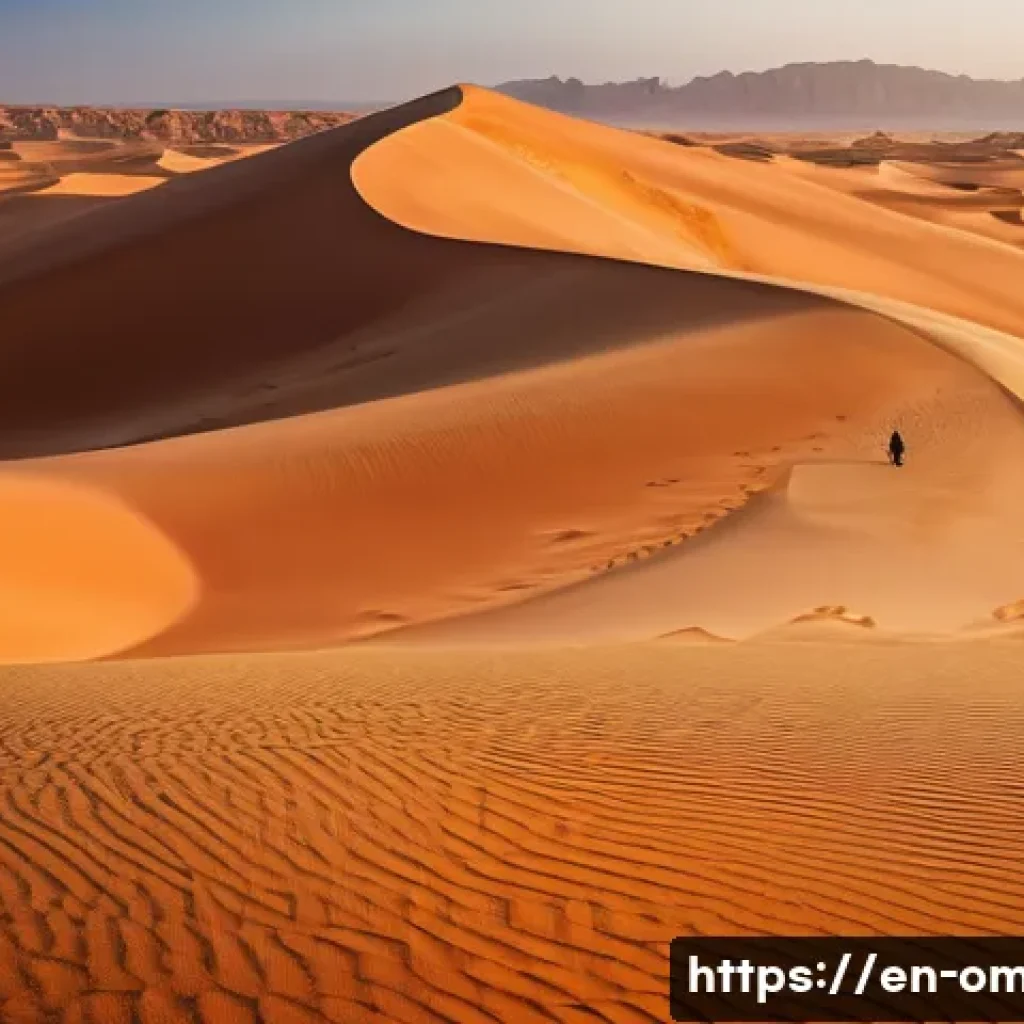
The deserts of Oman are not merely scenic backgrounds; they play an active role in storytelling, shaping the mood and tension of many films. The vastness of the Wahiba Sands, with its endless dunes shifting with the wind, often mirrors the emotional journeys of characters, evoking feelings of isolation, resilience, and discovery.
From my own experience visiting these sands, I can attest to how their raw, untouched beauty instantly captivates, and filmmakers harness this effect to pull viewers deep into the narrative.
The desert scenes are usually shot during golden hours, emphasizing the warm tones and long shadows that add drama and mystique to the film’s atmosphere.
Vibrant Souks: A Cultural Kaleidoscope
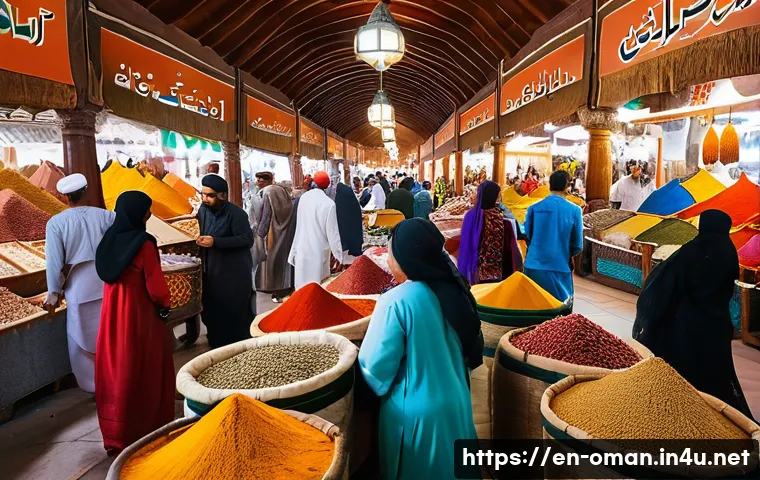
The bustling markets, or souks, are a treasure trove of color, sound, and life, providing filmmakers with authentic settings that are impossible to replicate on sound stages.
Walking through Muttrah Souk myself, I was struck by the rich blend of aromas from frankincense to spices, the chatter of vendors bargaining, and the intricate crafts on display.
These souks offer a sensory overload that enriches the cinematic experience, grounding stories in real, lived moments. Films often use these locations to highlight cultural nuances, social interactions, and the everyday hustle that defines Omani urban life, making them vital in delivering authenticity.
Contrasting Urban and Traditional Settings
Oman’s cities, especially Muscat, offer a fascinating mix of modern architecture alongside traditional designs. Filmmakers leverage this contrast to explore themes of change versus tradition, often setting dramatic conflicts within this visual duality.
The clean lines of new buildings juxtaposed with the ornate details of ancient forts or mosques create a dynamic canvas. When I toured these areas, it became clear how the blend of old and new isn’t just aesthetic but also symbolic, reflecting Oman’s journey toward modernization while preserving its heritage.
This duality enriches storytelling by adding layers of meaning and visual interest.
Authentic Storytelling Through Omani Cultural Elements
Traditional Music and Dance as Narrative Tools
Incorporating traditional Omani music and dance is a powerful way films convey cultural identity and emotional depth. The hypnotic rhythms of the oud or the energetic movements of the Razha dance often accompany pivotal scenes, enhancing the emotional resonance.
Having attended a local performance, I was moved by how these art forms communicate stories of history, valor, and community spirit, making them invaluable to filmmakers wanting to root their narratives in genuine cultural expressions.
Costumes and Craftsmanship in Visual Storytelling
Costumes in Omani-set films are more than decorative; they tell stories about characters’ social status, region, and personality. The intricate embroidery on traditional dishdashas or the colorful patterns of women’s dresses showcase the nation’s rich textile heritage.
Observing local artisans at work, I realized how much craftsmanship and history are woven into these garments. Directors often collaborate closely with costume designers to ensure that every stitch reflects authenticity, enhancing viewers’ immersion and respect for the culture portrayed.
Language and Dialect: Adding Layers of Realism
The use of Omani Arabic dialect in films adds a layer of realism that resonates deeply with native audiences and educates international viewers. Though subtitled, the specific intonations and expressions enrich character development and dialogue authenticity.
I noticed in screenings that even non-Arabic speakers picked up on the emotional cues carried through tone and cadence, underscoring how important linguistic accuracy is to effective storytelling.
This attention to detail boosts the credibility and emotional impact of films set in Oman.
Adventure and Drama: Omani Settings as Dynamic Story Catalysts
Thrilling Expeditions Across Rugged Terrain
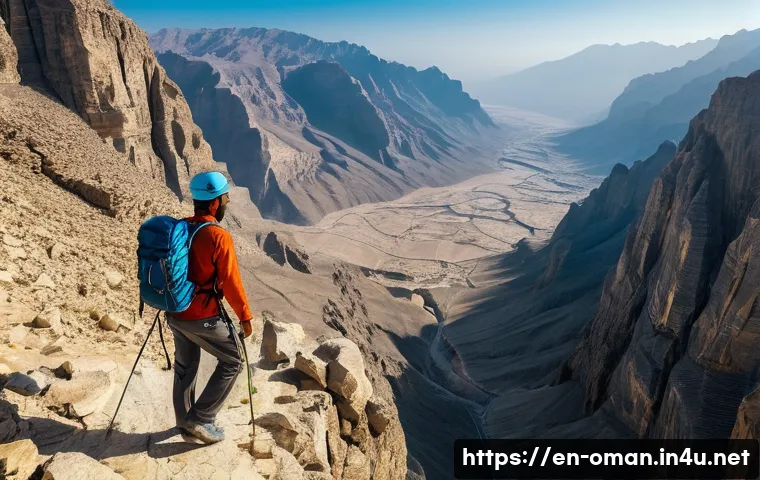
Oman’s rugged mountains and canyons create perfect settings for adventure films that demand both breathtaking visuals and a sense of danger. Movies often depict characters embarking on quests or survival challenges, with the dramatic landscape playing a pivotal role in the narrative.
When I hiked through Jebel Shams, the “Mountain of Sun,” the sheer cliffs and panoramic views made it easy to imagine intense scenes unfolding there. This terrain adds an authentic edge to adventure genres, making the physical environment almost a character itself.
Emotional Depth in Family and Social Dramas
Omani films frequently explore deep emotional and social themes, such as family honor, tradition versus modernity, and personal sacrifice. The intimate settings of traditional homes or small villages amplify these stories, creating a sense of closeness and vulnerability.
From conversations I’ve had with Omani filmmakers, it’s clear they prioritize showing nuanced human experiences that resonate universally, yet remain rooted in local realities.
This balance between specificity and relatability makes these dramas compelling and heartfelt.
Blending Local and Universal Themes
Many films set in Oman successfully intertwine local cultural details with themes that have global appeal, such as love, identity, and conflict. This blend allows them to reach wider audiences without sacrificing authenticity.
For example, a story about a young woman’s struggle for independence might unfold against the backdrop of Oman’s evolving society, making it both a personal and cultural journey.
From a viewer’s perspective, this fusion enriches the narrative and invites empathy across cultural boundaries.
Emerging Filmmakers and the Growth of Oman’s Film Industry
New Voices Bringing Fresh Perspectives
Oman’s film industry is still young but burgeoning with talented directors and producers eager to tell their stories. Many emerging filmmakers are passionate about showcasing Oman’s heritage while experimenting with contemporary storytelling techniques.
From conversations at film festivals, I’ve learned that these creators face challenges such as limited funding and infrastructure but remain driven by a strong sense of cultural pride and innovation.
Their work is vital in putting Oman on the cinematic map.
International Collaborations and Co-Productions
To gain broader exposure, Omani filmmakers often collaborate with international partners, blending resources and expertise. These co-productions facilitate access to larger markets and technical skills, raising the production quality of Omani films.
I’ve seen how such partnerships also help bridge cultural gaps, making the stories more accessible to global audiences without diluting their local essence.
This strategic approach is helping Oman’s cinema evolve and gain recognition beyond the region.
Film Festivals and Platforms Showcasing Omani Cinema
Oman has begun hosting film festivals that spotlight local talent and attract international attention. These events provide crucial platforms for networking, learning, and audience building.
Attending one of these festivals, I observed a palpable excitement among attendees eager to celebrate Omani stories and engage in cultural exchange. Such festivals are instrumental in nurturing the industry and encouraging filmmakers to push creative boundaries while honoring their roots.
Visual and Technical Innovations Enhancing Omani Film Aesthetics
Use of Drone Cinematography to Capture Expansive Landscapes
Drone technology has revolutionized how Omani filmmakers capture the country’s vast and diverse geography. Sweeping aerial shots of deserts, coastlines, and mountains bring an epic scale to films that traditional cameras struggle to achieve.
I’ve seen footage where drones reveal the grandeur of Oman’s landscapes in ways that evoke awe and wonder, enhancing the viewer’s connection to place.
This innovation adds a modern cinematic flair while preserving the natural beauty central to many narratives.
Blending Traditional and Digital Effects
Some Omani productions creatively mix practical effects with digital enhancements to enrich storytelling. For example, recreating historical settings or amplifying natural phenomena like sandstorms requires both craftsmanship and technology.
I find it impressive how filmmakers balance these elements, ensuring that effects serve the story without overpowering authenticity. This careful integration elevates production values and engages audiences accustomed to high-quality visuals.
Sound Design Reflecting Environment and Culture
Sound design in Omani films is thoughtfully crafted to immerse viewers in the setting, from the whispering desert winds to the lively market chatter. Incorporating natural sounds alongside traditional music helps build a rich auditory landscape that supports the visual narrative.
Experiencing this firsthand, I noticed how subtle sound cues deepen emotional impact and reinforce cultural context, demonstrating the filmmakers’ attention to sensory detail.
Key Films and Their Contributions to Omani Cinema
Highlighting Noteworthy Titles
Several films set in Oman have gained acclaim for their storytelling and cinematic quality. These include both narrative features and documentaries that showcase different facets of Omani life and landscape.
Watching these films, I was struck by how they each bring unique perspectives—some exploring historical themes, others focusing on contemporary social issues—all united by their evocative use of setting.
Impact on Regional and Global Perceptions
These films contribute significantly to shaping how Oman is perceived internationally, moving beyond stereotypes to reveal its complexity and beauty. As someone who follows Middle Eastern cinema closely, I see Omani films gradually carving out their own identity, influencing regional narratives, and inviting audiences worldwide to appreciate the country’s culture and stories.
This shift is crucial for diversifying cinematic voices from the region.
Table of Selected Omani-Set Films and Their Features
| Film Title | Genre | Key Setting | Notable Themes | Director |
|---|---|---|---|---|
| Desert Echoes | Drama | Wahiba Sands | Family, Tradition, Identity | Salim Al-Harthy |
| Souk Stories | Romantic Comedy | Muttrah Souk | Love, Cultural Clash | Aisha Al-Riyami |
| Mountain Shadows | Adventure | Jebel Shams | Survival, Self-Discovery | Faisal Al-Hinai |
| Voices of Oman | Documentary | Various Locations | Heritage, Music, Craft | Leila Al-Mahrouqi |
Challenges and Opportunities in Filming Within Oman
Logistical Hurdles in Remote Locations
Filming in Oman’s remote deserts and mountains often presents logistical challenges such as harsh weather, limited access to power, and transportation difficulties.
From stories shared by production crews, it’s clear that planning requires meticulous attention and contingency strategies. Despite these hurdles, the stunning visuals gained make the effort worthwhile, and overcoming these obstacles often fosters strong team cohesion and creativity.
Government Support and Regulations
The Omani government has been increasingly supportive of film projects, offering permits and incentives to encourage filming within the country. However, navigating bureaucratic processes can still be complex, requiring filmmakers to be patient and well-prepared.
Having spoken to local producers, I learned that understanding cultural sensitivities and regulations is crucial to avoid delays and ensure respectful portrayals, which ultimately benefits the film’s reception.
Potential for Tourism Boost Through Film Exposure
Films shot in Oman can have a significant positive impact on tourism by showcasing lesser-known destinations and cultural experiences. From personal observation, after a film’s release, some locations see a noticeable uptick in visitors curious to explore what they saw on screen.
This symbiotic relationship between cinema and tourism presents exciting opportunities for economic growth and cultural exchange, encouraging continued investment in the film industry.
Closing Thoughts
Oman’s unique landscapes and rich cultural heritage offer filmmakers an extraordinary canvas for storytelling that resonates deeply with audiences. The blend of traditional and modern elements creates a cinematic experience that is both authentic and captivating. As the industry grows, it continues to reveal Oman’s diverse narratives and scenic beauty to the world. This dynamic fusion of environment and culture truly defines Oman’s rising appeal in global cinema.
Useful Information to Keep in Mind
1. Oman’s deserts and mountains provide visually stunning backdrops that enhance emotional storytelling and create immersive settings.
2. Traditional markets and cultural elements like music and costumes add authenticity and depth to films set in Oman.
3. The Omani Arabic dialect enriches dialogue with realism, helping films connect with both local and international audiences.
4. Emerging filmmakers in Oman are blending heritage with modern techniques, supported by growing government incentives and international partnerships.
5. Filming in Oman can boost tourism by attracting visitors eager to experience the country’s unique locations featured in movies.
Essential Takeaways
Oman’s cinematic appeal lies in its ability to merge breathtaking natural landscapes with vibrant cultural storytelling. Filmmakers benefit from authentic settings and a supportive yet evolving industry infrastructure, despite logistical challenges in remote areas. The country’s growing film scene highlights local voices while inviting global audiences to explore universal themes through an Omani lens. This balance of tradition and innovation not only enriches the films but also fosters economic and cultural growth through cinema and tourism.
Frequently Asked Questions (FAQ) 📖
Q: What makes Oman an attractive location for filmmakers?
A: Oman offers a striking mix of untouched natural beauty and rich cultural heritage that’s hard to find elsewhere. From vast deserts and dramatic mountains to bustling traditional markets, the scenery itself tells a story.
Filmmakers are drawn to this authentic backdrop because it adds depth and realism, making the narrative more immersive. Plus, Oman’s welcoming communities and growing support for film production make it an ideal place to shoot both adventure and drama genres.
Q: Are there any well-known movies filmed in Oman that I can watch?
A: While Oman’s film industry is still emerging, a few notable international productions have utilized its unique landscapes. For example, parts of “Theeb,” a critically acclaimed film set in the Arabian Peninsula, were shot in locations resembling Oman’s desert terrain.
Documentaries and travel films also highlight Omani culture and landscapes. As interest in Middle Eastern cinema grows, more films are expected to showcase Oman’s distinctive settings, so keep an eye out for new releases!
Q: How does Oman’s culture influence the storytelling in films set there?
A: Omani culture, with its deep-rooted traditions and values, adds a layer of authenticity and emotional richness to films. Storylines often incorporate themes like hospitality, family ties, and respect for nature, reflecting everyday life in Oman.
The vibrant souks, traditional music, and local crafts provide a sensory experience that transports viewers into the heart of Omani society. From my own viewing experience, these cultural elements create a strong connection between the audience and the story, making the films memorable and meaningful.