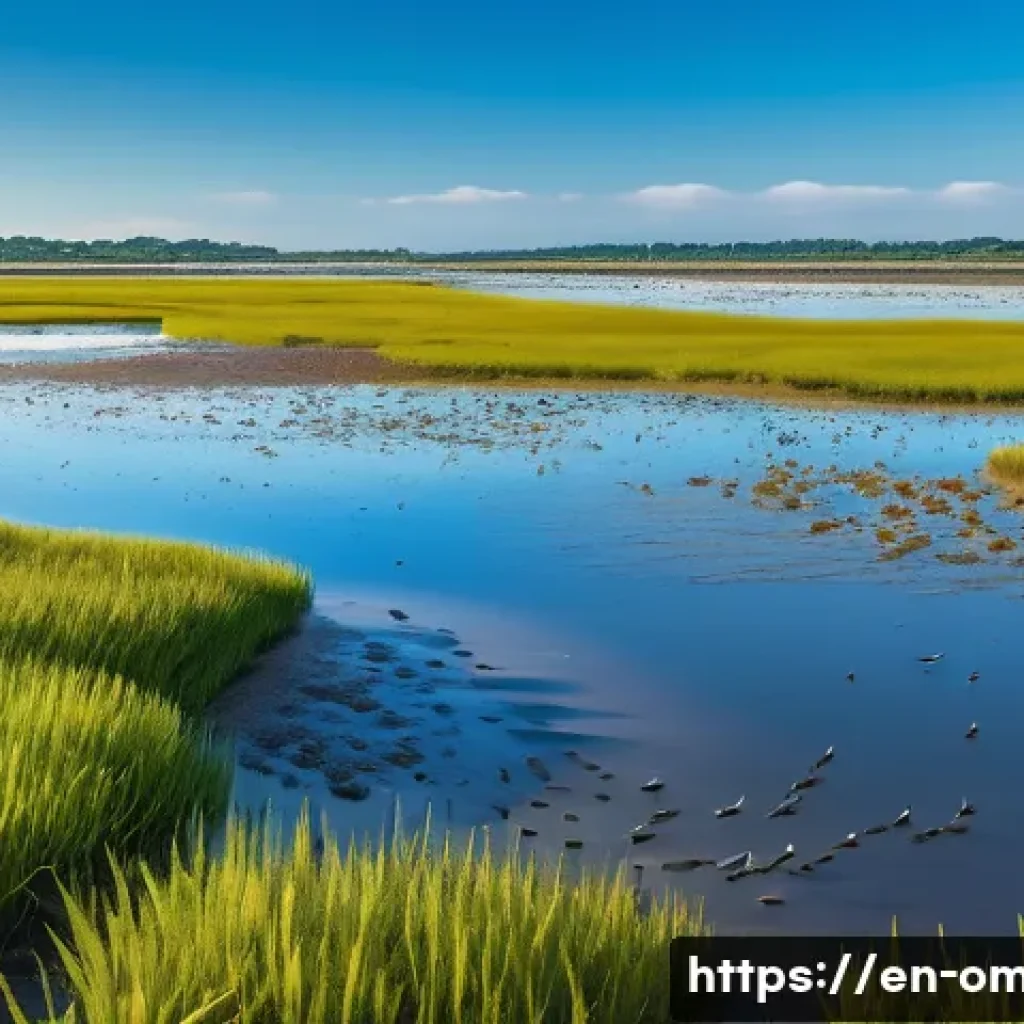
Oman is home to one of the most remarkable wetlands in the Arabian Peninsula, a vibrant ecosystem that supports a surprising diversity of wildlife and plant species.
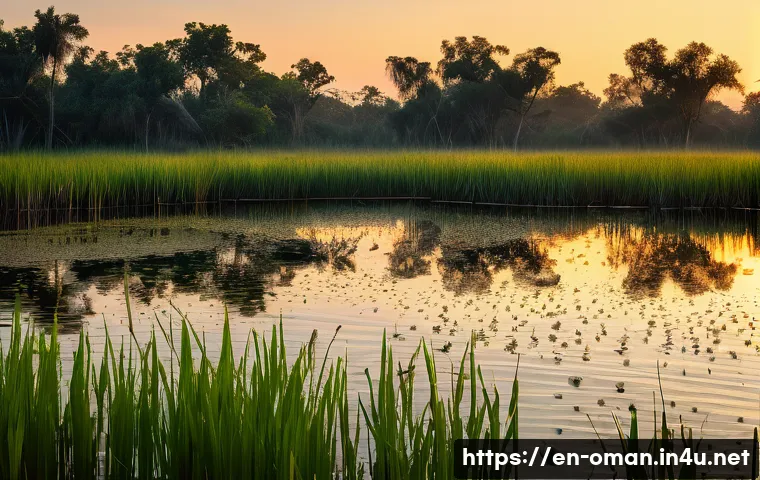
This vast wetland not only plays a crucial role in maintaining the region’s ecological balance but also offers a unique glimpse into nature’s resilience in an otherwise arid landscape.
Visitors and researchers alike are drawn to its serene beauty and the chance to witness migratory birds and rare aquatic life. Experiencing this natural wonder firsthand reveals just how vital it is for biodiversity and local communities.
If you’re curious to explore what makes this wetland so special, let’s dive deeper and uncover the details together!
The Diverse Habitats Within the Wetland
Salt Marshes and Mudflats
The wetland is a mosaic of salt marshes and mudflats that stretch over vast areas. These zones are crucial as they act like natural filters, trapping sediments and pollutants before they reach the open sea.
What’s fascinating is how these areas change with the tides—sometimes exposed, sometimes submerged—creating a dynamic environment for a variety of species.
I’ve noticed that during low tide, the mudflats come alive with the activity of tiny crabs and worms, which in turn attract shorebirds looking for a meal.
The salt marsh plants, often overlooked, play a key role in stabilizing the shoreline and providing shelter for juvenile fish and invertebrates. Their ability to thrive in salty, waterlogged conditions always amazes me.
Freshwater Ponds and Lagoons
Hidden among the saltier parts are patches of freshwater ponds and lagoons fed by underground springs or seasonal rains. These freshwater pockets serve as vital breeding grounds for amphibians and freshwater fish species that wouldn’t survive in saline waters.
When I visited during the spring, I was lucky enough to see frog tadpoles and hear their calls at dusk, which gave a real sense of life thriving in an otherwise harsh environment.
These areas also attract migratory birds stopping over to rest and refuel during their long journeys. The contrast between salty marshes and these freshwater habitats highlights the wetland’s incredible ecological complexity.
Vegetation Zones and Their Role
The wetland’s vegetation is anything but uniform; it shifts from dense reed beds to scattered mangrove clusters depending on the water salinity and soil type.
Reeds form thick stands that provide nesting sites for many bird species, including some that are quite rare in the region. Mangroves, on the other hand, act as natural barriers protecting the inland areas from storm surges and erosion.
I remember walking through the mangrove thickets and being struck by their intricate root systems, which create underwater nurseries for fish and crustaceans.
This diversity in plant life not only supports a wide array of wildlife but also helps maintain the water quality by absorbing excess nutrients.
Birdwatching: A Paradise for Ornithologists
Migratory Bird Hotspots
The wetland is a critical stopover point for migratory birds traveling between Asia, Africa, and Europe. Species such as flamingos, herons, and various types of sandpipers flock here in impressive numbers.
Observing these birds during migration season is nothing short of spectacular. I’ve spent hours with binoculars, marveling at the colorful plumage of flamingos as they feed in shallow waters.
The sheer volume and variety of species make it a hotspot for birdwatchers and researchers alike. It’s fascinating how these birds rely on this oasis amid the desert to rest and feed before continuing their arduous journeys.
Endemic and Rare Species
Beyond the migratory visitors, the wetland supports several bird species that are either endemic or rarely seen elsewhere in the Arabian Peninsula. Birds like the Arabian partridge and the Socotra cormorant find refuge here, benefiting from the protected environment.
During one of my trips, a local guide pointed out a rare nesting site for a species I had never heard of before, highlighting how the wetland serves as a sanctuary in a rapidly changing world.
Protecting these species is essential, as their presence indicates the health of the ecosystem.
Bird Behavior and Adaptations
What truly captivated me was watching how different bird species adapt their behavior to the wetland’s fluctuating conditions. Some shorebirds time their feeding to the tide cycles, while others use the reeds for camouflage during nesting season.
I noticed how certain birds engage in elaborate courtship displays right on the mudflats, using vocal calls and wing movements to attract mates. These behaviors are not just fascinating to witness but also essential for the survival and continuation of their species.
The wetland’s variety of habitats allows these birds to exploit different niches, reducing competition and promoting biodiversity.
Unique Aquatic Life and Their Ecosystem Roles
Fish Species Diversity
The wetland’s waters harbor an unexpected variety of fish species adapted to both brackish and freshwater conditions. From small gobies to larger mullets, these fish form the backbone of the aquatic food web.
On one occasion, I joined a local fisherman who showed me how certain fish species migrate between the wetland and the adjacent sea, highlighting the connectivity of these ecosystems.
The fish not only support bird populations but are also important for local fisheries, providing livelihoods for nearby communities.
Crustaceans and Mollusks
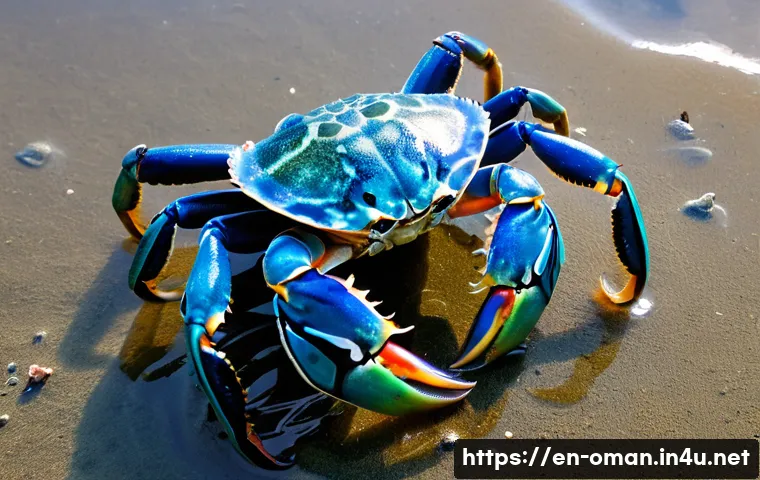
Crabs, shrimp, and mollusks are abundant in the wetland, playing crucial roles in nutrient cycling and sediment turnover. Their burrowing activities aerate the soil and help maintain water quality, which benefits plant growth.
I found it fascinating how some species have adapted to survive the extreme temperature changes and salinity fluctuations typical of this environment.
Collecting shells along the shore, I noticed a wide variety of shapes and sizes, reflecting the wetland’s rich biodiversity.
Amphibians and Reptiles
Though often overlooked, amphibians and reptiles are vital components of the wetland ecosystem. Frogs and toads rely on the freshwater ponds for breeding, while turtles and water snakes use the marshy areas for feeding and shelter.
On a twilight walk, I spotted a turtle slowly making its way through the reeds, a rare and memorable sight. These creatures contribute to controlling insect populations and serve as prey for larger predators, maintaining the ecological balance.
Ecological Importance and Conservation Efforts
Natural Flood Control and Water Purification
One of the less obvious but critically important roles of the wetland is in natural flood control and water purification. By absorbing excess rainwater and slowly releasing it, the wetland prevents sudden floods in surrounding areas.
Additionally, the vegetation acts as a natural filter, trapping pollutants and improving water quality before it reaches the sea. I’ve seen firsthand how during rare heavy rains, the wetland’s capacity to manage water flow protects nearby villages from damage.
This ecosystem service is invaluable, especially in a region where water scarcity and flash floods are major concerns.
Threats from Human Activity
Despite its importance, the wetland faces threats from urban expansion, pollution, and unsustainable resource use. Construction near the wetland and increased tourism pressure can disrupt habitats and disturb wildlife.
I’ve spoken with local conservationists who shared their worries about illegal fishing and waste disposal impacting the fragile balance. These human activities, if left unchecked, could degrade the ecosystem services the wetland provides and reduce biodiversity.
Ongoing Conservation Initiatives
Fortunately, there are active conservation programs aimed at protecting and restoring the wetland. Efforts include habitat restoration, pollution control, and community education to promote sustainable use.
I visited a conservation center where local volunteers monitor bird populations and engage with visitors to raise awareness. These initiatives not only safeguard wildlife but also empower local communities by involving them in stewardship.
The collaboration between government agencies, NGOs, and residents is a hopeful sign for the wetland’s future.
Local Communities and Their Connection to the Wetland
Traditional Livelihoods
The wetland has long supported local communities through fishing, reed harvesting, and small-scale agriculture. These traditional livelihoods are closely tied to the health of the ecosystem.
I had the chance to talk with fishermen who described how their knowledge of seasonal patterns and species behavior guides sustainable harvesting. Their stories reveal a deep respect for the wetland’s resources, passed down through generations.
Maintaining these practices is essential not only for cultural heritage but also for ecological balance.
Eco-tourism and Economic Opportunities
Recently, eco-tourism has emerged as a promising way to generate income while promoting conservation. Guided birdwatching tours, boat trips, and nature photography workshops attract visitors seeking authentic experiences.
During one tour I joined, the guide emphasized minimizing environmental impact while educating us about the wetland’s significance. This approach benefits local economies by creating jobs and encouraging investment in infrastructure that respects nature.
It’s exciting to see how tourism can be a force for good when managed responsibly.
Challenges and Future Prospects
Balancing development and conservation remains a challenge for communities living around the wetland. There is ongoing debate about infrastructure projects and their potential impact on the ecosystem.
I’ve observed that open dialogue among stakeholders, including local residents, scientists, and policymakers, is crucial for finding sustainable solutions.
Looking ahead, integrating traditional knowledge with modern conservation techniques offers the best chance for preserving this natural treasure. The future depends on collective commitment to protect the wetland for generations to come.
Species Spotlight: Key Wildlife Residents
Flamingos: The Iconic Visitors
Flamingos are undoubtedly the wetland’s most eye-catching inhabitants. Their striking pink feathers and elegant posture make them a favorite among visitors.
Watching them feed by stirring up mud with their beaks is a mesmerizing sight I’ll never forget. These birds depend on the wetland’s shallow waters rich in algae and small crustaceans for food.
Their presence also serves as an indicator of the wetland’s health, as flamingos are sensitive to environmental changes.
Arabian Oryx and Other Mammals
Though primarily known for its birdlife, the wetland area is also home to mammals like the Arabian oryx and various small rodents. The oryx, a symbol of Arabian wildlife conservation success, occasionally grazes in the surrounding desert plains near the wetland.
I once caught a glimpse of one at dawn, a rare and thrilling moment. These mammals contribute to seed dispersal and help maintain the ecological balance between the wetland and desert ecosystems.
Fish and Crustacean Species Table
| Species | Habitat | Role in Ecosystem | Notable Features |
|---|---|---|---|
| Mullet | Brackish water | Food source for birds and humans | Known for seasonal migrations |
| Blue Swimming Crab | Salt marsh and mudflats | Detritus recycler, aerates soil | Important commercially |
| Freshwater Goby | Freshwater ponds | Prey for fish and birds | Adapted to varying salinity |
| Green Mussel | Intertidal zones | Filters water, improves quality | Forms dense colonies |
| Marsh Frog | Freshwater ponds | Controls insect populations | Breeds in wetland pools |
In Conclusion
The wetland is a vibrant and complex ecosystem that supports a remarkable variety of life forms. Its diverse habitats offer critical shelter and resources for birds, fish, and other wildlife, while also providing essential ecological services to surrounding communities. Experiencing this environment firsthand reveals the delicate balance that sustains both nature and people. Protecting such a unique place is vital for preserving biodiversity and ensuring future generations can appreciate its wonders.
Useful Information to Keep in Mind
1. Wetlands act as natural water filters, improving water quality by trapping sediments and pollutants before they reach larger bodies of water.
2. The dynamic tidal zones support specialized plants and animals adapted to changing conditions, making wetlands hotspots for biodiversity.
3. Migratory birds depend heavily on wetlands as resting and feeding stops along their long journeys across continents.
4. Local communities benefit from wetlands through traditional livelihoods and eco-tourism, which can promote sustainable economic growth.
5. Conservation efforts involving habitat restoration and community engagement are crucial to safeguarding wetlands against increasing human pressures.
Key Takeaways
Wetlands are indispensable ecosystems providing habitat diversity, flood control, and water purification. Their rich biodiversity, especially in bird species and aquatic life, reflects the health of the environment. Human activities pose significant threats, but ongoing conservation initiatives and responsible eco-tourism offer promising paths forward. Integrating local knowledge with scientific approaches is essential to maintain the wetland’s ecological integrity and support the communities that depend on it.
Frequently Asked Questions (FAQ) 📖
Q: What makes Oman’s wetland ecosystem unique compared to other wetlands in the
A: rabian Peninsula? A1: Oman’s wetland stands out because it thrives in an otherwise arid environment, creating a rare oasis that supports a surprisingly diverse range of wildlife and plant species.
Unlike many dry areas in the Arabian Peninsula, this wetland maintains a delicate ecological balance, offering habitat for migratory birds, rare aquatic creatures, and native plants that have adapted to survive in this unique setting.
Experiencing it in person really highlights nature’s resilience and the critical role such ecosystems play in biodiversity conservation.
Q: When is the best time to visit Oman’s wetlands to see migratory birds and wildlife?
A: The optimal time to visit is during the cooler months, typically from November to March. During this period, migratory birds from colder regions arrive in large numbers, making it a birdwatcher’s paradise.
I’ve found that early mornings or late afternoons provide the best opportunities for spotting various species while enjoying the calm, serene atmosphere.
Visiting during these months also means more comfortable weather, enhancing the overall experience.
Q: How do Oman’s wetlands benefit local communities and the environment?
A: Oman’s wetlands serve as a natural water filter and help regulate the local climate, which is vital in an arid region. For nearby communities, these wetlands support fishing, agriculture, and even eco-tourism, providing sustainable livelihoods.
From personal experience, I’ve seen how locals value this ecosystem not just for its natural beauty but also as a crucial resource that supports their day-to-day life and cultural heritage.
Protecting these wetlands means preserving both biodiversity and the well-being of the people who depend on them.