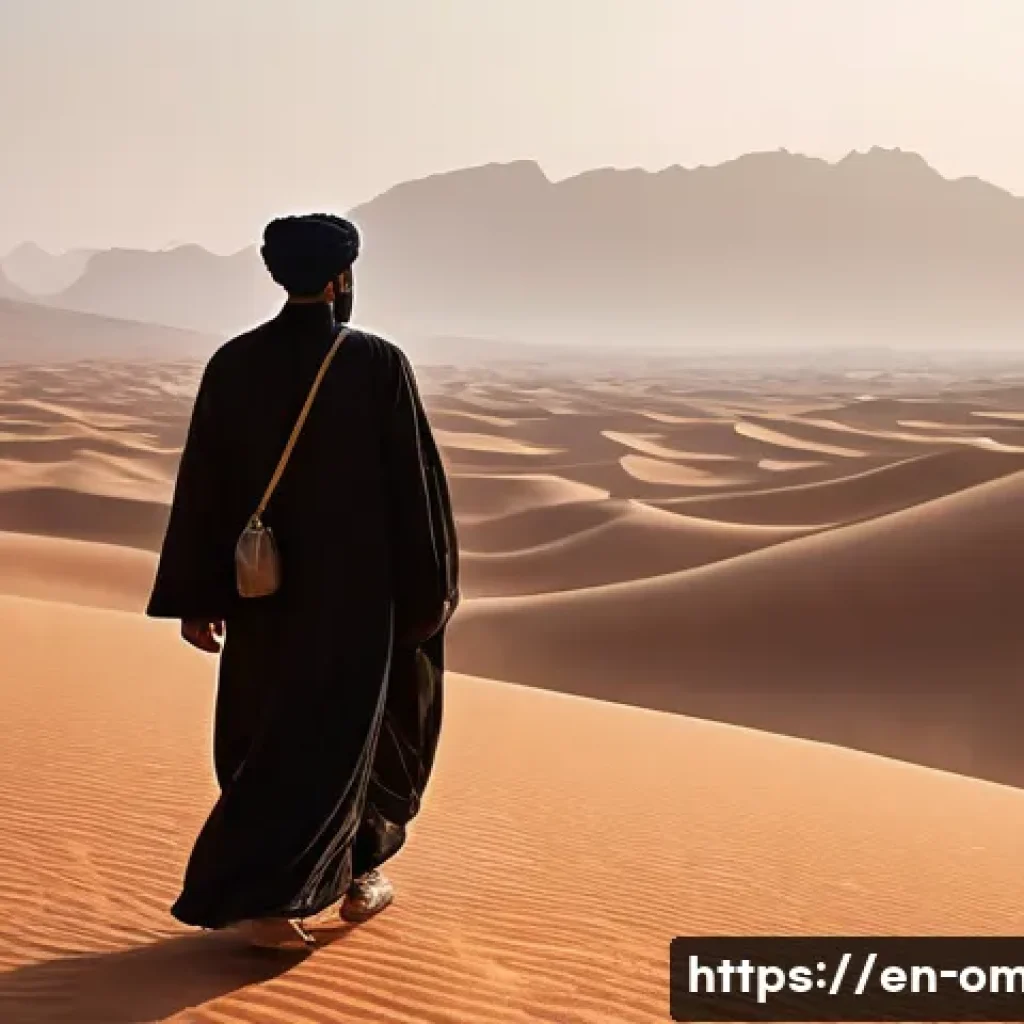
Hey story lovers! You know, there’s just something undeniably enchanting about delving into ancient folk tales, isn’t there? I’ve always been completely fascinated by how stories can transport us to different worlds, connect us with past generations, and even reveal profound truths about humanity.

Lately, I’ve been truly captivated by the vibrant and often mystical folklore of Oman. From the bustling souqs of Muscat to the serene desert landscapes, Omani culture is absolutely brimming with incredible narratives that have been passed down through centuries, each one a treasure trove of wisdom, wonder, and sometimes, a delightful touch of mischief.
I’ve found that these tales offer such a unique window into the heart and soul of this incredible nation, unlike anything you might typically encounter.
Trust me, these aren’t just children’s bedtime stories; they’re rich tapestries woven with history, moral lessons, and unforgettable characters that resonate deeply.
Let’s embark on this journey to uncover the magic of Omani folk tales together!
The Ethereal Guardians: Oman’s Mystical Jinns and Spirits
You know, one of the first things that truly captivated me when I started diving into Omani folklore was the pervasive presence of Jinns. These aren’t just characters in a dusty old book; in Oman, Jinns feel incredibly real, woven into the very fabric of daily life and ancient beliefs.
It’s fascinating how people talk about them, not with fear necessarily, but with a respectful awareness, like acknowledging a neighbor you might not always see but know is there.
I’ve heard so many stories, often whispered over a cup of Kahwa, about encounters in deserted wadis or even bustling marketplaces after dark. These aren’t always malicious beings; sometimes they’re benevolent, guiding lost travelers, or mischievous, playing harmless tricks.
What I’ve found so compelling is how these tales really reflect a deep connection to the land and its unseen forces. It’s a reminder that there’s so much more to the world than meets the eye, and perhaps, a nudge to be mindful of our surroundings and actions.
The sheer diversity of Jinn stories, from the powerful Marid to the more common Ghul, truly showcases the depth of Omani imagination and spiritual understanding.
This particular aspect of the folklore has personally made me look at shadows differently, in the most wonderfully enchanting way!
Whispers in the Wind: Types of Jinns and Their Manifestations
The world of Jinns in Oman is far from monolithic; it’s a vibrant tapestry of different types, each with their own characteristics and preferred haunts.
I’ve learned about the ‘Qareen,’ a Jinn companion said to be assigned to every person from birth, sometimes whispering thoughts or influencing decisions – a truly personal connection to the unseen!
Then there are the ‘Afrit,’ often depicted as more powerful and cunning, sometimes associated with specific locations like ancient ruins or deep wells.
I’ve even heard tales of ‘Si’lat,’ a shape-shifting female Jinn known to lure travelers astray in the desert. What’s truly intriguing is how these manifestations often tie into Omani geography.
A Si’lat story might unfold in the vast Empty Quarter, while an Afrit might guard the treasures of a forgotten fort. It really paints a picture of a land where every natural feature, every ancient structure, could hold a secret or be home to a hidden entity.
Living with the Unseen: Respect and Rituals
For many Omanis, living alongside the unseen isn’t about fear; it’s about respect and understanding. I’ve seen firsthand how certain rituals and traditions are observed to maintain harmony with these spiritual entities.
For instance, you might hear a local politely ask permission before entering a desolate area, or pour a little water on the ground before eating to share with the unseen.
These aren’t superstitions in the Western sense; they’re acts of deference, a way of acknowledging that humans share this world with other beings. It’s a beautiful demonstration of how ancient beliefs can continue to inform contemporary life, creating a unique cultural landscape where the mystical is always just beneath the surface.
I really appreciate how these practices encourage a deeper connection to the environment and a more humble approach to our place within it.
Echoes from the Deep: Oman’s Enchanting Maritime Legends
Oh, if walls could talk, imagine the stories the Omani coastline would tell! As someone who’s always been drawn to the sea, delving into Oman’s maritime folklore has been an absolute treat.
This nation, with its rich history of seafaring, trade, and exploration, naturally has a treasure trove of tales born from the unpredictable, beautiful, and sometimes terrifying ocean.
I’ve spent hours imagining ancient dhows sailing across treacherous waters, guided by stars and protected by unseen forces. These aren’t just sailor’s yarns; they’re profound narratives reflecting the hopes, fears, and triumphs of a people deeply connected to the Arabian Sea and the Indian Ocean.
From mythical creatures lurking in the depths to legendary captains whose courage knew no bounds, these stories truly bring the vibrant maritime past of Oman to life.
It’s a stark reminder of how integral the sea has been to the Omani identity, shaping not just their economy but their very soul.
Guardians of the Waves: Sea Creatures and Protectors
The Omani sea, in folklore, is not just a body of water; it’s a living, breathing entity teeming with mythical inhabitants. I’ve stumbled upon incredible tales of ‘Bahr,’ a powerful sea spirit, often depicted as a benevolent guardian who might lead lost fishermen to safety or warn them of impending storms.
Then there are the more fearsome ‘Sayyad al-Bahr’ or ‘Sea Hunters,’ often depicted as monstrous beings that prey on unsuspecting sailors, their stories serving as cautionary tales against greed or recklessness.
I’ve found it fascinating how these creatures often embody the dual nature of the sea itself – a source of life and prosperity, but also a realm of immense danger.
These legends really highlight the respect and awe that Omani sailors have always held for the ocean, understanding its power and seeking to appease its mysteries.
Voyages of Valor: Legendary Sailors and Their Feats
Beyond the mythical creatures, Omani folklore is brimming with stories of legendary human sailors whose courage and skill became the stuff of legend. While not strictly “folk tales” in the sense of mythical beings, the stories of figures like Ahmad ibn Mājid, the famous Arab navigator, often take on a legendary quality.
His incredible knowledge of navigation, winds, and currents made him a hero whose feats are recounted with immense pride. I’ve personally felt a thrill hearing about the epic journeys of Omani dhows, navigating vast distances using only traditional instruments, battling storms, and discovering new lands.
These stories aren’t just about maritime prowess; they’re about resilience, ingenuity, and the unyielding spirit of adventure that defines Omani history.
They make you want to hoist a sail and feel the ocean breeze!
Desert Whispers: Enchanting Tales from the Sands
The desert, for me, has always held a special kind of magic, and in Oman, that magic is amplified by centuries of captivating folklore. The vast, silent sands, the scorching sun, and the cool, starlit nights have given birth to stories that are as ancient and enduring as the dunes themselves.
I’ve often wondered, while gazing at the endless horizon, what secrets these sands hold, and Omani folk tales offer a beautiful glimpse into that hidden world.
These aren’t just survival stories; they’re narratives steeped in spiritual wisdom, highlighting humanity’s place within the grandeur of nature, and often featuring unexpected encounters with desert spirits or benevolent figures.
It’s a profound connection to the land that you truly feel when you immerse yourself in these narratives, a sense of deep respect for an environment that is both harsh and incredibly beautiful.
The Silent Sentinels: Desert Spirits and Their Domain
Just as the sea has its guardians, the Omani desert is said to be home to its own array of spirits. I’ve heard tales of ‘Ghul,’ often depicted as desert-dwelling, shape-shifting creatures that lure travelers off course, sometimes preying on the weak.
These stories serve as chilling warnings to be cautious and respectful when venturing into the wilderness, emphasizing the desert’s inherent dangers. However, not all desert spirits are malevolent.
There are also stories of benevolent desert entities that might guide a lost traveler to an oasis or protect them from harm. What I find so compelling is how these stories often personify the desert itself, giving voice to its unpredictable nature and reminding us that we are merely visitors in its ancient domain.
It truly underscores the Omani people’s deep reverence for the powerful forces of nature.
Oases of Wisdom: Moral Lessons from the Dunes
Many Omani desert folk tales aren’t just thrilling adventures; they’re rich allegories packed with profound moral lessons. I’ve encountered stories about humility, generosity, and the importance of hospitality, all set against the backdrop of the unforgiving sands.
For instance, a tale might recount a greedy merchant getting lost and only finding salvation through an act of unexpected kindness, highlighting the values cherished in Omani culture.
These narratives often emphasize resourcefulness and community spirit, traits essential for survival in the desert. They’re like little literary oases themselves, offering refreshing insights into human nature and universal truths.
I personally find these wisdom tales incredibly resonant, reminding me that even in the most desolate landscapes, the human spirit can find beauty and meaning.
Threads of Virtue: Wisdom and Morality in Ancient Narratives
One of the most enduring aspects of Omani folk tales, something that truly resonates with me, is their unwavering commitment to imparting wisdom and moral guidance.
These aren’t just entertaining stories; they’re powerful vehicles for teaching values, shaping character, and reinforcing the social fabric of the community.
I’ve noticed how frequently themes of honesty, generosity, patience, and justice appear, woven intricately into the narrative arcs. It’s like listening to the elders speak, offering gentle yet firm reminders of what it means to live a good and honorable life.
In a world that often feels rushed and fleeting, these timeless tales offer a grounding perspective, connecting us to a lineage of ethical thought that has been passed down for generations.
They truly emphasize the enduring power of storytelling to educate and inspire.
The Power of Honesty: Tales of Truth and Deception
Within the vast collection of Omani folk tales, stories emphasizing the critical importance of honesty frequently surface. I’ve encountered numerous narratives where characters face dilemmas, and their ultimate fate hinges on whether they choose truth or deception.
Often, those who practice deceit face unfortunate consequences, while those who remain steadfast in their honesty are ultimately rewarded. These tales are more than just simple good-versus-evil plots; they explore the nuances of human nature and the societal impact of our choices.
It’s a brilliant way to instill integrity from a young age, demonstrating through engaging stories that truthfulness isn’t just a virtue, but often the most practical path to a fulfilling life.
I’ve found these narratives to be incredibly insightful, offering a timeless perspective on human behavior.
Generosity and Community: The Bedrock of Omani Society
Another recurring theme that profoundly struck me is the emphasis on generosity and the strong bonds of community. Omani folk tales often highlight acts of kindness, hospitality towards strangers, and the importance of helping those in need.
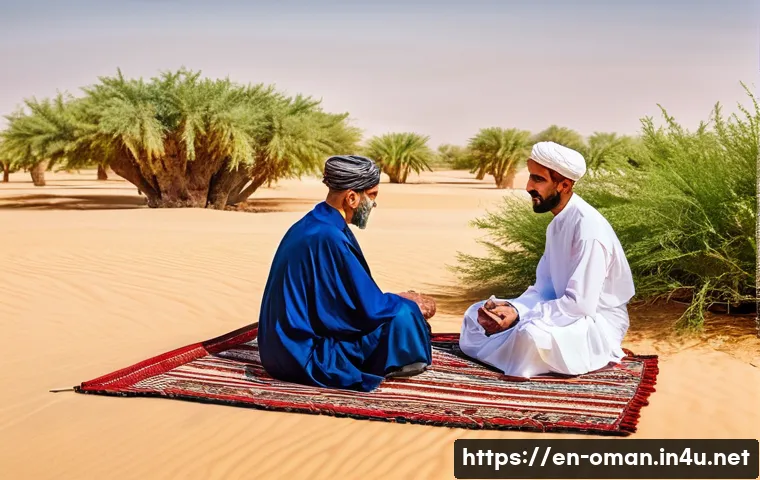
Whether it’s a poor traveler finding solace in a humble home or a community uniting to overcome a challenge, these stories underscore the collective spirit that is so vital in Omani culture.
I’ve seen how these tales reinforce the values of sharing and looking out for one another, especially in environments like the desert where mutual support is not just a virtue but a necessity for survival.
It’s a beautiful testament to the power of human connection and the belief that true wealth lies in one’s relationships and contributions to the community.
Legends of the Land: Legendary Heroes and Protectors
Every culture has its heroes, those larger-than-life figures whose deeds inspire and protect, and Omani folklore is no exception. I’ve been absolutely fascinated by the stories of legendary heroes and protectors who, through their courage, wisdom, or supernatural abilities, safeguard the land and its people.
These tales aren’t just entertaining; they’re deeply empowering, embodying the ideals of bravery, justice, and self-sacrifice. It’s like stepping into a historical epic, but one where the lines between history and myth beautifully blur.
You can almost feel the presence of these ancient guardians, their spirits still watching over the mountains and coasts of Oman. It really makes you appreciate the profound connection people have with their ancestral lands and the stories that keep those connections alive.
Noble Deeds: Ancient Kings and Righteous Rulers
Omani folklore often features benevolent kings and wise rulers whose reigns are remembered for their justice and prosperity. These stories frequently describe rulers who listen to their people, make fair judgments, and protect the weak.
They serve as ideal templates for leadership, emphasizing the responsibilities that come with power. I’ve found these narratives to be particularly insightful, as they reflect the cultural aspiration for good governance and societal harmony.
It’s a wonderful example of how stories can reinforce civic virtues and set benchmarks for ethical leadership, even in modern times. These tales truly highlight the Omani reverence for justice and strong, compassionate leadership.
Defenders Against Darkness: Mythical Guardians and Warriors
Beyond human rulers, Omani folk tales also speak of mythical guardians and valiant warriors who stand against forces of darkness or protect sacred sites.
These might be figures with extraordinary strength, magical powers, or cunning intellect. I’ve heard captivating accounts of warriors defending their villages from monstrous creatures or sagacious figures outwitting malevolent spirits.
These stories often carry a thrilling, adventurous quality, but beneath the excitement, they reinforce the idea that good will ultimately triumph over evil.
It’s incredibly inspiring to see how these narratives instill a sense of hope and resilience, reminding people that even in the face of daunting challenges, courage and righteousness can prevail.
The Magic Unveiled: Enchanting Creatures of Omani Lore
Stepping into the world of Omani folklore, one thing that absolutely blew me away was the incredible array of magical creatures beyond just the Jinns.
It’s like a hidden bestiary, brimming with fascinating beings that range from the utterly whimsical to the deeply mysterious. I’ve always been drawn to how different cultures imagine their fantastical beasts, and Oman’s collection offers such a unique glimpse into their natural world and spiritual beliefs.
These creatures aren’t just there for ornamentation; they often play significant roles in the tales, acting as mentors, adversaries, or symbols of deeper truths.
It truly expands your understanding of the Omani imagination, showing a rich tapestry of life, both seen and unseen, that enchants and educates. It makes you want to keep an eye out for something truly extraordinary when exploring the Omani landscape!
From the Depths to the Skies: Diverse Beings
The spectrum of mythical creatures in Omani lore is truly impressive, spanning land, sea, and even air. I’ve heard captivating accounts of enormous sea serpents, rumored to dwell in the deepest trenches off the Omani coast, their stories perhaps inspired by rare sightings of giant marine life.
Then there are the desert creatures, sometimes benevolent, sometimes terrifying, often taking on hybrid forms that defy easy classification. What I find particularly charming are the smaller, more elusive forest or mountain spirits, who might guard ancient trees or hidden springs.
Each creature seems perfectly adapted to its folkloric habitat, reflecting the diverse ecosystems of Oman itself. It’s a testament to the storytelling prowess of the Omani people, who have populated their world with such a vivid and varied cast of characters.
Symbolism in Scales and Wings: Deeper Meanings
Beyond their fantastical appearances, many of Oman’s magical creatures carry profound symbolic meanings within the folk tales. A benevolent sea creature might symbolize the ocean’s bounty and protective power, while a cunning desert beast could represent the dangers of greed or recklessness.
I’ve observed how these creatures often embody universal themes – the balance of nature, the consequences of human actions, or the hidden wisdom of the natural world.
They’re not just monsters or marvels; they’re metaphors, serving to teach lessons and transmit cultural values in an unforgettable way. It’s a sophisticated layer of storytelling that I truly appreciate, adding depth and resonance to every encounter with these enchanting beings.
| Creature Type | Common Habitat | Typical Role in Stories |
|---|---|---|
| Jinn (Afrit, Ghul, Qareen) | Deserts, ancient ruins, homes, wadis | Mischievous, benevolent, malevolent; often interact directly with humans. |
| Sea Spirits (Bahr, Sayyad al-Bahr) | Arabian Sea, coastal waters | Guardians, tempters, bringers of fortune or misfortune for sailors. |
| Desert Beasts (e.g., specific Ghul forms) | Vast sand dunes, remote oases | Cautionary figures, tests for travelers, embodiments of desert dangers. |
| Protector Figures (e.g., Legendary Warriors) | Historical settings, specific geographical landmarks | Defenders of justice, community heroes, symbols of courage and resilience. |
Timeless Lessons: Folklore’s Enduring Impact on Omani Life
You know, after spending so much time immersed in these incredible Omani folk tales, I’ve come to realize that their impact stretches far beyond mere entertainment.
These stories are living, breathing elements of Omani culture, subtly influencing daily life, social customs, and even the way people perceive the world around them.
It’s not just about what happened “once upon a time”; it’s about the continuous thread that connects the past to the present, ensuring that ancient wisdom remains relevant.
I’ve personally seen how these narratives contribute to a unique sense of identity and community, fostering values that are deeply cherished. It truly makes you understand the power of collective memory and the enduring legacy of storytelling in shaping a nation’s soul.
Shaping Identity: Folklore as a Cultural Mirror
Omani folk tales, I’ve observed, serve as a profound cultural mirror, reflecting the unique identity and heritage of the Omani people. They embody the values of hospitality, respect for elders, reverence for nature, and resilience in the face of adversity.
Through these stories, children learn not just about their ancestors, but about the very essence of what it means to be Omani. It’s a beautiful way to transmit cultural norms and expectations, fostering a strong sense of belonging and pride.
I’ve found that these narratives provide an invaluable window into the Omani psyche, offering insights that no textbook ever could. They truly are the heartbeat of a culture, keeping its traditions vibrant and alive for future generations.
Beyond Bedtime Stories: Practical Wisdom for Today
It’s tempting to think of folk tales as just bedtime stories, but in Oman, they offer surprisingly practical wisdom that resonates even in contemporary life.
The lessons embedded in these narratives – about perseverance, problem-solving, and community cooperation – are incredibly relevant today. Whether it’s a tale teaching resourcefulness in the desert or the importance of honesty in trade, these ancient narratives provide guidance that transcends time.
I’ve seen how these stories encourage critical thinking and empathy, allowing listeners to reflect on their own lives and make informed choices. It’s a wonderful example of how cultural heritage can continue to offer valuable lessons, proving that true wisdom is indeed timeless and universally applicable.
Closing Thoughts
As we wrap up this incredible journey through the heart of Omani folklore, I truly hope you’ve felt the magic and depth that these ancient tales bring to life. For me, exploring the jinns, the maritime legends, and the desert whispers has been far more than just learning stories; it’s been about connecting with the very soul of a nation. These narratives aren’t just relics of the past; they are vibrant threads woven into the fabric of Omani identity, reminding us of the enduring power of wisdom, courage, and community. It’s truly been an enchanting exploration, and I’m already looking forward to my next dive into the wonders this region holds.
Useful Information to Know
1. When you’re exploring Oman, remember that respect for local customs, often rooted in these ancient beliefs, goes a long way. A friendly ‘Salam Alaikum’ and an open heart will always enrich your experience.
2. Don’t be shy to ask locals about their own family stories or regional legends; you’ll find that personal narratives often bring these ancient tales to life in the most captivating ways.
3. Consider visiting places like Nizwa Fort or the ancient city of Bahla, both steeped in history and often linked to Jinn legends, for a truly immersive experience.
4. If you plan to venture into the desert or remote wadis, always go with an experienced local guide. They not only ensure your safety but can also share fascinating insights into the unseen world of these landscapes.
5. Look for traditional Omani crafts and artwork, as many designs and motifs often subtly reflect elements of their rich folklore and ancient symbolism, making for truly unique souvenirs.
Key Takeaways
Omani folklore offers a profound lens into the nation’s soul, revealing its deep connection to nature, its maritime heritage, and its enduring moral compass. The tales of jinns, legendary heroes, and mythical creatures are not mere entertainment but powerful cultural anchors, shaping identity and transmitting timeless wisdom. Embracing these stories enriches your understanding of Oman’s vibrant past and its resilient present.
Frequently Asked Questions (FAQ) 📖
Q: What are some of the most famous Omani folk tales or characters I should really know about?
A: Oh, this is such a brilliant question! If you’re anything like me, you’ll love discovering the iconic figures and narratives that truly define a culture.
When I first started diving into Omani folklore, I was so excited to find characters that felt both universal and uniquely Omani. The absolute superstar, often connected to Omani heritage, is Sinbad the Sailor.
While his adventures are part of the larger “One Thousand and One Nights” collection, many Omanis proudly link his legendary voyages to their ancient seafaring traditions, particularly around places like Suhar, which was a bustling port city.
I can totally imagine the merchants and sailors sharing wild tales of the sea, much like Sinbad’s, during their long journeys across the Indian Ocean!
Then there are the Jinn, mystical spirits that are woven deep into the fabric of Omani life, especially in older, more remote towns like Bahla, which has this incredible reputation for magic and mystery.
People there share stories about jinn building ancient walls overnight or even transforming into animals – it gives me shivers just thinking about it, but in the best possible way!
Beyond these famous names, I’ve found some heartwarming tales too, like the “Tale of Fadil or Ramadu,” which really touched me. It’s about a resilient boy, Fadil, who overcomes a cruel stepmother with the help of his loyal horse, Insiyah.
It truly champions bravery and perseverance, showing how even in the face of adversity, kindness and wit can prevail. And if you’re looking for something truly unique, keep an ear out for “Abu Qahifa,” a clever boy who is half-human and half-banana – yes, you read that right!
These stories, whether they feature heroic sailors, mischievous spirits, or resourceful children, always seem to carry a deeper meaning, which I find absolutely captivating.
Q: How do Omani folk tales reflect the culture and values of the Omani people?
A: This is where Omani folk tales truly shine and, honestly, make you feel so connected to the people and their way of life. When I read these stories, it’s like peering through a window into the Omani soul.
They are absolutely brimming with the values that Omanis hold dear. Think about it: many tales emphasize bravery, honesty, and incredible perseverance.
I often find protagonists who face immense challenges but tackle them with such determination, which really speaks to the resilience I’ve observed in Omani history and their strong spirit.
Hospitality and generosity are also huge themes, reflecting the famous Omani welcoming nature that I’ve personally experienced. You see characters offering shelter to strangers or sharing their last meal, and it just warms your heart.
What I personally adore is how deeply connected these stories are to nature. The vast deserts, the majestic mountains, and especially the deep blue sea – they aren’t just backdrops; they’re often characters themselves!
Tales of pearl divers, desert survivors, and ancient trade routes aren’t just exciting; they reveal a profound respect for the environment and the resourcefulness required to thrive in it.
It makes perfect sense, given Oman’s stunning and diverse landscapes. It’s like their folklore is a mirror, showing us the honor, loyalty, and deep sense of community that have been cornerstones of Omani identity for centuries.
I feel like I learn so much about their beautiful culture with every single story I encounter.
Q: Why is storytelling so important in Omani culture, and how are these tales passed down?
A: Oh, storytelling in Oman isn’t just a pastime; it’s a living, breathing art form, a pulsating heartbeat of their culture! From my perspective, it’s truly the soul of their heritage.
I’ve always believed stories connect us, but in Oman, it’s on a whole other level. These tales aren’t typically written down in ancient books gathering dust.
Instead, they’re kept alive through an incredibly rich oral tradition. Imagine this: families and communities gathering, perhaps under a starlit desert sky or in a cozy home, listening intently to a “Hakawati” – a traditional storyteller.
These aren’t just people reciting words; they are true masters of their craft, using emotion, gestures, and even a bit of song to bring the narratives to life.
I can almost hear the rhythmic cadences and feel the suspense! This method of passing down stories from elders to younger generations creates this beautiful, unbroken chain of knowledge and identity.
It’s not merely entertainment; it’s a powerful tool for education, instilling moral values, preserving history, and strengthening communal bonds. Children learn about their ancestors, their struggles, and the virtues that are cherished.
It gives them a sense of belonging, connecting them to their roots and inspiring future generations to uphold cultural pride. It’s such an authentic, deeply personal way to experience history and culture, and it’s something I think we can all appreciate in our increasingly digital world.
The magic truly lies in the shared experience and the human voice.