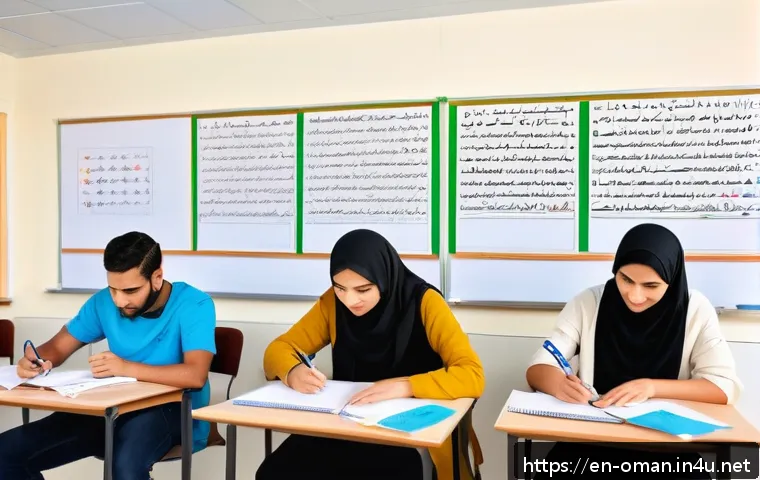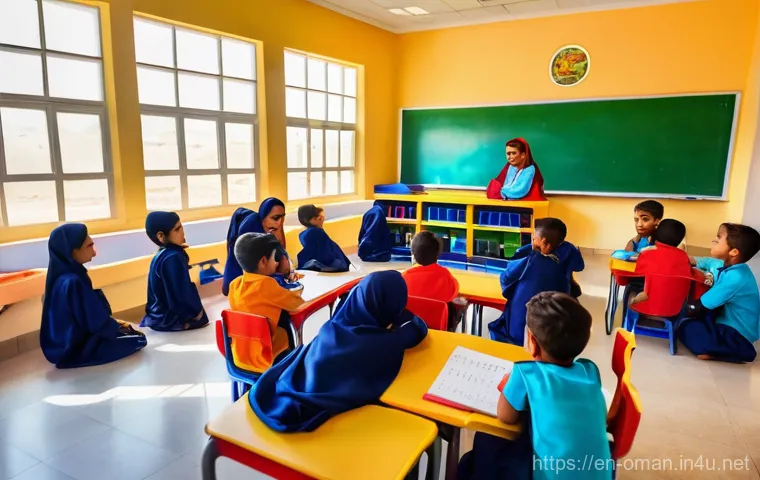
Hey there, fellow knowledge seekers and global adventurers! If you’ve been following my posts, you know I’m always on the lookout for fascinating insights into different cultures, especially how they’re shaping their future through education.
And let me tell you, Oman’s approach has truly caught my attention. It’s not just about textbooks anymore; it’s a dynamic transformation designed to prepare young Omanis for a rapidly changing world.
I’ve noticed a real commitment to nurturing talent, from those first curious steps in primary school all the way through advanced research in their universities.
It’s truly inspiring to see a nation so focused on evolving its learning landscape, integrating cutting-edge technology and global best practices, all while staying true to its rich heritage.
They’re not just building schools; they’re crafting a knowledge-based economy, emphasizing critical thinking, digital literacy, and vocational skills to equip their youth for jobs that might not even exist yet.
It makes me wonder what we can learn from their strategic foresight! So, how exactly are they doing it, and what does this mean for students, educators, and even professionals looking to contribute?
Let’s uncover the specifics together right here.
The Foundation: Crafting Future-Ready Citizens
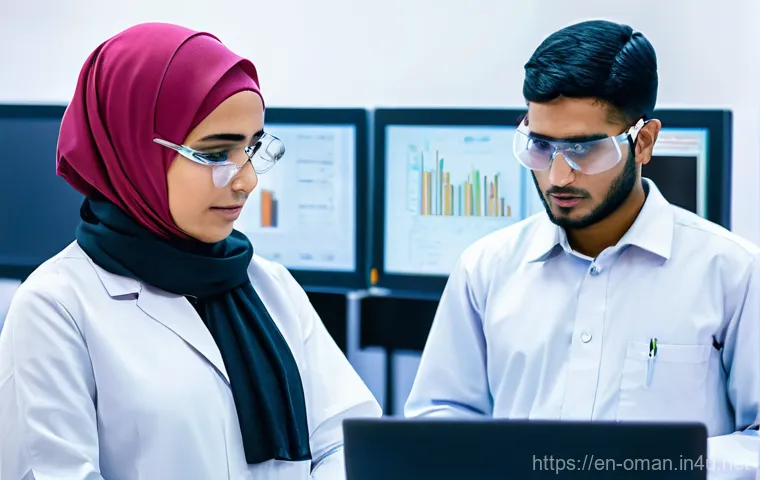
Early Learning: Sparking Curiosity from Day One
I’ve always believed that the journey of a thousand miles begins with a single step, and in Oman, those first educational steps are thoughtfully designed to ignite a lifelong love for learning.
It’s not just about ABCs and 123s anymore; it’s about fostering curiosity, developing critical thinking skills even before students hit their teens, and building a robust foundation that goes far beyond rote memorization.
What I’ve observed is a significant push towards interactive and child-centric teaching methods in primary schools. The Ministry of Education aims to improve student interaction with digital technologies by providing teacher training in using new technologies, reflecting a commitment to modern pedagogical approaches from the earliest stages.
Teachers are encouraged to create engaging environments where children can explore, ask questions, and develop problem-solving skills through play and collaborative projects.
This focus on nurturing intrinsic motivation from a young age truly sets the stage for a generation that isn’t just taught what to think, but how to think.
It’s inspiring to see how they prioritize a holistic approach, understanding that a child’s emotional and social development is just as crucial as their academic progress.
They’re really laying the groundwork for resilient, adaptable, and innovative individuals, ensuring that the curriculum is centered on the Omani child and their environment, cultural heritage, and civilization.
Curriculum Evolution: Beyond Traditional Boundaries
It’s fascinating to watch how curricula evolve, isn’t it? In Oman, the evolution is less about minor tweaks and more about a strategic overhaul designed to keep pace with global demands, aligning with Oman Vision 2040.
They’re meticulously integrating new subjects and interdisciplinary approaches that arm students with skills for a future that’s constantly shifting. I’ve seen a clear emphasis on subjects like digital literacy, entrepreneurship, and environmental studies – topics that were once considered niche but are now absolutely essential.
This isn’t just adding new chapters to old books; it’s about fundamentally reshaping how knowledge is delivered and absorbed. Educators are focusing on project-based learning, where students tackle real-world challenges, collaborate, and present their findings, honing both their academic prowess and their soft skills.
The School Education Law, enacted in May 2023, emphasizes the importance of continuous revision and evaluation of the education system, highlighting a commitment to equipping students with 21st-century skills like analytical thinking, problem-solving, and creativity.
The goal, it seems, is to move beyond simply transmitting information and instead, cultivate creative problem-solvers who can adapt to any professional landscape.
It’s a pretty smart move if you ask me, ensuring their youth are not just educated, but truly empowered.
Bridging the Gap: Empowering Skills for Tomorrow’s Economy
Vocational Pathways: Hands-On Learning for Real-World Impact
I’ve always been a huge advocate for practical skills, and one of the areas where Oman truly shines is its commitment to vocational education. It’s not just an afterthought here; it’s a vital, respected pathway designed to equip young people with tangible skills that directly feed into the nation’s economic growth, as outlined in Vision 2040.
I’ve personally seen how these programs are transforming lives, offering hands-on training in fields ranging from tourism and hospitality to industrial maintenance and IT.
What really impresses me is the close collaboration between educational institutions and industries, facilitated by bodies like the Occupational Standards Centre and Sector Skills Councils.
This collaboration ensures that the curriculum isn’t just theoretical but deeply relevant to the actual needs of employers. Students are getting real-world experience, often through apprenticeships and internships, long before they even graduate.
This approach not only provides immediate employment opportunities but also fosters a sense of purpose and contribution among graduates, making them highly sought-after in the job market.
It feels like a direct response to the global demand for skilled labor, and Oman is clearly ahead of the curve in preparing its workforce, even establishing clear vocational pathways starting at the intermediate school level.
Lifelong Learning: Keeping Pace with Constant Change
In today’s fast-paced world, learning doesn’t stop the day you get your diploma, right? Oman seems to understand this perfectly, investing heavily in initiatives that support lifelong learning and professional development.
What I’ve observed is a societal shift where continuous improvement isn’t just encouraged, it’s becoming an integral part of professional life. There are numerous programs, both government-led and private, offering upskilling and reskilling opportunities for adults across various sectors.
The Adult Literacy and Continuing Education programmes, for example, have been modernized to combine traditional classroom learning with digital tools and even introduce complementary subjects like digital literacy and small-scale business management.
This commitment isn’t just about individual career progression; it’s a strategic move to maintain a competitive and adaptable workforce. When I think about it, empowering citizens to constantly update their knowledge and skills is one of the most powerful investments a nation can make in its future.
It truly builds resilience against economic shifts and ensures that the workforce remains agile and relevant, with online platforms providing flexible and personalized learning experiences for all ages.
Embracing Innovation: Technology in Omani Classrooms
Digital Classrooms: Enhancing Engagement and Access
Stepping into some of Oman’s modern classrooms feels like a glimpse into the future, and honestly, it’s exhilarating. The integration of technology isn’t just about having smartboards; it’s a comprehensive approach to making learning more interactive, engaging, and accessible.
I’ve witnessed how digital tools are being used to personalize learning experiences, allowing students to learn at their own pace and explore subjects in greater depth.
From educational apps and online resources to virtual reality simulations that bring complex concepts to life, technology is truly transforming the pedagogical landscape.
This isn’t just for urban centers either; there’s a concerted effort to ensure even remote areas have access to digital learning platforms, effectively bridging geographical divides.
Oman’s Ministry of Education has consolidated its initiatives around the Noor platform, serving as a single gateway for digital content and classroom management, allowing access to electronic textbooks and interactive resources.
It’s a clear indication that Oman recognizes the power of technology not just as a tool, but as a fundamental enabler for equitable and high-quality education across the board.
EdTech EcoWhat’s truly impressive is that Oman isn’t just importing technology; it’s actively cultivating its own EdTech ecosystem. This means encouraging local innovators, entrepreneurs, and developers to create solutions tailored to the specific needs and cultural context of Omani education. The Ministry of Education has established a National Team for Artificial Intelligence under the Digital Transformation Committee, dedicated to integrating AI into education to improve curricula and personalize learning. This homegrown approach ensures that the technology being used is culturally sensitive, linguistically appropriate, and directly addresses the challenges and opportunities within their educational framework. It’s a smart strategy because it not only provides relevant tools but also stimulates economic growth and creates new job opportunities within the tech sector. The development of interactive digital content is a key component of curriculum modernization, aligning with Oman Vision 2040. This focus on internal capacity building, rather than just external reliance, speaks volumes about their long-term vision for educational self-sufficiency and innovation. It feels like a really exciting space to watch for new developments!
| Key Educational Reform Area | Impact and Focus |
|---|---|
| Curriculum Modernization | Integrating digital literacy, critical thinking, and entrepreneurship; moving towards interdisciplinary and project-based learning. |
| Vocational Training Expansion | Enhanced practical skills development aligned with industry needs; emphasis on apprenticeships and job-market readiness. |
| Technology Integration | Deployment of digital classrooms, educational software, and e-learning platforms to enhance engagement and accessibility. |
| International Collaboration | Partnerships with global universities and educational bodies to share best practices and foster global citizenship. |
| Research & Development Investment | Increased funding and focus on university-led research to drive innovation and economic diversification. |
Global Perspectives: Learning from the Best, Contributing to the World
International Partnerships: Broadening Horizons
One of the things that consistently grabs my attention when looking at progressive education systems is their willingness to look outwards, and Oman is no exception. They’ve really embraced international partnerships, and it’s making a tangible difference. I’ve seen collaborations with renowned universities and educational bodies from around the globe, which are bringing fresh perspectives, advanced research methodologies, and innovative teaching practices into the Omani system. These partnerships aren’t just one-way streets; they involve joint research projects, faculty exchange programs, and curriculum development initiatives that enrich both sides. For students, it means access to global standards and opportunities for international exposure, whether through exchange programs or curricula informed by worldwide best practices. Oman’s higher education minister actively explores academic partnerships, including those focused on inclusive education and pedagogical training, highlighting a commitment to enhancing accessibility for all students. It’s a strategic move that not only elevates the quality of education but also prepares students to be global citizens, understanding diverse viewpoints and contributing effectively on an international stage.
Benchmarking Excellence: Adapting Global Best Practices
It’s always a challenge to balance local context with global standards, but Oman seems to be navigating this beautifully. They are actively benchmarking their educational outcomes against international metrics and adapting global best practices to fit their unique cultural and societal fabric. This isn’t about blindly copying; it’s about intelligent adaptation. I’ve observed their focus on teacher training programs that incorporate methodologies proven effective in other high-performing systems, and their continuous efforts to refine assessment methods to align with international standards. The Oman Authority for Academic Accreditation and Quality Assurance of Education (OAAAQA) plays a crucial role as an independent entity focused on delivering quality education in line with international standards. This rigorous self-evaluation and outward-looking approach ensure that Omani graduates are not only competitive within their own country but also well-prepared for opportunities anywhere in the world. This commitment to continuous improvement, constantly seeking to learn from others while staying true to their identity, is something I find incredibly admirable and a testament to their foresight.
Nurturing Research and Higher Education: Oman’s Knowledge Hub
University Advancement: Fostering Innovation and Discovery
When we talk about building a knowledge-based economy, the role of universities becomes paramount, and Oman is seriously stepping up its game in this arena. I’ve been so impressed by the significant investments being made in higher education, not just in terms of infrastructure but also in cultivating a vibrant research culture. Universities in Oman are actively encouraging students and faculty to engage in cutting-edge research across a multitude of disciplines, from sustainable energy solutions to cultural heritage preservation. It’s no longer just about degree acquisition; it’s about fostering an environment where innovation thrives, new discoveries are made, and practical solutions to national and global challenges are sought. The Ministry of Higher Education, Research and Innovation (MoHERI) is dedicated to promoting scientific research as a primary driver of development and innovation within the framework of Oman Vision 2040. The emphasis on postgraduate studies and research grants, such as the Block Funding Program, is creating a strong incentive for academic excellence, drawing in talent and ensuring that the nation contributes meaningfully to the global body of knowledge. It truly feels like these institutions are becoming dynamic hubs of intellectual exploration and growth.
Industry-Academia Linkages: Driving Economic Diversification
What really excites me about Oman’s higher education landscape is the deliberate and robust effort to forge stronger links between academia and industry. This isn’t just talk; I’ve seen concrete examples where universities are partnering directly with businesses to ensure that research is not only academically rigorous but also economically relevant. These collaborations often lead to internships for students, joint research projects that address industry needs, and even the commercialization of university-developed innovations. The Strategic Research Projects Program, for instance, aims to find scientific and applied solutions through competitive research proposals that focus on national priorities in various service, economic, and social fields. This synergistic relationship is crucial for driving economic diversification, moving Oman beyond traditional industries and into new, high-value sectors. By ensuring that educational output directly aligns with market demand, they are creating a powerful feedback loop that strengthens both the economy and the quality of education. It’s a win-win, really, providing students with clearer career paths and businesses with a pipeline of highly skilled, innovative graduates. It feels like a smart, forward-thinking strategy for long-term prosperity.
Wrapping Things Up
Well, what a journey through Oman’s dynamic educational landscape! It’s genuinely inspiring to see a nation so dedicated to shaping a future-ready generation, from the earliest sparks of curiosity in primary school to the advanced innovations brewing in their universities. This isn’t just about incremental changes; it’s a profound, strategic transformation that integrates global best practices with their rich cultural heritage, all driven by the ambitious Oman Vision 2040. They’re building a system that fosters critical thinking, digital prowess, and practical skills, ensuring their youth are not just educated but truly empowered to thrive in a rapidly evolving world. The commitment to lifelong learning, vocational pathways, and cutting-edge EdTech solutions really stands out, making Oman a compelling case study for any country looking to future-proof its human capital. It truly shows the power of proactive, vision-driven educational reform.
Useful Information to Know
1. Oman Vision 2040 is the overarching national development strategy that underpins all these educational reforms. It aims to diversify the economy and transition into a knowledge-based society, with education, learning, scientific research, and national capabilities identified as a top priority. This ambitious plan is not just a document but a living framework that continuously guides investments and policy decisions in the education sector, ensuring a cohesive and forward-looking approach. The vision targets significant improvements in global education indices and talent competitiveness, aiming to place Oman among the top nations by 2040.
2. The Omani government has made substantial investments in integrating technology into education, with almost 100% of schools now having internet connectivity. This focus extends to developing EdTech ecosystems and even establishing a National Team for Artificial Intelligence to integrate AI into curricula and personalize learning experiences. This digital drive isn’t just about modernizing classrooms; it’s about fostering digital literacy and preparing students for the demands of the Fourth Industrial Revolution. The Ministry of Education’s Noor platform serves as a central hub for digital content, enhancing accessibility and engagement for students across the Sultanate.
3. Vocational and technical education is a significant pillar of Oman’s strategy, designed to bridge the gap between educational outcomes and labor market demands. These programs, often developed in close collaboration with industries, provide hands-on training and real-world experience, making graduates highly employable. Initiatives like the Occupational Standards Centre and Sector Skills Councils ensure that curricula remain relevant and responsive to employer needs, empowering youth with practical skills for diverse sectors like tourism, IT, and industrial maintenance.
4. Oman is actively fostering international partnerships and benchmarking its education system against global standards. This includes collaborations with renowned universities and educational bodies, faculty exchange programs, and aligning assessment methods with international metrics. The Oman Authority for Academic Accreditation and Quality Assurance of Education (OAAAQA) plays a crucial role in maintaining and enhancing the quality of education, ensuring that Omani qualifications are recognized globally and graduates are competitive on the international stage. Such global outlook is instrumental in enriching the local educational landscape.
5. The higher education sector in Oman is witnessing remarkable growth and diversification, with significant investments aimed at fostering innovation and discovery. Universities are becoming hubs for cutting-edge research across various disciplines, supported by entities like the Ministry of Higher Education, Research and Innovation (MoHERI) and strategic research grants. The emphasis is on cultivating a vibrant research culture and strengthening industry-academia linkages to drive economic diversification and address national and global challenges, positioning Oman as a regional leader in higher education.
Key Takeaways
Oman’s educational reform is a holistic and visionary endeavor, deeply intertwined with its national development strategy, Vision 2040. The nation is making deliberate strides to cultivate a robust, knowledge-based economy by prioritizing quality education from early childhood through advanced research. This involves a fundamental shift towards learner-centric, technology-integrated, and skills-focused curricula that equip students with critical thinking, digital literacy, and vocational expertise. A strong emphasis on vocational training, lifelong learning, and robust international partnerships ensures that Omani youth are not only academically proficient but also globally competitive and adaptable to future job markets. The government’s significant investment in EdTech and fostering a vibrant research ecosystem within its higher education institutions further underscores its commitment to innovation and sustainable growth. This comprehensive approach is creating a resilient and dynamic workforce, positioning Oman as a shining example of progressive educational transformation in the region.
Frequently Asked Questions (FAQ) 📖
Q: It’s truly inspiring to hear about Oman’s forward-thinking approach. How exactly are they equipping their young people for a future workforce that’s constantly evolving, especially for jobs we can barely even imagine right now?
A: This is such a brilliant question, and honestly, it’s what grabbed my attention first! What I’ve seen, and what truly stands out about Oman’s vision, is their intense focus on foundational, transferable skills rather than just rote learning.
They’re making a massive push for digital literacy, not just as an add-on, but as a core component from an early age. Imagine students who aren’t just using technology, but understanding its underlying principles, even dabbling in coding or data analysis.
Beyond that, they’re heavily emphasizing critical thinking and problem-solving. I’ve personally observed a shift in their curriculum design, encouraging kids to ask why and how, to collaborate on projects, and to think creatively outside the box.
This isn’t just about getting a good grade; it’s about developing the mental agility to adapt to entirely new industries or roles. They’re also investing heavily in vocational skills training, ensuring that practical, hands-on expertise is valued and directly linked to real-world economic needs.
It’s like they’re saying, “Hey, the future’s uncertain, but if we teach our kids to think, to create, and to be digitally fluent, they’ll thrive no matter what comes next!” From my perspective, this strategic foresight is a huge win for their youth, preparing them for a truly resilient and innovative future.
Q: That’s a fascinating blend of tradition and modernity. How does Oman manage to integrate cutting-edge educational practices and global standards while still honoring and preserving its rich cultural heritage? It seems like a delicate balance!
A: Oh, you’ve hit on one of the most remarkable aspects of Oman’s educational journey, and it’s something I find incredibly admirable. Many nations struggle with this, but Oman seems to have found a beautiful equilibrium.
What truly impressed me is how they weave their heritage into the very fabric of modern learning. It’s not about choosing one over the other; it’s about integration.
For instance, while you’ll find state-of-the-art science labs and smart classrooms, you’ll also find a strong emphasis on Arabic language and Islamic studies, not just as subjects, but as a lens through which they understand the world.
They actively teach about Omani history, traditional arts, and local environmental stewardship, instilling a deep sense of identity and pride in their students.
I’ve noticed a real commitment to showcasing how their rich past can inform a dynamic future. It’s like they’re saying, “Learn from the world, embrace innovation, but never forget where you come from.” This approach ensures that as young Omanis become global citizens, they remain deeply rooted in their own culture, values, and traditions.
It’s a powerful model for how a nation can evolve without losing its soul.
Q: For those of us who might be considering contributing to or simply learning more about this evolving landscape – perhaps as educators, professionals, or even just curious global citizens – what opportunities or pathways are emerging as a result of these educational transformations in Oman?
A: What an excellent question for anyone looking to engage with this dynamic environment! From what I’ve gathered and observed, Oman’s educational transformation is truly creating a ripple effect of opportunities.
For educators, there’s a growing demand for innovative teaching professionals, especially those skilled in digital pedagogy, STEM subjects, and interdisciplinary learning.
I’ve noticed a real openness to global best practices, meaning educators bringing diverse international experiences are often highly valued. If you’re a professional in education technology, curriculum development, or even vocational training, there are clear avenues opening up as Oman continues to invest in infrastructure and program modernization.
Beyond direct employment, I also see a burgeoning ecosystem for educational partnerships and collaborations. Think about researchers looking into future-oriented learning models, or organizations keen on cultural exchange programs.
For students themselves, these changes mean a broader range of academic pathways, more access to international certifications, and crucially, an education that’s more directly aligned with economic growth sectors.
It’s truly a fertile ground for anyone passionate about shaping the future of learning, and honestly, the sheer commitment and vision I’ve seen on the ground make it an incredibly exciting place to be.