Hey everyone! If you’ve been dreaming of escaping the ordinary and immersing yourself in breathtaking natural beauty, then let me tell you, Oman is absolutely calling.
I’ve personally found its blend of ancient culture and untouched wilderness captivating, a true hidden gem for sustainable travel enthusiasts. From the dramatic peaks of Jebel Shams to the serene wadis and pristine coastlines, Oman offers an ecotourism experience unlike any other, promising adventures that truly nourish your soul and respect our planet.
Get ready to discover hidden oases, unique wildlife encounters, and moments that genuinely stick with you long after your trip. Let’s dive deep into Oman’s incredible ecological wonders and explore its most rewarding routes!
Unearthing Oman’s Untouched Wilderness
You know, there’s something truly magical about discovering places where nature still reigns supreme, and that’s exactly what I found in Oman. Forget the bustling crowds; here, it’s about connecting with the raw beauty of the earth. My journey through Oman’s diverse landscapes felt like stepping into a living postcard, each turn revealing a new, awe-inspiring vista. From the moment I arrived, I was captivated by the sheer variety of its natural wonders – towering mountains, serene deserts, and surprising lush oases. It’s a place that really invites you to slow down, breathe deeply, and appreciate the delicate balance of our planet. I remember one morning, hiking through a quiet wadi, the only sounds were the birds and the gentle trickle of water. It was incredibly peaceful, a stark contrast to my usual city life, and it genuinely made me reflect on the importance of preserving these precious ecosystems. This connection to nature is what makes Oman so uniquely rewarding for anyone who loves the outdoors and wants to experience it responsibly. Trust me, it’s an adventure that leaves you feeling refreshed and profoundly inspired.
Exploring Pristine Wadis and Oases
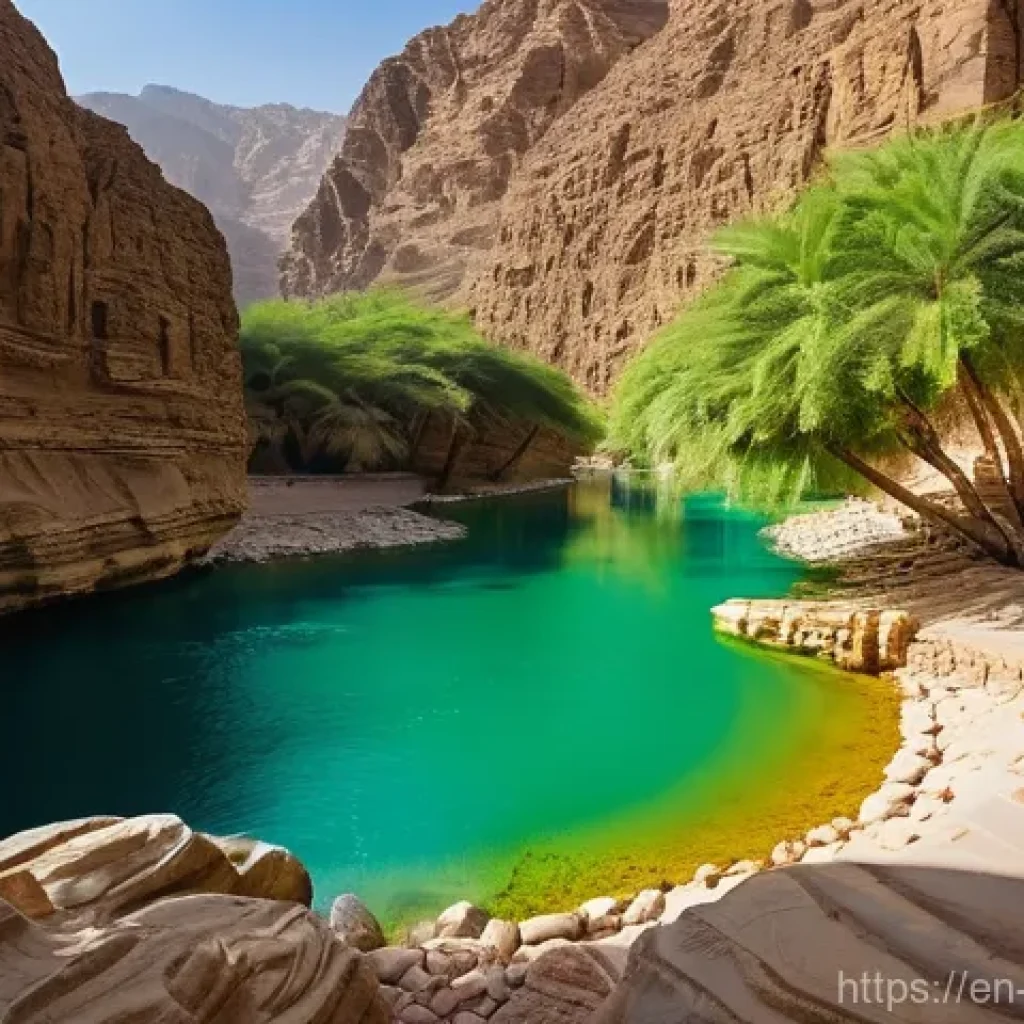
When I first heard about Oman’s wadis, I pictured small streams, but nothing prepared me for the breathtaking reality. These geological formations are true havens, carving through dramatic rock faces and revealing crystal-clear, emerald pools perfect for a refreshing dip. Wadi Shab, for instance, felt like a secret paradise that I was privileged to explore. You start with a short boat ride, then hike through a stunning canyon, eventually swimming through a narrow crevice to reach a hidden cave waterfall. It’s an unforgettable experience, but remember to go with a local guide and respect the environment – leave no trace, bring back everything you take in. Wadi Bani Khalid also left a lasting impression on me with its expansive pools and accessible walking paths. The trick is to visit early to enjoy the tranquility before more people arrive. It’s not just about the swimming; it’s about soaking in the unique atmosphere, the date palms swaying gently, and the ancient rocks telling silent stories. I always make sure to pack a reusable water bottle and pick up any stray litter I might spot, helping keep these incredible places as beautiful as I found them.
Hiking the Majestic Hajar Mountains
If you’re anything like me and crave a good challenge with an even better reward, then the Hajar Mountains will call to your soul. Standing proudly, these peaks offer some of the most dramatic scenery I’ve ever witnessed. Jebel Shams, often called the “Grand Canyon of Arabia,” is an absolute must-do. The views from the rim are simply spectacular, stretching for miles across ancient, weathered landscapes. I spent a full day trekking one of the balcony walks, and the sheer scale of the canyon left me speechless. It’s not just about the panoramic vistas though; the trails themselves are incredibly diverse, leading you through abandoned villages clinging to cliffsides and past terraced farms. What I really loved was seeing how communities have adapted to this rugged terrain for centuries. For serious trekkers, there are multi-day routes, but even a leisurely stroll offers immense satisfaction. Just be prepared with sturdy hiking boots, plenty of water, and ideally, a local guide who can share insights into the geology and local culture. The air up there is so crisp, and the silence is truly golden – a perfect escape from the everyday.
Connecting with Local Traditions and Communities
One of the most enriching parts of my travels in Oman wasn’t just about the landscapes, but the incredible people I met along the way. I truly believe that sustainable travel goes hand-in-hand with immersing yourself in local culture and directly supporting the communities you visit. It’s about more than just being a tourist; it’s about being a respectful guest. The warmth and generosity of the Omani people really touched me. They are so proud of their heritage and genuinely happy to share it. Engaging with them offered me insights I could never get from a guidebook, making my trip so much more meaningful. From sharing a cup of cardamom-infused coffee to learning about traditional crafts, these interactions are the moments that stick with you, long after you’ve returned home. I’ve found that the best way to do this is to seek out locally-owned businesses, ask questions (respectfully, of course!), and simply be open to new experiences. It makes a huge difference, both for the local economy and for your own understanding of the world.
Experiencing Authentic Omani Hospitality
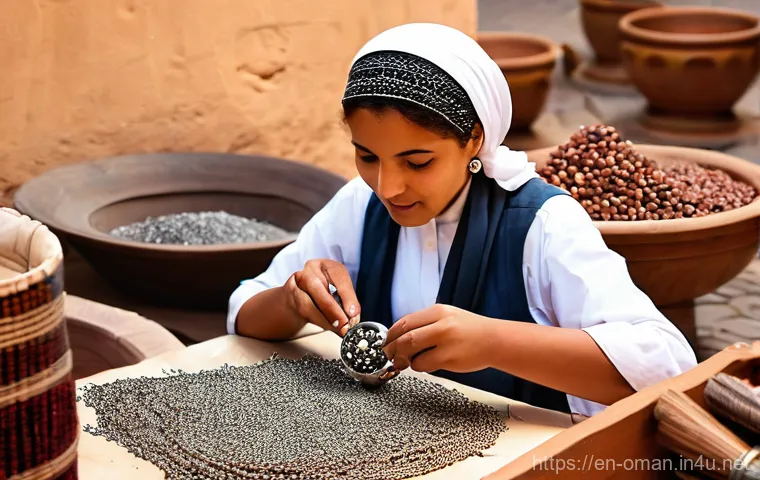
Omani hospitality is legendary, and I can personally attest to its genuine warmth. It’s not just a gesture; it’s deeply ingrained in their culture. On several occasions, I was invited into homes for coffee and dates, or offered help when I seemed a little lost. These weren’t transactions; they were heartfelt invitations to connect. I particularly remember a time when I was exploring a small village near Nizwa, and an elderly man, noticing my curiosity about his intricate silverwork, invited me into his workshop. He spent an hour showing me his craft, patiently explaining the techniques passed down through generations. There was no pressure to buy, just a desire to share. This kind of interaction is invaluable. When you visit, don’t be shy about accepting offers of hospitality, but always be respectful of local customs. Dressing modestly, especially when visiting homes or religious sites, goes a long way. These are the moments that truly transform a trip from a simple vacation into a profound cultural exchange, fostering mutual respect and understanding.
Supporting Local Artisans and Businesses
If you’re like me and love finding unique souvenirs that tell a story, then Oman’s souqs and craft shops are a treasure trove. But it’s more than just shopping; it’s about making sure your money directly benefits the local economy and helps preserve traditional crafts. I always prioritize buying directly from artisans whenever possible. Take the bustling souq in Nizwa, for example. Beyond the vibrant produce and spices, you’ll find stalls selling handmade pottery, intricately woven textiles, and stunning silver jewelry, including the famous khanjar dagger. Each piece often has a story behind it, reflecting centuries of Omani craftsmanship. I made it a point to engage with the sellers, learning about their techniques and the history of their work. It not only means you’re taking home a truly authentic piece, but you’re also putting money directly into the hands of the people who created it, enabling them to continue their traditions. From small family-run guesthouses to independent tour guides, opting for local businesses is one of the easiest and most impactful ways to practice responsible tourism.
Embracing Responsible Wildlife Encounters
For me, seeing wildlife in its natural habitat is one of the most incredible aspects of travel. In Oman, the commitment to conservation means that these encounters are not only possible but also managed in a way that prioritizes the animals’ well-being. It’s a delicate balance, and I’ve learned firsthand the importance of being a respectful observer. Imagine witnessing green sea turtles nesting under a starry sky, or spotting rare bird species in their untouched ecosystems – these are truly profound experiences. Oman has done a fantastic job of establishing reserves and promoting guidelines that allow visitors to appreciate its biodiversity without causing harm. It really forces you to think about your impact and how to ensure these amazing creatures continue to thrive. My personal philosophy is always to put the animals first, observing from a distance, never interfering, and certainly never leaving anything behind that could disrupt their environment. This is how we ensure that future generations can also marvel at Oman’s wild inhabitants.
Turtle Nesting on Oman’s Shores
One of the absolute highlights of my Omani adventure was witnessing the incredible phenomenon of sea turtles nesting. Oman’s coastline is a critical nesting ground for several species, especially the green sea turtle, and places like Ras Al Jinz Turtle Reserve offer a unique opportunity to see them. I remember the hushed anticipation of waiting on the beach in the dark, and then the sheer wonder of seeing a massive female turtle slowly make her way up the sand to lay her eggs. It’s an emotionally powerful moment that truly connects you to the ancient cycles of nature. The reserve ensures strict guidelines are followed to protect the turtles: no flash photography, no touching, and maintaining absolute silence. You go with a trained guide who understands the turtles’ behavior, ensuring minimal disturbance. Later, I also had the chance to see tiny hatchlings making their desperate dash for the ocean, a poignant reminder of life’s fragility. If you plan to go, book your visit well in advance, especially during peak nesting season (June to September), and be prepared for an experience you’ll never forget.
Birdwatching in Diverse Ecosystems
As an avid nature lover, I’m always on the lookout for unique birdwatching opportunities, and Oman certainly didn’t disappoint. Its varied landscapes, from arid deserts to lush coastal mangroves and mountain wadis, create a mosaic of habitats that attract an astonishing array of bird species, both resident and migratory. I particularly enjoyed exploring the Al Ansab Wetland in Muscat, a surprisingly vibrant oasis that attracts numerous waterfowl and waders, even though it’s right near the city. Further afield, the Khawr Rawri and other lagoons in the Dhofar region during the Khareef (monsoon) season are absolutely bursting with life, with flocks of flamingos, herons, and various shorebirds. It’s a fantastic place to hone your bird identification skills and just soak in the peaceful atmosphere. Remember to bring a good pair of binoculars, a field guide, and practice patience. Often, the most rewarding sightings come when you simply sit quietly and let the natural world unfold around you. It’s a wonderful way to appreciate Oman’s rich biodiversity and its commitment to preserving these vital ecosystems.
Savoring Sustainable Flavors: A Culinary Journey
Food is such a huge part of understanding a culture, isn’t it? In Oman, I discovered that their culinary traditions are as rich and diverse as their landscapes, and seeking out sustainable food experiences became a delightful part of my journey. It’s not just about eating; it’s about connecting with the source of your food, understanding local ingredients, and supporting the farmers and producers who bring these flavors to life. I’ve always believed that eating locally is one of the most effective ways to reduce your environmental footprint while traveling, and Oman makes it incredibly easy and delicious. From fresh dates picked right from the palm to aromatic spices that fill the air in the souqs, every meal felt like an authentic taste of the land. My advice? Don’t be afraid to try new things and ask locals for their recommendations. You’ll not only discover incredible dishes but also gain a deeper appreciation for Omani heritage and their commitment to traditional, wholesome ingredients.
Farm-to-Table Experiences
One of the best ways I’ve found to truly experience Omani food is through farm-to-table initiatives. While not always explicitly labeled, many smaller restaurants and guesthouses in rural areas pride themselves on using ingredients sourced directly from local farms. I had an unforgettable experience at a small guesthouse near Bahla, where dinner consisted of vegetables grown in their own garden and freshly baked bread from a nearby village. The flavors were incredibly vibrant and authentic, a stark contrast to mass-produced food. You can often find opportunities to visit date plantations, observe honey production, or even participate in cooking classes that highlight traditional Omani dishes like Shuwa (slow-cooked lamb or goat) or Majboos (spiced rice with meat). These experiences not only provide incredibly fresh and delicious meals but also offer a direct insight into the agricultural practices of the region and the families who sustain them. It’s a wonderful way to support local economies and enjoy truly genuine Omani flavors.
Traditional Omani Coffee and Dates

You absolutely cannot visit Oman without indulging in its iconic coffee, or ‘Kahwa,’ and, of course, the ubiquitous dates. This isn’t just a snack; it’s a profound cultural ritual. Omani Kahwa is distinct – often served without milk or sugar, lightly spiced with cardamom, and poured from an elegant ‘dallah’ into small, handle-less cups. I found myself savoring Kahwa countless times, often accompanied by a plate of fresh, sweet dates, which range in variety and texture. It’s a gesture of welcome and hospitality that you’ll encounter everywhere, from formal gatherings to casual meetings. The dates are locally grown, and Oman is famous for its abundant date palms, providing a sustainable and delicious local staple. I loved trying different varieties, each with its own subtle flavor profile. This simple pairing represents the heart of Omani culture – warmth, generosity, and a deep connection to their land. Make sure to buy some local dates and maybe even a small bag of Omani coffee beans to take a piece of this delightful tradition home with you.
Choosing Conscious Accommodations
When I’m planning a trip, especially one focused on sustainable travel, where I stay is just as important as what I do. It’s not just about finding a comfortable bed; it’s about choosing places that align with my values and actively contribute to the well-being of the environment and local communities. In Oman, I was delighted to find a growing number of accommodations that are embracing eco-friendly practices, from stunning desert camps to beautiful coastal resorts. These places aren’t just greenwashing; they’re genuinely committed to minimizing their footprint, supporting local staff, and often, educating guests about sustainable living. My personal experience has shown me that opting for these types of stays not only makes me feel good but often provides a more authentic and immersive experience. You get to interact more closely with the natural surroundings and the people who call the area home. It’s about making a conscious choice that positively impacts both your trip and the destination.
Staying in Eco-Friendly Desert Camps
Sleeping under a canopy of a million stars in the Omani desert is an experience everyone should have, and doing it in an eco-friendly camp makes it even better. I’ve had the pleasure of staying in a few such camps in the Wahiba Sands, and they perfectly blend traditional Bedouin hospitality with modern sustainability. These camps typically use solar power, manage water consumption carefully, and minimize waste. What I loved most was how they integrated into the desert landscape without disrupting it. You wake up to the quiet expanse of dunes, maybe even catch a glimpse of gazelles, and feel completely disconnected from the hustle and bustle. Many of these camps are locally owned and operated, providing employment opportunities for Bedouin communities. They often offer unique experiences like dune bashing (with responsible operators, of course!), camel rides, and traditional Omani dinners, all while keeping a light footprint. It’s an incredible way to experience the desert’s magic authentically and responsibly, making memories that truly last a lifetime.
Coastal Resorts with a Green Footprint
Oman’s coastline is absolutely stunning, with pristine beaches and vibrant marine life, and it’s wonderful to see some resorts making a concerted effort to protect these treasures. When I’m looking for a coastal escape, I actively seek out accommodations that boast a green footprint. This could mean anything from using renewable energy and implementing comprehensive recycling programs to supporting marine conservation initiatives and hiring local staff. I’ve stayed at resorts that have invested in desalination plants for water, use locally sourced produce in their restaurants, and even organize beach clean-ups involving their guests. While luxury can sometimes feel at odds with sustainability, I’ve found that many Omani resorts are proving that it doesn’t have to be. They offer beautiful amenities and exceptional service while still being mindful of their environmental impact. Before booking, I always do a quick search for their environmental policies or look for certifications. It’s a great way to enjoy the beautiful Omani coast knowing that your stay is contributing positively to its preservation.
Navigating Oman with a Light Touch
Okay, so you’ve picked your ethical tours, supported local artisans, and chosen your eco-friendly stay. Now, how do we get around without undoing all that good work? For me, traveling sustainably isn’t just about the big choices; it’s also about the small, daily decisions we make on the ground. Navigating Oman with a light touch means being mindful of your transportation, your waste, and your overall interaction with the environment. It’s about respecting the country’s natural resources and culture at every turn. I’ve found that a little planning goes a long way here. Thinking about how to minimize your carbon footprint, conserving water, and reducing plastic use are all simple yet powerful ways to ensure your adventure leaves a positive mark, not a negative one. It really comes down to adopting a mindset of respect and responsibility, which, to be honest, makes the whole travel experience far more rewarding. It felt great knowing I was doing my part.
Sustainable Transportation Tips
Getting around Oman responsibly can be a bit of a dance, especially given its sprawling landscapes, but it’s absolutely doable! While a 4×4 is often necessary for off-road adventures to wadis and deserts, for city exploration and well-paved routes, I try to opt for more sustainable choices. In cities like Muscat, taxis are readily available, and for shorter distances, walking is a fantastic way to soak in the atmosphere and reduce emissions. If you’re renting a car, consider carpooling with fellow travelers if possible. For longer distances between major towns, there are intercity bus services which are a much more fuel-efficient option than individual cars. When you do need to use a 4×4 for desert or mountain excursions, consider booking with tour operators who demonstrate a commitment to vehicle maintenance and eco-friendly driving practices. I always make sure to turn off the engine when parked for extended periods and plan my routes efficiently to minimize unnecessary driving. Every little bit helps to lessen our carbon footprint!
Minimizing Your Environmental Impact
Beyond transportation, there are so many ways to minimize your environmental impact while enjoying Oman’s incredible beauty. I’ve learned that the key is awareness and preparation. First up: plastics. Oman, like many places, is working on waste management, but you can do your part by bringing a reusable water bottle and refilling it whenever possible. Many hotels and guesthouses offer filtered water. Secondly, be conscious of water usage, especially in arid regions. Take shorter showers and report any leaks. Thirdly, respecting cultural sites means not touching ancient structures and properly disposing of your litter in designated bins, or better yet, taking it with you until you find appropriate disposal. And finally, when you’re out in nature, stick to marked trails, don’t disturb wildlife, and never, ever light fires outside of designated areas. It’s about being a thoughtful visitor who leaves nothing but footprints and takes nothing but photographs and incredible memories. These small actions collectively make a huge difference in preserving Oman for everyone.
| Eco-Travel Essential | Why It’s Important in Oman | My Top Tip |
|---|---|---|
| Reusable Water Bottle & Filter | Reduces plastic waste; essential for hydration in the heat. | Carry a large capacity bottle (1L+) and a personal filter for wadi trips. |
| Sunscreen & Hat | Protection from intense Omani sun, especially while hiking. | Opt for reef-safe sunscreen if you plan on swimming in coastal areas. |
| Modest Clothing | Respects local culture; provides sun protection. | Lightweight, breathable fabrics like linen or cotton work best. |
| Sturdy Hiking Shoes | Crucial for navigating wadis, mountain trails, and rocky terrain. | Ensure they’re broken in before your trip to avoid blisters. |
| Daypack with Rain Cover | Carries essentials; protects against unexpected wadi flash floods (rare but possible). | Choose a comfortable, ventilated pack for long hikes. |
글을 마치며
As I reflect on my incredible journey through Oman, I’m left with a profound sense of gratitude and inspiration. This isn’t just a destination; it’s an experience that truly transforms you, inviting you to reconnect with nature, immerse yourself in a vibrant culture, and travel with a purpose. Every wadi explored, every mountain trail hiked, every conversation shared with a local, reinforced my belief in the power of responsible tourism. It’s about leaving a positive footprint, embracing authenticity, and cherishing the unique beauty of our world. I genuinely hope my experiences inspire you to embark on your own conscious adventure, knowing that your choices can make a real difference in preserving such precious gems like Oman for generations to come. Trust me, the memories you’ll make here will be etched in your heart forever.
알아두면 쓸모 있는 정보
1. Dress Modestly and Respectfully: Oman is a conservative country, and showing respect for local customs through your attire is highly appreciated. For both men and women, wearing clothing that covers shoulders and knees is advisable, especially when visiting religious sites or local villages. Lightweight, breathable fabrics are your best friends in the Omani heat, and believe me, you’ll feel much more comfortable and welcomed by the locals. It truly makes a difference in your interactions.
2. Hydration is Key: The Omani sun can be intense, even in the cooler months, so staying hydrated is absolutely crucial for your health and enjoyment. Always carry a reusable water bottle and refill it whenever possible. Many hotels, guesthouses, and even some public places offer filtered water stations. Skipping single-use plastic bottles not only helps the environment but also ensures you’re never caught without a refreshing drink when you need it most, especially during hikes.
3. Embrace Local Guides: For a truly enriching and sustainable experience, consider hiring local guides, especially for wadi explorations, mountain treks, or cultural tours. They offer invaluable insights into the local environment, history, and traditions that you simply won’t find in guidebooks. Plus, it directly supports the local economy and provides employment opportunities for communities, ensuring your travel dollars make a tangible positive impact. My own experiences with local guides have been some of the most memorable parts of my trips.
4. Understand the Local Currency and Tipping: The local currency is the Omani Rial (OMR). While credit cards are widely accepted in larger establishments, having small denominations of cash is essential for souqs, smaller shops, and local eateries. Tipping is not as ingrained as in some Western countries, but it’s always appreciated for good service, particularly in tourism-related roles like drivers, guides, and hotel staff. A small gesture of appreciation goes a long way and shows your gratitude for their hard work.
5. Plan Your Travel Dates Wisely: Oman experiences distinct seasons. The cooler months, typically from October to April, are ideal for outdoor activities like hiking and desert adventures, with pleasant temperatures. However, this is also peak tourist season. If you’re planning a trip during the summer (May to September), be prepared for very high temperatures, especially inland. The Khareef (monsoon) season in Salalah (Dhofar region) from June to September offers a unique lush, misty experience, a stark contrast to the rest of the country, and it’s something I absolutely loved experiencing.
중요 사항 정리
My journey through Oman has truly reinforced that sustainable travel isn’t just a buzzword; it’s a mindful approach that enhances every aspect of your adventure. The core principle I’ve tried to live by, and one I deeply encourage, is to always be a respectful guest. This means actively supporting local communities by choosing their services and products, immersing yourself in their rich culture with an open heart, and constantly striving to minimize your environmental footprint. Whether it’s conserving water in arid regions, reducing plastic waste, or observing wildlife from a respectful distance, every small action collectively contributes to preserving Oman’s breathtaking natural beauty and vibrant heritage. Remember, you have the power to travel meaningfully, creating cherished memories while ensuring that this incredible land remains untouched and thriving for future explorers. Let your Omani adventure be a testament to the positive impact conscious travel can have.
Frequently Asked Questions (FAQ) 📖
Q: What makes Oman such a unique and truly rewarding ecotourism destination, especially compared to other popular spots?
A: Oh, this is such a fantastic question! From my personal adventures, what truly sets Oman apart in the ecotourism world is its incredible blend of raw, untouched natural beauty deeply intertwined with a rich, ancient culture.
It’s not just about seeing pretty landscapes; it’s about experiencing a way of life that respects its environment, a philosophy that’s practically woven into the very fabric of the country.
I mean, where else can you trek through dramatic mountains like Jebel Shams in the morning, discover a serene, crystal-clear wadi by afternoon, and then find yourself camping under a blanket of stars in the vast desert, all while feeling a genuine connection to the local heritage?
Oman offers such a diverse tapestry of ecosystems – from those towering peaks and lush oases to the pristine coastlines teeming with marine life. It’s a place that genuinely encourages sustainable practices, making you feel like your visit is truly contributing to the preservation of these wonders, rather than just passing through.
It’s an experience that nourishes your soul and expands your perspective in ways few other places can, honestly.
Q: What kind of incredible wildlife encounters or unique ecological experiences can I really expect when I visit Oman? I’m dreaming of something unforgettable!
A: You are in for a treat, my friend! If you’re anything like me, you’ll be absolutely mesmerized by the sheer variety of life here. I still remember the first time I witnessed it – visiting Ras Al Jinz turtle reserve, watching massive green turtles make their way onto the beach to nest under the moonlight.
It’s an almost spiritual experience that genuinely sticks with you. Beyond that, Oman’s waters are a haven for marine life. Imagine spotting playful dolphins leaping through the waves during a boat trip along the coast, or even snorkeling in crystal-clear waters where vibrant coral reefs teem with colorful fish.
On land, the majestic Arabian Oryx, once nearly extinct, roams free in protected sanctuaries like the Arabian Oryx Sanctuary, offering a glimpse into successful conservation efforts.
And for birdwatchers? The wadis and coastal areas are migration hotspots, so keep your binoculars handy! It’s these intimate moments with nature, often guided by local experts who share their deep knowledge and passion, that truly make Oman’s ecological experiences so unique and memorable.
Every encounter feels like a privilege.
Q: I’m completely sold! Could you share some of your “most rewarding routes” or absolute must-visit spots for an ecotourist like me? I want to make the most of my trip!
A: Absolutely! This is where the real fun begins. Based on my own explorations, if you want to dive deep into Oman’s ecological heart, you have to start with Jebel Shams, often called the “Grand Canyon of Arabia.” The hikes there are breathtaking, and staying in an eco-lodge or camping high up gives you sunrises and sunsets you’ll never forget.
Another absolute must-do is exploring some of Oman’s incredible wadis. Wadi Shab and Wadi Bani Khalid are personal favorites; they offer stunning natural pools for swimming, lush date palms, and invigorating hikes through canyons.
It’s like finding a hidden paradise around every bend. For coastal wonders, definitely head south to Salalah, especially during the Khareef (monsoon) season, when the region transforms into a verdant, misty landscape with seasonal waterfalls – it’s a completely different side of Oman.
And of course, for those unforgettable turtle nesting experiences, a trip to Ras Al Jinz is essential. Each of these routes offers such a distinct flavor of Oman’s natural beauty, promising adventures that connect you deeply with the environment and leave you feeling truly rejuvenated.
Trust me, you’ll be planning your next visit before you even leave!