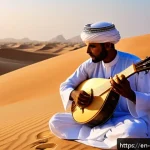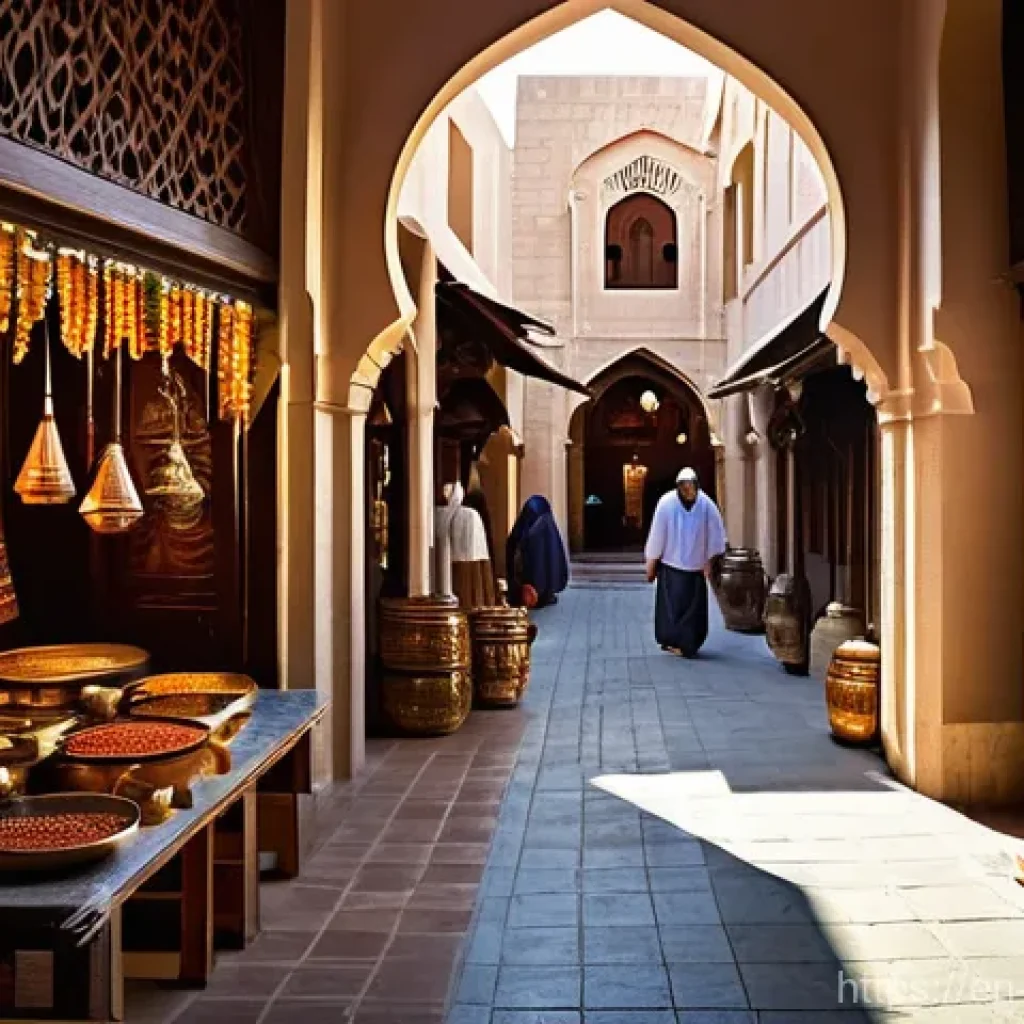
Ah, Oman’s traditional markets! They’re absolutely brimming with life, culture, and incredible finds. Stepping into a souk there, like the famous Mutrah Souk, truly feels like you’re peeling back centuries of history, where the air is thick with the unforgettable scent of frankincense and exotic spices, and the vibrant colours of textiles and intricate silver jewelry dazzle your eyes.
My own visits have been nothing short of magical, offering an authentic glimpse into the heart of Omani traditions and the warmth of its people. It’s more than just shopping; it’s an immersive cultural dance where you can genuinely connect with local artisans and perhaps even try your hand at friendly bargaining, a cherished custom that makes every purchase a story.
If you’re longing to discover unique treasures and experience a truly captivating slice of Omani heritage, then get ready to unveil all the insider secrets for an unforgettable market adventure right below!
Unveiling the Timeless Charms of Omani Souks
Stepping into an Omani souk, like the legendary Mutrah Souk in Muscat, is an experience that truly transcends mere shopping; it’s a full-body immersion into centuries of vibrant culture and tradition.
My very first time, the sheer symphony of sights, sounds, and smells hit me like a beautiful wave. The air was thick with the unforgettable, almost sacred, aroma of frankincense mingling with exotic spices, while the vibrant hues of intricately woven textiles and dazzling silver jewelry seemed to dance before my eyes.
It felt as though I’d stumbled into a living, breathing history book, where every turn revealed another chapter. Unlike the sterile, predictable malls we’re used to back home, these traditional markets buzz with an organic energy, a timeless rhythm that makes you feel incredibly connected to the heart of Oman.
The sheer authenticity of it all is what captivates me every single time, offering an unfiltered glimpse into the soul of this incredible nation. It’s more than just buying a souvenir; it’s about soaking in an atmosphere you simply can’t replicate anywhere else.
A Tapestry of Scents and Sounds
Picture this: the gentle clinking of silver against silver, the melodious calls of vendors inviting you to explore their wares, and the hushed murmurs of negotiations blending into a harmonious hum.
That’s the soundtrack of an Omani souk. But it’s the olfactory experience that truly lingers. The deep, resinous scent of frankincense, a scent synonymous with Oman, permeates everything, a comforting and ancient aroma that transports you.
Then there’s the sharp, invigorating whiff of spices – cardamom, turmeric, saffron – piled high in vibrant pyramids, each promising a culinary adventure.
I’ve often found myself just standing there, eyes closed, simply breathing it all in, letting the fragrant air tell its own stories of trade routes and distant lands.
It’s an intoxicating mix that stays with you long after you’ve left.
Stepping Back in Time: The Souk’s Ancient Roots
What always fascinates me is the palpable sense of history woven into the very fabric of these markets. Many of these souks have been trading hubs for hundreds of years, connecting Oman with ancient civilizations across the Indian Ocean and beyond.
As I wander through the narrow, winding alleys, I can almost hear the echoes of merchants from bygone eras, their footsteps on the well-worn paths mirroring my own.
It’s a powerful reminder that these aren’t just commercial spaces; they are historical crossroads, places where cultures converged, ideas were exchanged, and stories began.
This deep sense of heritage adds an incredible layer of richness to every visit, making each purchase feel like a tiny piece of history you’re taking home.
Your Treasure Map to Authentic Omani Keepsakes
Oh, the treasures you can unearth in an Omani souk! It’s not just about the items themselves, but the stories they carry and the skilled hands that crafted them.
Every visit feels like a grand treasure hunt, and I always arrive with an eager spirit, ready to discover something truly unique. From the glistening silver that catches your eye to the potent, earthy frankincense that fills the air, there’s an endless array of authentic Omani goods waiting to be admired and taken home.
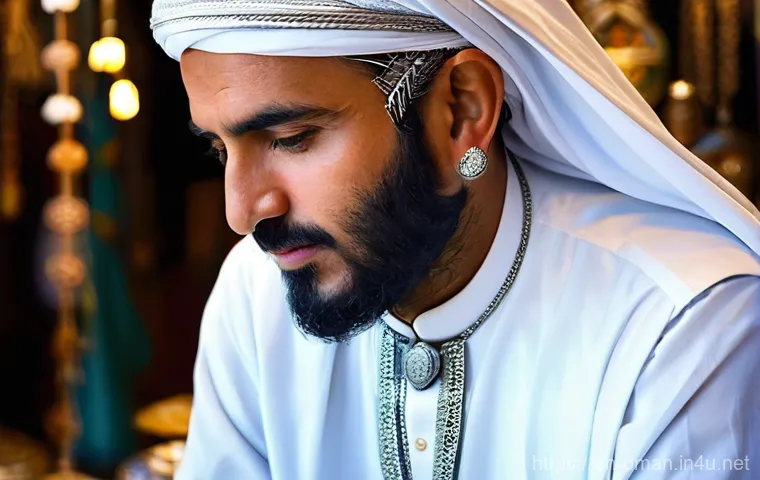
I always make a point of looking for the intricate silver jewelry, especially the traditional pieces; each one feels like it tells a story, unlike anything you’d find back home.
The craftsmanship is simply breathtaking, a testament to generations of artistry. Trust me, you’ll want to dedicate ample time to explore every nook and cranny because the real gems are often tucked away in the most unexpected corners, waiting for the discerning eye to find them.
| Omani Souk Treasure | What Makes It Special | Insider Tip |
|---|---|---|
| Omani Silver Jewelry | Intricate designs, often featuring Bedouin motifs and traditional Omani patterns. Handcrafted by local artisans. | Look for the “hallmark” or ask about the silver purity (often 925 sterling). Bargain respectfully for the best price. |
| Frankincense (Luban) | Oman is world-renowned for its high-quality frankincense, especially from Dhofar. Used for incense, perfume, and traditional medicine. | Buy different grades; the lighter, clearer tears are often considered higher quality for burning. |
| Kuma and Mussar | The kuma (embroidered cap) and mussar (turban) are traditional Omani headwear, beautifully crafted and distinctly Omani. | Choose a pattern and color that speaks to you. They make stylish and unique gifts. |
| Omani Halwa | A sticky, sweet gelatinous dessert made from sugar, ghee, saffron, and nuts. A national delicacy, often served with Omani coffee. | Sample it before you buy! Each shop might have a slightly different recipe and consistency. |
| Pottery | Hand-painted pottery, often in earthy tones with traditional patterns. Useful and decorative pieces. | Check for cracks before purchasing, especially if you plan to travel with it. |
Gleaming Silver and Dazzling Jewels
The silver souk section is always a showstopper for me. The sheer volume and variety of handcrafted silver pieces are astounding. From chunky Bedouin necklaces adorned with ancient symbols to delicate filigree earrings and the iconic khanjar (dagger) sheaths, each piece feels like a miniature work of art.
The quality is exceptional, and it’s always reassuring to know you’re buying something authentically Omani, crafted with care by local artisans whose skills have been passed down through generations.
I’ve collected a few pieces over my visits, and they’re not just jewelry; they’re conversation starters, each carrying a tiny piece of Oman’s rich cultural tapestry.
The Alluring Aroma of Frankincense
You simply cannot leave Oman without a piece of its most famous export: frankincense. The scent is utterly captivating – earthy, spiritual, and incredibly calming.
Walking through the frankincense stalls, you’ll find piles of golden-brown resins, each subtly different in aroma and quality. Vendors are usually happy to let you sniff and even demonstrate how it’s burned.
I’ve brought back various grades over the years, from the heady, woody notes for burning to the lighter, more citrusy tears often used in perfumes or even chewed traditionally.
It’s more than just a scent; it’s a connection to Oman’s ancient trade history and a truly unique gift that carries the essence of the country.
Mastering the Art of the Deal: A Souk Survival Guide
Bargaining in an Omani souk isn’t just about getting a good price; it’s an intricate dance, a cherished cultural exchange that’s as much about connection as it is about commerce.
When I first started, I admit I was a bit shy about it, feeling a little awkward asking for a lower price. But I quickly learned that it’s an expected part of the interaction, a respectful tradition that both buyers and sellers genuinely enjoy.
It’s not aggressive; it’s friendly, often accompanied by smiles and perhaps a small cup of Omani kahwa. The vendors appreciate it when you engage, when you show interest in their products and their culture.
It transforms a simple transaction into a memorable interaction, making every purchase feel like a story rather than just another item checked off a list.
Embracing the Bargain Dance
My approach to bargaining has evolved from hesitant whispers to confident, yet always polite, negotiations. The trick, I’ve found, is to start with a smile and a genuine compliment about the item.
Don’t immediately jump to a low offer; instead, express your interest and ask for “the best price.” The vendor will offer a price, and then the dance begins.
It’s about back-and-forth, a gentle push and pull, often involving a bit of playful banter. Never be rude or disrespectful; remember, this is a social interaction.
Aim to meet somewhere in the middle, and if you genuinely can’t agree on a price, it’s perfectly fine to politely decline and move on. You’ll be surprised how often a vendor will call you back with a better offer if they see you’re serious but unwilling to pay their initial price.
When to Hold Firm, When to Smile
Knowing when to hold your ground and when to be flexible is key. For smaller, less expensive items, the room for negotiation might be smaller, or prices might even be fixed.
But for larger purchases, like intricate silver pieces, rugs, or significant quantities of frankincense, that’s where your bargaining skills can really shine.
I remember once spending a good twenty minutes charming a silver merchant, discussing the craftsmanship and the history of the piece. It wasn’t just about the money; it was about the shared appreciation for art.
In the end, we both walked away happy – me with a beautiful, treasured necklace, and him with a satisfied customer who appreciated his work. It’s all about the experience, making that personal connection, and finding that sweet spot where everyone feels like they’ve won.
A Taste of Tradition: Culinary Delights Beyond the Stalls
After hours of delightful exploration, navigating the bustling alleys and engaging in friendly banter, there’s nothing quite like taking a well-deserved break to savor the local flavors.
The souks aren’t just for shopping; they’re often surrounded by small, unassuming cafes and eateries that offer a true taste of Omani hospitality and cuisine.
My personal ritual after a good souk session is to find a quiet corner, settle down with a small cup of potent Omani kahwa, and just watch the world go by.
It’s the perfect way to recharge and soak in the atmosphere, letting the rich, cardamom-infused coffee warm you from the inside out. These culinary pit stops are an integral part of the souk experience, providing a delicious window into the everyday life of Omanis.
Savoring Omani Kahwa and Dates
Omani kahwa is an experience in itself. It’s not your typical espresso; it’s a fragrant, spiced coffee, often brewed with cardamom, sometimes with a hint of rosewater, and served in small, handle-less cups called finjans.
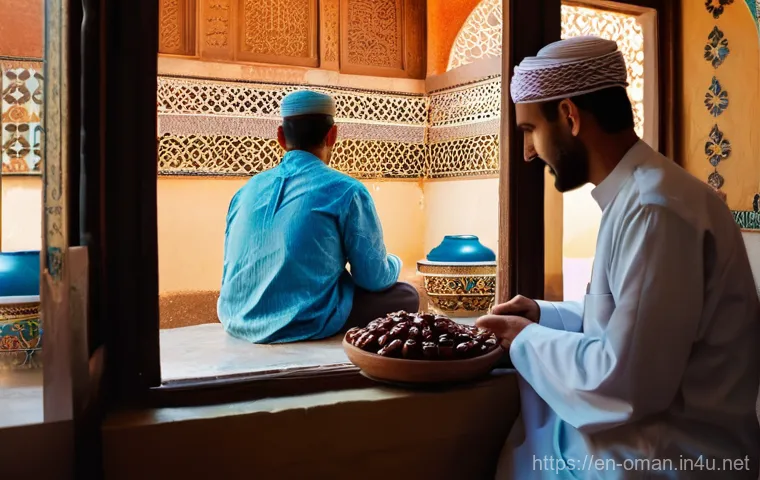
It’s usually accompanied by fresh, sticky dates, which are incredibly sweet and provide a wonderful contrast to the slightly bitter, aromatic coffee. This simple pairing is a cornerstone of Omani hospitality, offered freely and frequently as a gesture of welcome.
I’ve lost count of how many cups of kahwa I’ve been offered by friendly vendors, each sip a little moment of connection and warmth. It’s a small pleasure, but one that truly deepens your appreciation for the local culture.
Sweet Secrets: Discovering Halwa
Another absolute must-try is Omani halwa. This traditional dessert is unlike anything else you’ve probably tasted. It’s a rich, gelatinous sweet made from sugar, ghee, saffron, rosewater, and often studded with nuts like pistachios or almonds.
The texture is unique – smooth yet slightly chewy – and the flavors are incredibly complex and aromatic. You’ll find it sold in various shops around the souk, often in large, shimmering trays.
Don’t be shy about asking for a sample; vendors are usually proud to offer a taste of their specialty. I’ve tried several variations, and each one has been a delightful surprise, a truly authentic sweet treat that provides a perfect sugary ending to your market adventure.
It’s surprisingly addictive, and I always end up buying a small tub to bring home, though it never lasts long!
Navigating the Labyrinth: Insider Tips for a Seamless Souk Adventure
Venturing into an Omani souk, especially for the first time, can feel a bit like stepping into a beautiful, chaotic labyrinth. But don’t let that intimidate you!
With a few insider tips, your experience will be smooth, enjoyable, and utterly unforgettable. I’ve learned through trial and error that timing can make all the difference, and understanding local customs goes a long way in ensuring a respectful and rewarding visit.
It’s all about being prepared and open to the unexpected. Embrace the winding paths, the friendly chaos, and the sheer vibrancy of it all. You’ll find that the more you relax and go with the flow, the more enchanting the experience becomes.
Timing is Everything: When to Visit
For the best experience, I’ve found that going in the late afternoon or early evening is absolutely magical. This is when the heat of the day starts to mellow, and the souk truly comes alive.
The lights begin to twinkle, more locals come out to shop, and the atmosphere becomes even more vibrant and bustling. During the day, especially midday, some stalls might be closed for a break, and it can be quite hot, making leisurely exploration a bit challenging.
Conversely, going early in the morning can offer a more peaceful, less crowded experience if you prefer to take your time without the evening rush. Each time of day offers a different charm, but for that quintessential, lively souk experience, the evening is my top pick.
Dress Code and Local Etiquette
Oman is a conservative country, and while they are incredibly welcoming to visitors, dressing modestly is a sign of respect, especially when visiting public places like souks.
For women, this typically means covering your shoulders and knees, and avoiding overly revealing clothing. Light, loose-fitting clothes are perfect for the warm climate.
For men, shorts are generally acceptable, but long trousers are always a good idea. Beyond clothing, remember to always ask for permission before taking photos of people, especially women.
A simple gesture or a polite “May I?” goes a long way. And finally, always approach interactions with a smile and patience. The slower pace of life here is part of its charm, so embrace it and enjoy the unhurried exchanges.
Beyond Souvenirs: Connecting with the Heart of Oman
While the glittering silver, fragrant frankincense, and vibrant textiles are certainly compelling reasons to visit Oman’s traditional markets, I’ve always found that the true magic lies beyond the tangible goods.
It’s in the genuine human connections you forge, the fleeting conversations with local vendors, and the subtle insights you gain into Omani life and culture.
These aren’t just places of commerce; they are vibrant social hubs, pulsating with the everyday rhythms of the community. What truly sticks with me long after I’ve returned home isn’t just the beautiful things I bought, but the genuine warmth of the people, their willingness to share a story, and the sense of camaraderie that permeates these ancient spaces.
Tales from the Traders
I love striking up conversations with the shopkeepers, especially the older ones who have been in the souk for decades. They often have the most incredible stories to tell – tales of their family’s trade, the history of their craft, or even just anecdotes about daily life in Oman.
Many of them speak excellent English and are incredibly patient and friendly. I remember once spending an entire afternoon chatting with a spice merchant, learning about the origins of different frankincense grades and the traditional uses of various local herbs.
These are the moments that truly enrich your travel experience, transforming a simple shopping trip into a profound cultural exchange.
The Unseen Treasures of Human Connection
Ultimately, the most precious keepsakes you’ll carry away from an Omani souk aren’t things you can hold in your hand. They’re the memories of shared laughter, the warmth of a smile, the taste of traditional kahwa offered by a stranger, and the feeling of truly connecting with another person across cultural divides.
It’s the realization that beneath the bustling activity and the vibrant displays, there’s a deep-seated hospitality and a rich human spirit that defines Oman.
So, as you navigate the captivating alleys, remember to look up, smile, and engage. Because it’s in those small, personal interactions that you’ll discover the real, unseen treasures of this extraordinary country.
Wrapping Up Our Souk Journey
And so, as our journey through the intoxicating alleys of Oman’s souks draws to a close, I hope you’ve felt a fraction of the magic that captures me every single time. It’s truly more than just a marketplace; it’s a pulsating heart of culture, history, and human connection, where every scent tells a story and every interaction leaves an imprint on your soul. From the ancient whispers of frankincense to the dazzling sparkle of silver, these traditional hubs offer a tangible link to Oman’s timeless heritage. My deepest wish is that you feel inspired to step into this vibrant world yourself, to bargain with a smile, sip on some fragrant kahwa, and discover your own unique treasures, both tangible and intangible. It’s an adventure for all your senses, and one I promise you won’t soon forget.
Handy Tips for Your Souk Adventure
Navigating the vibrant tapestry of an Omani souk is an absolute delight, but a few well-placed tips can transform your visit from great to unforgettable! I’ve learned these through my own exhilarating (and sometimes hilariously misstep-filled) explorations, and I genuinely want you to have the most authentic and enjoyable experience possible. Think of these as your personal cheat sheet from someone who’s been there, felt the buzz, and brought home a suitcase full of stories and treasures. Trust me, a little preparation goes a long way in truly soaking up the unique atmosphere and making the most of every precious moment amidst the ancient charm.
1. Embrace the Art of Friendly Bargaining
Seriously, don’t be shy about it! Bargaining isn’t just a transaction in Oman; it’s a cherished cultural dance, a friendly give-and-take that vendors genuinely expect and even enjoy. I used to be so hesitant, worried I’d offend someone, but I quickly realized it’s all part of the fun. Start with a warm smile, show genuine interest in the item, and then politely inquire about “the best price.” Remember, it’s about respectful negotiation, not aggressive haggling. Aim to meet somewhere in the middle, and if you can’t agree, a polite “thank you” and walking away often leads to a better offer! It’s all part of the unique souk theater, and engaging in it truly deepens your connection to the local culture.
2. Dress for Comfort and Respect
Oman is a beautiful, traditional country, and showing respect for local customs, especially through your attire, is always appreciated. For women, this means comfortably covering your shoulders and knees – think loose-fitting trousers, skirts, or maxi dresses paired with long-sleeved tops. For men, while shorts are often seen, opting for long trousers is a simple gesture of respect. Light, breathable fabrics are your best friends here, given the often-warm climate. When I first visited, I quickly learned that dressing modestly not only made me feel more comfortable and blended in better, but it also opened doors to more genuine and friendly interactions with locals. It’s a small effort that yields big rewards in terms of cultural appreciation.
3. Time Your Visit Wisely
The time of day you choose to explore can dramatically change your souk experience. My absolute favorite time is the late afternoon or early evening. As the sun begins to set and the day’s heat mellows, the souk truly awakens, buzzing with a magical energy. The lights begin to twinkle, more locals come out to shop, and the aroma of frankincense feels even more potent. It’s an incredibly atmospheric experience! Visiting midday can be very hot, and some stalls might be closed for a siesta. If you prefer a quieter, less crowded pace, an early morning visit can be lovely too, offering a chance to see vendors setting up and experience a more serene side of the market before the rush. Each time has its unique charm, but for pure vibrancy, aim for sundown.
4. Savor the Local Flavors
Don’t just shop; eat and drink! The souk experience is incomplete without indulging in Oman’s culinary delights. My ritual? Finding a cozy spot for a cup of Omani kahwa (spiced coffee) and some juicy dates. It’s the perfect, aromatic pick-me-up after hours of exploration, and often offered as a gesture of hospitality. And you absolutely, positively *must* try Omani halwa. This unique, gelatinous sweet, rich with saffron and nuts, is a national treasure. Don’t hesitate to ask for a sample – vendors are usually eager to share their pride and joy. These small culinary adventures aren’t just about satisfying your taste buds; they’re an integral part of understanding Omani culture and hospitality, adding another delicious layer to your overall souk immersion. My taste buds still dream about that halwa!
5. Allow Yourself to Get (Pleasantly) Lost
Honestly, some of my most memorable souk discoveries have come from simply letting go of my map and allowing myself to wander down an intriguing, unfamiliar alleyway. The beauty of these ancient markets is their labyrinthine nature, where every turn can reveal a hidden gem – a tiny artisan’s workshop, a stunning display of pottery, or a particularly fragrant spice stall. Don’t rush; embrace the meandering. The sheer joy of stumbling upon something unexpected, something not in any guidebook, is unparalleled. I’ve found exquisite, unique pieces this way that I never would have discovered sticking to the main paths. It’s an adventure, and the best ones are often unplanned. Just let your curiosity be your guide, and you’ll uncover treasures beyond your wildest imagination.
Key Reminders for Your Visit
To truly unlock the magic of Oman’s souks, remember these essentials: embrace bargaining as a cultural exchange with a smile and respectful demeanor, dress modestly to honor local customs and enhance your interactions, and prioritize a late afternoon or early evening visit for the most vibrant atmosphere. Don’t forget to tantalize your taste buds with Omani kahwa and halwa – they’re as much a part of the experience as the shopping itself. Most importantly, step in with an open heart and mind, ready to connect with the incredible people and immerse yourself in centuries of tradition. It’s not just about what you buy; it’s about the unforgettable stories and connections you’ll make. So, go forth, explore, and let the souk’s timeless charm captivate you completely!
Frequently Asked Questions (FAQ) 📖
Q: What are the absolute must-buy treasures you can find in Oman’s traditional souks, especially Mutrah, and what should I keep an eye out for?
A: Oh, this is where the real fun begins! When you step into a souk in Oman, particularly the legendary Mutrah Souk, you’re truly entering a treasure trove.
It’s not just shopping; it’s an experience, a delightful sensory overload! Personally, I always make a beeline for the frankincense. Trust me, Omani frankincense is renowned globally for its incredible quality, especially the ‘Hoojri’ and ‘Najdi’ grades from the Dhofar region.
You’ll find beautiful resins, fragrant oils, and charming traditional burners (called ‘majmar’) that fill your home with an intoxicating, calming scent.
It’s like bringing a piece of Oman’s ancient soul back with you. I remember getting some beautiful green frankincense tears that still transport me back to the winding alleys of the souk every time I burn them.
Next up, you absolutely cannot miss the Omani silver jewelry. The craftsmanship here is just breathtaking, often intricate and truly unique. Look out for the iconic khanjar (the traditional Omani dagger), often sold as stunning decorative replicas – a true symbol of national pride.
You’ll also find beautiful necklaces, bracelets, and earrings. And while you’re exploring, keep an eye out for the vibrant textiles – think gorgeous pashminas, intricately embroidered scarves, and even traditional garments like the men’s dishdasha or colorful women’s abayas.
They make for such stylish, authentic souvenirs. And let’s not forget the flavors! My taste buds still tingle thinking about Omani Halwa.
This sweet, gelatinous dessert, often infused with rosewater, saffron, and nuts, is a true taste of Omani hospitality. You’ll find vendors offering samples, and seriously, don’t pass them up!
Beyond these, you’ll discover an incredible array of exotic spices like cardamom and saffron, beautiful pottery, and even handcrafted miniature dhows (traditional sailing vessels).
Each item tells a story, making your purchases not just souvenirs, but cherished memories.
Q: How do you gracefully navigate bargaining in an Omani souk, and what’s the secret to getting a good deal while still being respectful?
A: Ah, bargaining! This is where you get to truly engage with the local culture, and it’s actually one of my favorite parts of the souk experience! Here’s the deal: bargaining isn’t just accepted in Omani souks, it’s pretty much expected, especially in places like Mutrah.
It’s not about being aggressive; it’s about being friendly, patient, and respectful. Think of it as a delightful dance, a friendly negotiation rather than a battle.
My personal strategy? Always start with a warm greeting and a smile. Building a little rapport goes a long way.
Then, when it comes to the price, don’t be shy to make a low initial offer. I usually aim for about 40-50% of their opening price, sometimes even a quarter, just to see where they’re at.
From there, you slowly meet in the middle. It’s a process, so embrace the slower pace – decisions and negotiations in Oman often take a bit of time. And here’s a little insider tip that I’ve found incredibly useful: having physical Omani Rials (OMR) in hand can sometimes help seal a better deal, as it shows you’re ready to buy right then and there.
Currently, 1 OMR is roughly equivalent to 2.63 US Dollars. If you can’t agree on a price, it’s perfectly fine to politely thank them and start to walk away.
Sometimes, the prospect of losing a sale might prompt a vendor to call you back with a better offer. Just remember, for smaller items, say anything less than 1 Omani Rial, bargaining isn’t really necessary.
The key is to enjoy the interaction, show genuine interest, and keep that friendly vibe going. It makes for a much more memorable shopping adventure!
Q: What’s the best time of day or year to really experience an Omani souk like Mutrah without feeling overwhelmed by crowds or the heat?
A: This is such a crucial question for truly enjoying your souk visit! From my own experiences, the absolute sweet spot for exploring Omani souks like Mutrah, particularly to avoid the scorching heat and the heaviest crowds, is definitely during the cooler months, which generally run from November to March.
During this period, the temperatures are beautifully mild, typically hovering around a comfortable 20-25 degrees Celsius, making it perfect for leisurely strolls through those captivating alleys.
As for the best time of day? Hands down, I’d say the evening. As the sun begins to set and the temperatures cool down, the souk truly comes alive!
The atmosphere transforms into something magical – the lights twinkle, the scents of frankincense and spices intensify, and there’s a wonderful buzz of locals and tourists alike.
Most shops typically reopen around 4:00 PM and stay open until about 10:00 PM. It’s a completely different energy than during the day, much more vibrant and engaging.
I remember one evening just getting lost in the sights and sounds for hours, completely captivated. If you’re someone who prefers a quieter, more introspective experience, then visiting in the early morning (around 8:00 AM or 9:00 AM when shops first open) or even in the late afternoon, just before the evening rush, can be lovely.
Many shops observe a midday siesta, closing from around 1:00 PM to 4:00 PM, so planning around that break is smart. Also, aiming for a weekday visit can help you avoid the larger crowds that flock to the souk on weekends and public holidays.
So, pick your poison: a lively, bustling evening or a more serene morning exploration – either way, you’re in for a treat!