Oman. The very name whispers tales of ancient trade routes, formidable forts, and civilizations that have shaped the Arabian Peninsula for millennia. I’ve always been drawn to places where history isn’t just in books, but etched into every stone, every winding alleyway.
And trust me, Oman delivers on that promise like few other places can. It’s not just about seeing old ruins; it’s about feeling the echoes of the past, imagining the lives lived within those very walls, and connecting with a heritage that spans over 5,000 years.
What truly sets Oman apart is how beautifully it blends this profound history with a vision for the future, embracing sustainable tourism and modern experiences that make exploring these treasures even more accessible and meaningful.
From the beehive tombs of Bat, standing as silent witnesses to Bronze Age societies, to the majestic Nizwa Fort with its formidable round tower, every site offers a unique window into Oman’s rich cultural tapestry.
The government, through the Ministry of Heritage and Tourism, is actively investing in preserving these wonders, even enhancing museum content with interactive digital displays to bring history to life for today’s travelers.
I remember my first visit to Bahla Fort, a UNESCO World Heritage site; walking its massive 13-kilometer walls, I felt like I was stepping right into a medieval epic.
It’s moments like those – feeling that tangible connection to centuries gone by – that make Omani historical sites so incredibly captivating. Whether it’s the ancient port city remnants of Al Baleed, crucial to the frankincense trade, or the charming, still-inhabited traditional villages like Misfat Al Abriyeen, you’re in for an authentic, immersive journey.
So, if you’re ready to uncover the secrets of desert empires, walk in the footsteps of ancient traders, and marvel at architectural ingenuity that has stood the test of time, you’ve come to the right place.
We’re going to uncover some of Oman’s most remarkable historical sites and show you exactly why they should be at the top of your travel list!
Stepping Back in Time: Majestic Fortresses of Oman
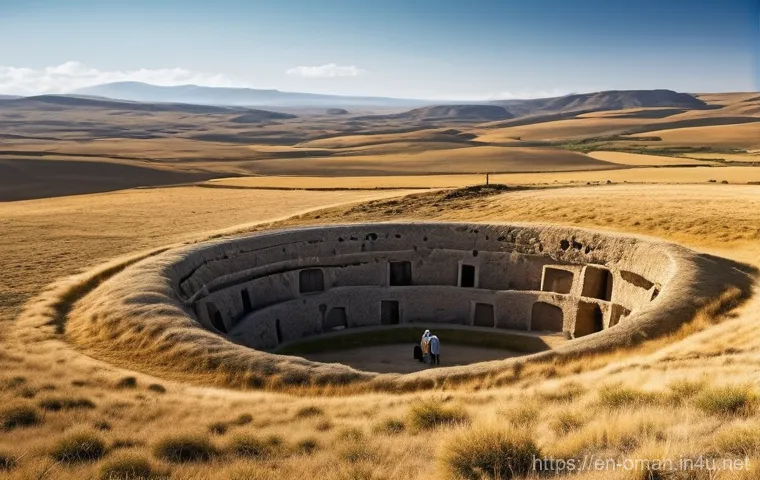
Oh, if walls could talk, the forts of Oman would have a million tales to tell! There’s something truly magnificent about these ancient structures that dot the landscape, each one a testament to Oman’s strategic importance and its people’s resilience.
When I first laid eyes on Nizwa Fort, its colossal round tower dominating the horizon, I was absolutely floored. It wasn’t just a building; it was an experience.
Climbing those winding stairs, designed to deter invaders with false steps and hidden traps, gave me chills. You can almost hear the clanging of swords and the whispers of history echoing through the passageways.
The view from the top, overlooking the ancient city and the lush date palm groves, is simply breathtaking, a panoramic snapshot of centuries. It really makes you appreciate the ingenuity and the sheer effort that went into building these defensive marvels.
And Bahla Fort, a UNESCO World Heritage site, is another beast entirely. Its massive 13-kilometer walls felt like I was walking through a living, breathing medieval epic.
Seriously, I spent hours just exploring its labyrinthine corridors and courtyards, trying to imagine life within those formidable barriers. It’s not just about the architecture; it’s about the stories, the resilience, the sheer human spirit ingrained in every stone.
You feel an immediate, profound connection to the past.
Nizwa’s Enduring Legacy: A Fortress of Power and Culture
Nizwa Fort isn’t just a structure; it’s a symbol of Omani power and a cultural hub that has thrived for centuries. When you walk through its gates, you’re not just entering a fort; you’re stepping into a living museum that pulsates with history.
The fort, dating back to the 17th century, was built over foundations from the 9th century, showcasing layers of history. Its massive cylindrical tower, reaching an impressive 30 meters in height and 36 meters in diameter, is an engineering marvel designed to withstand the most brutal sieges.
Inside, the sheer scale of the rooms, the defensive mechanisms like murder holes for pouring hot date syrup on invaders, and the cleverly designed trapdoors all speak volumes of the strategic minds that planned its construction.
I remember vividly peering through one of those holes, trying to picture the chaos of battle below. It’s an immersive experience that transports you directly into the heart of Omani defense tactics.
Beyond its military prowess, Nizwa also served as a seat of imams and a center for learning and justice, reflecting its deep-rooted importance in Omani society.
The adjacent souq, still bustling today, reinforces this feeling of an unbroken lineage of trade and community life, giving you a full picture of what life was like in its heyday.
Bahla Fort: A UNESCO Gem with Mysterious Lore
Bahla Fort holds a unique mystique, largely due to the local legends of djinns and spirits said to reside within its ancient walls. But beyond the folklore, this sprawling mud-brick fortress, with parts dating back to the 13th century, is an architectural wonder and Oman’s first UNESCO World Heritage site.
Its sheer size is overwhelming, extending over 12 hectares with intricate battlements and watchtowers that once guarded the Bahla Oasis. Exploring Bahla is an adventure; you find yourself wandering through a maze of pathways, imagining the artisans and soldiers who once walked these same grounds.
The restoration efforts, while extensive, have done an incredible job of preserving its authentic feel. When I was there, I tried to imagine the immense effort it must have taken to construct such a massive mud-brick structure, all without modern machinery.
It really puts into perspective the organizational skills and dedication of the people who built it. The fort, along with the adjacent Bahla Oasis, was a vital defensive and agricultural center, controlling critical trade routes.
It’s a place where history isn’t just told; it’s palpable, clinging to every sun-baked brick.
Whispers from the Bronze Age: Uncovering Ancient Mysteries at Bat
Imagine a place where history isn’t just a few centuries old, but stretches back an astonishing five millennia. That’s exactly what you find at the archaeological sites of Bat, Al-Khutm, and Al-Ayn, collectively designated as a UNESCO World Heritage site.
This area is an absolute treasure trove for anyone fascinated by the dawn of civilization. When I first saw the beehive tombs of Bat, standing stoically against the desert backdrop, I felt like I was looking directly into the Bronze Age.
These structures, dating back to the 3rd millennium BC, are incredibly well-preserved and give you a tangible link to ancient societies that were farming, trading, and building complex communities long before many other civilizations flourished.
It’s truly humbling to walk among these silent witnesses to such an ancient past, trying to piece together how these people lived, loved, and organized their lives.
The expertise demonstrated in their construction, using precisely cut stones to create stable, enduring structures, is mind-boggling for their time. It’s not just about seeing old rocks; it’s about connecting with the very roots of human endeavor in this region.
This site, more than any other, deepened my appreciation for Oman’s incredibly rich and often overlooked pre-Islamic history.
The Enigmatic Beehive Tombs: A Glimpse into Early Omani Society
The beehive tombs at Bat are utterly captivating. These circular stone structures, resembling giant beehives, served as burial sites for collective groups and are a remarkable example of early Bronze Age funerary architecture.
What struck me most was the sheer number of them, scattered across the plain, each one telling a story of a community that lived and died here thousands of years ago.
Walking among them, you can clearly see the distinct architectural styles and construction techniques employed by these early inhabitants. The dry-stone masonry, meticulously fitted without mortar, speaks volumes about their advanced understanding of engineering for the period.
Archaeologists have unearthed artifacts within these tombs – pottery, beads, and tools – that provide invaluable insights into their daily lives, their trade networks, and their spiritual beliefs.
It really brings home the idea that this wasn’t a barren land but a vibrant center of early human activity. It challenges your perceptions of ancient Arabia and reveals a sophisticated, organized society that left behind an incredible legacy etched in stone.
Al-Khutm and Al-Ayn: Companion Sites with Distinct Stories
While Bat takes center stage, the nearby sites of Al-Khutm and Al-Ayn offer equally compelling narratives. Al-Khutm features a well-preserved fort that overlooks the plain of tombs, believed to have protected the ancient settlement and its crucial water sources.
Its strategic location reinforces the idea that even in the Bronze Age, defense and resource control were paramount. Just imagining the sentries watching over the oasis from this vantage point adds another layer to the historical tapestry.
Al-Ayn, a short drive away, presents another cluster of beehive tombs, often considered some of the most picturesque due to their dramatic mountain backdrop.
There, the tombs are aligned in a seemingly deliberate pattern, creating an almost ceremonial feel. I remember standing there, bathed in the soft glow of the late afternoon sun, feeling an incredible sense of peace and wonder.
These sites together paint a comprehensive picture of a thriving Bronze Age civilization that was adept at agriculture, trade, and monumental construction, leaving behind an archaeological record that continues to intrigue and inform us about humanity’s earliest steps in this extraordinary part of the world.
The Scent of History: Tracing the Frankincense Route through Al Baleed
The very word “frankincense” conjures images of ancient caravans, exotic markets, and untold riches, and nowhere does this history come alive quite like in Oman’s Dhofar region, particularly at Al Baleed Archaeological Park.
This UNESCO World Heritage site isn’t just a collection of ruins; it’s the ghost of a once-thriving port city that was crucial to the global frankincense trade for centuries.
When I visited, I was completely captivated by the sprawling site, located right on the coast. You can walk through the remains of what was once a bustling port, seeing the foundations of grand mosques, residential areas, and fortifications.
The sheer scale of the city and its direct connection to the famed Frankincense Land Museum on site really helped me visualize its past glory. It truly made me appreciate how vital this aromatic resin was to the ancient world – used in religious ceremonies, medicines, and perfumes, essentially acting as the “liquid gold” of its time.
The salty air, the sound of the waves, and the vastness of the ruins paint a vivid picture of a bustling metropolis at the crossroads of ancient trade.
It’s a powerful reminder of Oman’s pivotal role in connecting East and West.
Al Baleed Archaeological Park: A Coastal Trading Empire
Al Baleed was, without a doubt, a powerhouse. From the 8th to the 16th century, it served as a major international trading port, connecting lands as far as China, India, and East Africa through the exchange of frankincense and other goods.
The site itself is incredibly well-preserved, showcasing the intricate urban planning of its time. As I wandered through the remains of the Grand Mosque, I could almost hear the call to prayer echoing through the centuries.
The foundations of thousands of houses, the elaborate water systems, and the imposing city walls all speak of a highly organized and prosperous society.
What truly made the experience for me was the open-air museum component and the Frankincense Land Museum, which is right there on the site. The museum offers fantastic interactive displays and artifacts that bring the history to life, from ancient trade maps to samples of frankincense and its uses.
It contextualizes everything you see on the ground, making the historical narrative so much richer and more engaging. This blending of physical ruins with modern interpretative displays is exactly what helps history truly resonate with visitors.
The Frankincense Land Museum: Unraveling the ‘Gold’ of Oman
Adjacent to the archaeological park, the Frankincense Land Museum is an absolute must-visit to fully grasp the significance of Al Baleed. It’s not just a collection of artifacts; it’s a meticulously curated journey through the history of frankincense itself, from its cultivation and harvesting in the Dhofar region to its extensive trade routes across the ancient world.
I was particularly fascinated by the exhibits detailing the different grades of frankincense and their various uses, from perfumes and cosmetics to ancient medicines and religious rituals.
The museum does an excellent job of showcasing how this resin shaped the economy, politics, and culture of the region for millennia. It truly puts into perspective why Al Baleed grew to be such a wealthy and influential city.
Learning about the process of tapping the trees, collecting the resin, and then preparing it for trade really deepened my appreciation for this unique natural resource.
It’s one thing to hear about frankincense, but it’s another entirely to see the tools, the processes, and the historical impact presented so clearly. This museum is an essential companion to exploring the ruins, providing the narrative that makes the stones speak.
Beyond the Sands: Exploring Oman’s Enduring Traditional Villages
While Oman’s forts and ancient cities often grab the spotlight, there’s an equally enchanting side to its historical fabric: the traditional villages, many of which are still inhabited and offer an incredible glimpse into a way of life that has resisted the march of time.
One of my absolute favorites is Misfat Al Abriyeen, nestled high in the Al Hajar Mountains. Walking through its narrow, winding alleys, with mud-brick houses clinging to the mountainside and lush date palm plantations terraced below, feels like stepping into a postcard from another era.
The cool mountain air and the gentle trickle of the *falaj* (ancient irrigation system) are so incredibly serene. It’s not a museum piece; it’s a living, breathing community where generations have lived in harmony with their environment.
The hospitality of the locals, the scent of traditional Omani coffee, and the sheer beauty of the landscape create an unforgettable, authentic experience.
These villages are a testament to the Omani people’s deep connection to their land and their heritage, and honestly, they were some of the most genuinely heartwarming places I visited.
Misfat Al Abriyeen: A Mountain Oasis Frozen in Time
Misfat Al Abriyeen is a marvel of traditional Omani architecture and sustainable living. Perched dramatically on a mountain slope, its stone and mud-brick houses blend seamlessly with the rugged terrain.
What makes Misfat so captivating is its ingenious *falaj* system, a UNESCO-recognized ancient irrigation network that channels water from mountain springs to nourish its terraced fields and date palm groves.
This system has sustained life here for centuries, allowing the villagers to cultivate a vibrant oasis in a harsh environment. When I walked through the village, following the *falaj* channels, I was amazed by the cleverness of it all – how water is distributed fairly, how every drop is utilized.
The narrow pathways, shaded by overhanging houses, lead you past intricately carved wooden doors and small, intimate courtyards. It’s a place where time seems to slow down, and you can truly appreciate the tranquility and the enduring community spirit.
Many of the old houses now offer guesthouse experiences, which I highly recommend for a truly immersive stay. Waking up to the sounds of village life and the scent of the mountains is an experience you won’t soon forget.
Preserving Heritage: Other Hidden Gems of Omani Village Life
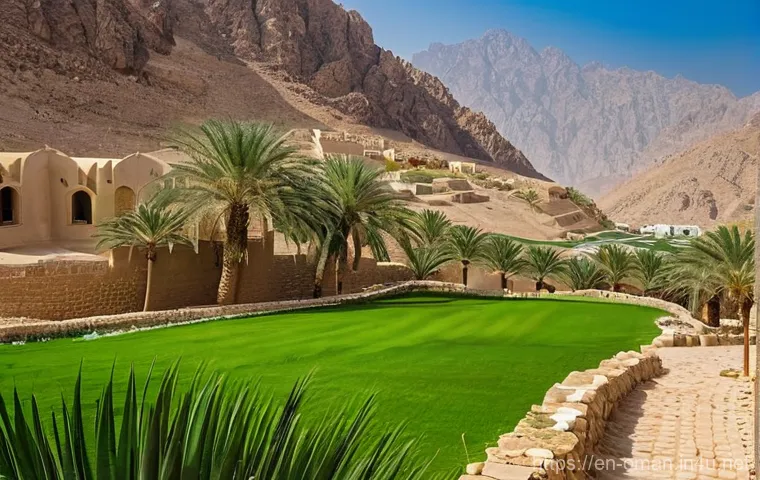
Beyond Misfat, Oman is dotted with countless other traditional villages that offer unique insights into its heritage. Take the villages around Al Hamra, for instance, with their crumbling mud-brick houses that have been lovingly restored or preserved as living museums.
The House of Safah, a 300-year-old mud-brick house in Al Hamra, offers visitors a chance to see traditional Omani life firsthand, with women demonstrating age-old crafts like grinding flour and baking bread.
These experiences aren’t just educational; they’re incredibly personal and engaging. Another fascinating aspect is the resilience of these communities.
Despite modernization, many villagers continue to uphold their traditions, from their architecture to their farming practices. This commitment to heritage ensures that these invaluable pockets of history continue to thrive and offer future generations a direct link to their past.
Exploring these smaller, less-frequented villages often leads to unexpected encounters and truly authentic interactions, providing a deeper understanding of the country’s rich cultural tapestry.
It’s in these quiet corners that you really feel the heart of Oman.
Coastal Echoes: Maritime Heritage and Ancient Ports
Oman’s identity isn’t just shaped by its deserts and mountains; its long coastline has played an equally crucial role, connecting it to vast maritime trade networks for millennia.
The echoes of ancient seafaring adventures resonate strongly in places like Sur and the archaeological sites near Salalah. I’ve always been drawn to the sea, and seeing how deeply intertwined Oman’s history is with maritime exploration was genuinely fascinating.
Imagine dhows, those iconic wooden sailing vessels, setting sail from Omani ports centuries ago, laden with frankincense, spices, and textiles, heading for distant shores.
This tradition isn’t just a relic of the past; it’s still alive in places like Sur, where traditional dhow building continues today. Walking along the waterfront, seeing these majestic wooden ships being crafted by hand using techniques passed down through generations, is a truly incredible sight.
It’s a living testament to Oman’s enduring legacy as a seafaring nation, a place where the rhythmic lapping of the waves against the shore has witnessed countless departures and arrivals.
The coastal sites offer a different flavor of history, one intertwined with global connections and adventurous spirits.
Sur: The Enduring Legacy of Omani Seafaring
Sur isn’t just a picturesque coastal town; it’s a living museum of Oman’s maritime prowess. For centuries, Sur was a major center for trade and navigation, its dhows sailing across the Indian Ocean, reaching Africa, India, and beyond.
What makes Sur so special today is that this tradition hasn’t died out. You can visit the dhow building yards and witness master craftsmen meticulously constructing these magnificent wooden vessels using methods that have remained largely unchanged for hundreds of years.
The scent of wood and tar fills the air, and the rhythmic sounds of hammering and sawing are a mesmerizing symphony. It’s an almost spiritual experience to see the skill and dedication involved in creating something so grand from raw timber.
It gives you an incredible appreciation for the sailors and shipbuilders of the past who navigated vast oceans with these very vessels. Beyond the shipyards, the city’s old lighthouse and the ruins of ancient defensive structures tell tales of a vibrant port constantly watchful over its treasures and trade routes, reminding you of its historical significance.
Qalhat: A Lost City of Coastal Splendor
While often overshadowed by more accessible sites, the ancient city of Qalhat (or Kaylat) stands as another poignant reminder of Oman’s maritime past.
Designated a UNESCO World Heritage site, this once-thriving port city played a crucial role in the Indian Ocean trade during the 13th to 15th centuries.
Although much of it lies in ruins today, the remains of its magnificent Great Mosque and residential areas hint at a prosperous and culturally rich urban center.
The site’s strategic location along the coast, coupled with its natural harbor, made it a vital stop for merchants traveling between East Africa, the Arabian Gulf, and India.
When I explored what’s left of Qalhat, I felt a deep sense of connection to those ancient mariners and traders who once walked these very grounds. It’s a place that whispers stories of global connectivity and cultural exchange long before the modern era.
The ongoing archaeological work at Qalhat continues to uncover new layers of its history, further solidifying Oman’s reputation as a historical maritime powerhouse and offering glimpses into its dynamic past.
| Historical Site | Location | Key Features | UNESCO World Heritage Site? |
|---|---|---|---|
| Nizwa Fort | Ad Dakhiliyah Region | Colossal round tower, defensive mechanisms, panoramic views | No (but part of tentative list) |
| Bahla Fort | Ad Dakhiliyah Region | Massive mud-brick fortress, extensive walls, local legends | Yes |
| Archaeological Sites of Bat, Al-Khutm and Al-Ayn | Ad Dhahirah Region | Bronze Age beehive tombs, ancient settlement remains | Yes |
| Al Baleed Archaeological Park | Dhofar Region (Salalah) | Ancient port city ruins, Frankincense Land Museum | Yes |
| Misfat Al Abriyeen | Al Hajar Mountains | Traditional mountain village, *falaj* irrigation, mud-brick houses | No (but part of tentative list for *falaj*) |
A Deeper Dive: The Archaeological Wonders that Shaped Oman
Oman’s historical depth isn’t just about its famous forts and cities; it’s also embedded in countless smaller, yet equally significant, archaeological sites that speak volumes about human habitation and ingenuity over millennia.
These less-traveled paths often lead to the most profound discoveries, revealing layers of human activity stretching back to the Stone Age. What I’ve learned from exploring these sites is that Oman wasn’t just a transit point; it was a cradle of civilization in its own right, developing unique cultures and technologies that left an indelible mark on the region.
From ancient petroglyphs etched into mountain faces to scattered ruins of forgotten settlements, each site tells a piece of a much larger, compelling story.
It’s these subtle hints and tangible remnants of ancient lives that truly make Oman an archaeologist’s dream and a history enthusiast’s paradise. Diving into these lesser-known wonders gives you a more complete, nuanced understanding of how diverse and enduring human presence has been in this extraordinary land.
Petroglyphs and Prehistoric Art: Messages from the Distant Past
Imagine stumbling upon art created thousands of years ago, etched into rocks by prehistoric hands. That’s the experience you can have in various parts of Oman, particularly in areas like Wadi Sahtan and the Al Hajar Mountains, where ancient petroglyphs abound.
These rock carvings depict animals, human figures, hunting scenes, and abstract symbols, offering invaluable insights into the daily lives, beliefs, and artistic expressions of early Omani inhabitants.
When I saw some of these carvings, it felt like a direct communication from a bygone era, a silent message from people who lived in a vastly different world.
Interpreting these images, trying to understand their purpose – whether ritualistic, narrative, or commemorative – is an incredibly stimulating mental exercise.
They serve as a powerful reminder that human creativity and the desire to leave a mark are timeless. These sites, often in remote and stunning natural settings, combine adventure with historical discovery, making for a truly unique and enriching experience that you won’t find in many other places.
Lost Settlements and Unsung Heroes: Uncovering Omani Ingenuity
Beyond the grand fortresses and well-known archaeological parks, Oman is dotted with numerous smaller archaeological sites that continue to yield fascinating discoveries.
These often represent lost settlements, ancient watchtowers, or sophisticated *falaj* systems that supported communities in seemingly impossible environments.
For instance, the archaeological remains at Salut, often referred to as a pre-Islamic capital, offer clues about early Omani kingdoms and their complex social structures.
Although not as visually imposing as a fully restored fort, the expert work of archaeologists in uncovering and interpreting these sites reveals the depth of Omani history.
It’s in these unsung places that you begin to appreciate the sheer ingenuity of people adapting to harsh landscapes, building sustainable societies, and developing advanced systems for water management and defense.
Each unearthed pottery shard or foundation stone adds another piece to the intricate puzzle of Oman’s past, demonstrating that the country’s historical narrative is far richer and more complex than initially meets the eye.
Concluding Thoughts
Whew! What a journey, right? From colossal forts echoing with battles of old to the quiet, ancient whispers among Bronze Age tombs, and the salty breeze carrying tales of frankincense trade, Oman truly holds a universe of history within its borders. Every corner you turn, every stone you touch, it feels like the past is just breathing down your neck, eager to share its secrets. My time exploring these incredible sites wasn’t just a trip; it was an immersive dive into the very soul of a nation that has so much more to offer than just stunning landscapes. It’s a land where heritage isn’t just preserved in museums, but lived and breathed every single day. I genuinely hope my adventures inspire you to carve out your own path through Oman’s magnificent past!
Useful Information to Know
1. Respect Local Customs: Oman is a conservative Muslim country. When visiting historical sites, especially religious ones or traditional villages, dress modestly. This means covering your shoulders and knees. Women might also consider carrying a headscarf, though it’s often not strictly required outside of mosques. It really shows respect and helps you blend in more.
2. Stay Hydrated and Sun Protected: The Omani sun can be intense, even in winter. Always carry plenty of water, wear a wide-brimmed hat, sunglasses, and use high-SPF sunscreen. Trust me, you don’t want to get heatstroke when you’re halfway up a fort!
3. Hire a Local Guide for Deeper Insights: While exploring independently is fun, a local guide can bring these ancient sites to life in a way a guidebook simply can’t. They’ll share fascinating anecdotes, local legends, and historical nuances that you’d otherwise miss. Plus, supporting local guides directly benefits the communities preserving these treasures.
4. Plan Your Visits Strategically: Many sites, especially forts, have limited shaded areas. Try to visit during the cooler parts of the day – early mornings or late afternoons – to truly enjoy your exploration without battling the midday heat. Also, check opening hours in advance, as they can sometimes vary.
5. Embrace the Unexpected: While planning is good, some of the most memorable experiences come from spontaneous detours. Strike up conversations with locals (many speak English!), try traditional Omani coffee, and don’t be afraid to venture slightly off the beaten path (safely, of course!) to discover your own hidden gems. That’s where the real magic happens.
Key Takeaways
Alright, history buffs and wanderlusters, let’s quickly recap some of the biggest takeaways from our deep dive into Oman’s incredible past. First off, Oman isn’t just about modern luxury; it’s a living, breathing tapestry woven with millennia of stories. From the imposing defensive structures like Nizwa and Bahla Forts, which practically pulsate with tales of resilience and strategic genius, to the almost otherworldly Bronze Age beehive tombs of Bat, you’ll find a tangible link to ancient civilizations that were far more advanced than many realize. These sites offer a powerful testament to the ingenuity and enduring spirit of the Omani people. Then there’s the coastal heritage, epitomized by Al Baleed and the dhow-building traditions of Sur, reminding us of Oman’s pivotal role in global trade and maritime exploration for centuries. And let’s not forget those enchanting traditional villages like Misfat Al Abriyeen, showcasing a harmonious way of life that stands as a beautiful example of sustainable living in challenging environments. What really sticks with me is the sheer diversity of Oman’s historical narrative – it’s not just one story, but a rich collection of intertwined sagas of human endeavor, art, trade, and unwavering spirit that truly shape the vibrant country we see today.
Frequently Asked Questions (FAQ) 📖
Q: What exactly makes Oman’s historical sites so different and captivating compared to other ancient destinations I might have visited?
A: Oh, this is such a fantastic question, and one I get a lot! From my own travels, I can tell you that what truly sets Oman’s historical sites apart is this incredible, almost palpable sense of authenticity and a history that doesn’t just exist in dusty books, but lives and breathes around you.
Seriously, when you walk through places like the beehive tombs of Bat, which are over 5,000 years old, it’s not just a collection of ruins; it’s a direct, visceral connection to Bronze Age societies.
You can almost feel the whispers of ancient lives. Unlike some overly commercialized historical spots in other parts of the world, Oman has managed to preserve its heritage with such grace, blending it seamlessly with modern life without sacrificing its soul.
It’s not just about seeing old structures; it’s about feeling the weight of millennia, imagining the vibrant trade routes, and understanding a civilization that truly shaped the Arabian Peninsula.
The sheer scale and ingenuity of sites like Bahla Fort, with its massive walls, genuinely make you feel like you’ve stepped onto a movie set from a bygone era.
It’s an immersive experience that really sticks with you long after you’ve left.
Q: How is Oman ensuring these incredible historical treasures are preserved for future generations, and how does that impact a visitor’s experience?
A: That’s a really important point, and it’s something I deeply appreciate about Oman. The government, particularly through the Ministry of Heritage and Tourism, is incredibly dedicated to preserving these sites, and you can truly feel the benefit as a visitor.
They’re not just letting these wonders slowly erode; they’re actively investing in their conservation, which means when you visit, you’re exploring well-maintained, respectful, and thoughtfully presented historical landscapes.
I’ve personally seen how they’ve enhanced museum content at various forts and sites, often incorporating interactive digital displays. This isn’t just about making things look pretty; it’s about bringing the history to life in an engaging way for today’s travelers, enriching your understanding without overwhelming you.
What this means for your experience is that you get to explore these ancient places with a sense of ease and genuine discovery. You’ll find informative signboards, often excellent visitor facilities, and a clear sense that these sites are treasured.
It allows you to delve deeper into the stories without worrying about neglect or disrespectful commercialization, which, for me, really elevates the entire journey.
It makes you feel like you’re part of a shared effort to appreciate and protect human history.
Q: For someone visiting Oman’s historical sites for the first time, which ones would you absolutely recommend as “must-sees” to get a true feel for its ancient legacy?
A: Oh, if you’re just starting your Omani historical adventure, I’ve got a few top picks that truly capture the essence of its ancient legacy! First up, you absolutely cannot miss Nizwa Fort.
Standing majestically with its formidable round tower, it’s a powerhouse of Omani military architecture and history. Walking through its corridors, you can almost hear the echoes of defenders and visualize the strategic importance it held for centuries.
It gives you such a strong sense of the region’s historical might. Then, I’d steer you towards Bahla Fort, a UNESCO World Heritage site. This place is just enormous, with its impressive 13-kilometer walls.
Seriously, strolling along those ramparts made me feel like I was starring in my own epic historical drama! It’s a testament to ancient Omani engineering and truly transports you back in time.
And for a taste of ancient trade and coastal history, a visit to the remnants of Al Baleed in Salalah, crucial to the frankincense trade, offers a completely different, yet equally fascinating, perspective.
Finally, for a touch of living history, I’d recommend carving out time for a traditional village like Misfat Al Abriyeen. It’s still inhabited and beautifully maintained, giving you a tangible connection to how Omani life has evolved while preserving its roots.
These sites, from my own experience, offer a fantastic starting point to truly understand and appreciate the depth of Oman’s incredible heritage.