Hey there, fellow explorers and culture enthusiasts! If you’ve been following my adventures, you know I’m always on the lookout for truly authentic experiences that resonate deep in the soul.
And let me tell you, stepping into the vibrant tapestry of Oman’s Islamic rituals? It’s been nothing short of transformative. From the moment the melodic call to prayer echoes across the stunning landscapes, you instantly feel a profound spiritual rhythm that pulses through daily life here.
It shapes everything from the architectural marvels of their mosques to the warmth and incredible generosity you experience in every family gathering.
I’ve personally felt the serene calm during those quiet prayer times and witnessed the incredible sense of community and unity during events like Ramadan, a period of deep reflection and shared joy that even visitors can respectfully observe and appreciate.
What strikes me most is how this beautiful blend of ancient traditions and a deeply tolerant, welcoming spirit continues to thrive and evolve in our modern world, truly setting Oman apart and offering a unique cultural journey.
If you’re curious about how faith beautifully intertwines with everyday living in this captivating Sultanate, get ready to dive deep; I’ll tell you all about it!
The Melodic Tapestry: Daily Calls to Prayer
The first thing that truly captivated me about Oman, and something I’ve come to deeply cherish, is the ethereal sound of the *adhan*, the Islamic call to prayer.
It’s not just a sound; it’s the very heartbeat of the country, five times a day, weaving its way through cities, mountains, and desert dunes. I remember my first morning here, waking up to that incredibly soulful echo, feeling an immediate sense of peace wash over me.
It’s a reminder, a gentle beckoning, that transcends language and culture, inviting everyone, regardless of their beliefs, to pause and reflect. This isn’t merely a religious observance; it’s a profound cultural touchstone that marks the rhythm of life.
You’ll notice the pace of things shifts, shops might briefly close, and locals find quiet moments for reflection. It creates a serene continuity that’s both ancient and utterly present in the modern world.
It’s an experience that truly connects you to the spiritual pulse of Oman.
The Soulful Echo Across the Sultanate
From the bustling souqs of Muttrah to the serene wadis tucked away in the Hajar Mountains, the call to prayer is an ever-present, guiding sound. What strikes me is how beautifully it carries, a melody that feels deeply ingrained in the very landscape.
It’s not just a public announcement; it’s a living tradition that locals respond to with a quiet reverence. I’ve personally seen the way conversations gracefully subside, and people instinctively turn towards the direction of prayer, even if they aren’t performing it themselves.
It’s a collective, unspoken acknowledgment of something sacred, a powerful testament to the deep-seated faith that permeates every aspect of Omani society.
It really makes you appreciate the cultural fabric here, how an ancient practice continues to shape the contemporary experience so profoundly and gracefully.
It’s definitely one of those sensory experiences that will stay with you long after you’ve left.
A Rhythmic Pause in Daily Life
For visitors like us, observing these moments provides such a unique window into Omani life. I’ve often found myself, during my travels here, simply stopping to listen, letting the melodic tones wash over me.
It’s an organic pause in the day, a moment for introspection that frankly, we often miss in our fast-paced lives back home. Even if you don’t share the faith, the sheer power and beauty of the *adhan* are undeniable.
It transforms the atmosphere, bringing a calming stillness to even the busiest of places. I’ve noticed how this rhythmic structure fosters a sense of discipline and mindfulness among the Omani people, a quiet strength that manifests in their incredibly welcoming and patient demeanor.
It’s a beautiful example of how faith can create a deeply rooted sense of community and purpose, one that I’ve found incredibly inspiring to witness firsthand.
Ramadan’s Embrace: A Month of Spiritual Renewal
Experiencing Ramadan in Oman was, without a doubt, one of the most enriching cultural journeys I’ve ever embarked on. While I, as a visitor, wasn’t observing the fast myself, the palpable atmosphere of reflection, generosity, and community spirit was truly transformative.
The entire country takes on a different rhythm, a slower, more contemplative pace during the day, culminating in vibrant energy after sunset. It’s a month dedicated to deep spiritual cleansing, self-discipline, and drawing closer to one’s faith.
But it’s also a time of incredible unity and shared humanity, where the focus shifts from individual desires to collective well-being. What truly struck me was the pervasive sense of peace and the genuine warmth extended to everyone, locals and visitors alike.
It’s an unforgettable period that truly highlights the very best of Omani values and traditions, demonstrating a profound spiritual commitment alongside immense social cohesion.
Fasting, Reflection, and Shared Blessings
During Ramadan, from dawn until dusk, Muslims abstain from food, drink, and other physical needs. It’s far more than just going without sustenance; it’s an exercise in self-control, empathy, and spiritual focus.
I watched as people approached their daily tasks with incredible patience, their faces reflecting a quiet determination. This period of fasting is meant to foster gratitude, remind individuals of the less fortunate, and encourage charity.
The air itself seems to hum with a unique kind of energy – a blend of anticipation for the breaking of the fast and a deep sense of shared devotion. It’s a powerful demonstration of faith in action, a time when personal sacrifice translates into collective strength and spiritual growth for the entire community.
You can truly feel the change in the atmosphere, a quiet reverence that gently envelops the whole nation.
Iftar Gatherings: A Taste of Omani Togetherness
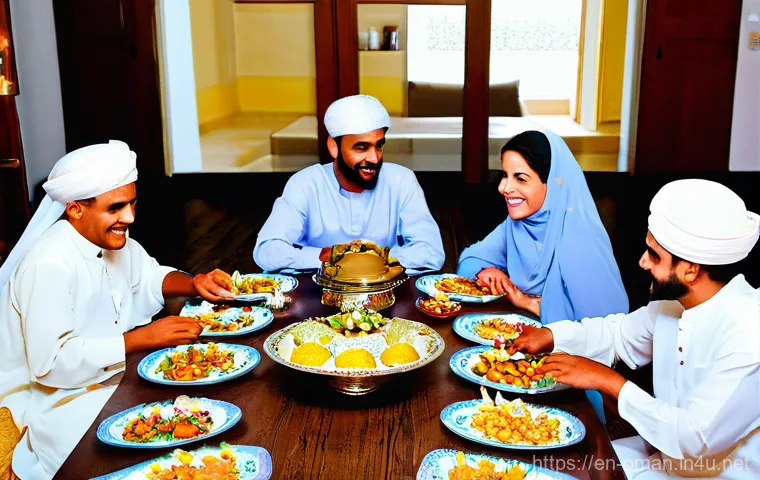
And then, as the sun dips below the horizon, the magic truly begins with *Iftar*, the breaking of the fast. This is when families and friends gather, often in large, joyous groups, to share a meal together.
The moment the *adhan* sounds, signaling the end of the fast, there’s a collective sigh of relief and a rush of gratitude. I was incredibly fortunate to be invited to an Omani family’s *Iftar*, and it was an experience I’ll never forget.
The tables were laden with delicious dates, fresh juices, traditional Omani dishes, and an abundance of warmth and laughter. It wasn’t just about the food; it was about the shared bond, the storytelling, and the incredible generosity of spirit.
The hospitality was overwhelming, a true testament to the Omani way of life. These gatherings are a cornerstone of Ramadan, fostering immense community spirit and a deep sense of belonging, making everyone feel like part of the family.
Beyond the Prayer Mat: Islamic Ethics in Everyday Omani Life
What has consistently impressed me about Oman is how deeply Islamic ethics are interwoven into the fabric of everyday life, extending far beyond the formal rituals of prayer.
It’s not just something reserved for the mosque; it’s a living philosophy that shapes interactions, defines community values, and influences the very character of the people.
From the moment you step foot in Oman, you’re enveloped in a culture of immense respect, genuine hospitality, and an almost inherent sense of fairness.
I’ve personally experienced countless acts of kindness, from strangers offering help with directions to shopkeepers insisting on sharing tea. It’s clear that principles like generosity, honesty, and compassion aren’t just abstract ideas here; they are the guiding lights for daily conduct, creating a society that feels remarkably harmonious and welcoming to everyone.
This deep-seated ethical framework truly makes Oman a uniquely profound place to visit and understand.
Generosity Woven into the Fabric of Society
Omani generosity, or *karam*, is legendary, and I can tell you firsthand, it’s not an exaggeration. It’s a value deeply rooted in Islamic teachings, emphasizing the importance of sharing one’s blessings with others.
I’ve been offered coffee (*kahwa*) and dates in homes, shops, and even random roadside stops – not as a transaction, but as a pure expression of hospitality.
This isn’t just about grand gestures; it’s in the everyday interactions, the willingness to share what little one has, and the genuine joy derived from making a guest feel welcome.
This ethos extends to charity (*zakat* and *sadaqah*), which is an integral part of life. You’ll often see quiet acts of giving and support for those in need, reflecting a communal responsibility that is truly heartwarming.
It truly makes you feel embraced, not just as a tourist, but as a valued guest in their beautiful country.
The Virtue of Humility and Respect
Another striking aspect is the profound sense of humility and respect that permeates Omani society. This is evident in how people interact with elders, how they speak to strangers, and even in their posture and demeanor.
There’s a quiet dignity that comes from valuing modesty and respecting others’ boundaries. I’ve noticed that direct confrontation is generally avoided, with a preference for gentle persuasion and maintaining harmony.
This respect extends to the environment and even animals, reflecting a holistic approach to life that values all of creation. It’s a truly refreshing contrast to some of the more individualistic cultures I’ve encountered.
This deep respect fosters a peaceful and inclusive atmosphere, making Oman an incredibly safe and pleasant place to explore, where you always feel treated with grace and consideration.
Feast and Fellowship: Celebrating Eid with Omani Families
If you thought Ramadan was special, wait until you experience Eid! Following the month of fasting, Eid al-Fitr erupts in a burst of joy, celebration, and communal feasting.
It’s like the entire nation lets out a collective cheer, filled with gratitude and merriment. The atmosphere is electric, a beautiful culmination of spiritual reflection transforming into outward celebration.
I was fortunate enough to be in Oman during Eid al-Fitr, and it was an absolutely unforgettable experience of true Omani joy and fellowship. The streets come alive, homes are adorned, and the air is thick with the scent of delicious food and the sound of laughter.
It’s a time for family, forgiveness, and immense generosity, where the spirit of togetherness shines brightest. Honestly, if you want to see Omani culture at its most vibrant and heartfelt, try to plan your visit around Eid – it’s an explosion of pure happiness.
Joyful Reunions and Traditional Delights
Eid al-Fitr kicks off with special morning prayers, after which the festivities truly begin. Families, often dressed in new, traditional attire, visit relatives and friends, exchanging greetings and gifts.
I remember seeing children, dressed in their finest, running around with huge smiles, clutching their *Eidiya* – gifts of money from elders. The food, oh, the food!
Omani kitchens churn out an incredible array of traditional sweets, savory dishes like *shuwa* (slow-cooked marinated lamb), and platters of fresh fruits and nuts.
It’s a sensory overload in the best possible way. Each household becomes a hub of activity, with endless cups of *kahwa* and plates of dates being offered.
It’s a time for warmth, connection, and simply enjoying the company of loved ones, reinforcing the strong family bonds that are so central to Omani society.
The Spirit of Giving: Gifts and Good Deeds
Beyond the feasting and merriment, Eid is also a profound reminder of the importance of charity and compassion. Before Eid prayers, it’s customary for Muslims to give *Zakat al-Fitr*, a mandatory donation to the poor, ensuring that everyone can partake in the celebrations.
This act of giving underscores the collective responsibility and solidarity that define the Islamic faith in Oman. Throughout the day, people exchange gifts, share food with neighbors, and make an extra effort to visit those who might be alone or less fortunate.
It’s not just about receiving; it’s very much about giving back and spreading joy. This spirit of generosity truly makes Eid a holistic celebration of both spiritual renewal and community welfare, reflecting the deeply ingrained values that make Omani culture so special.
It’s a beautiful demonstration of how a joyous occasion can also be a powerful act of collective kindness.
Architectural Homage: The Grandeur of Omani Mosques
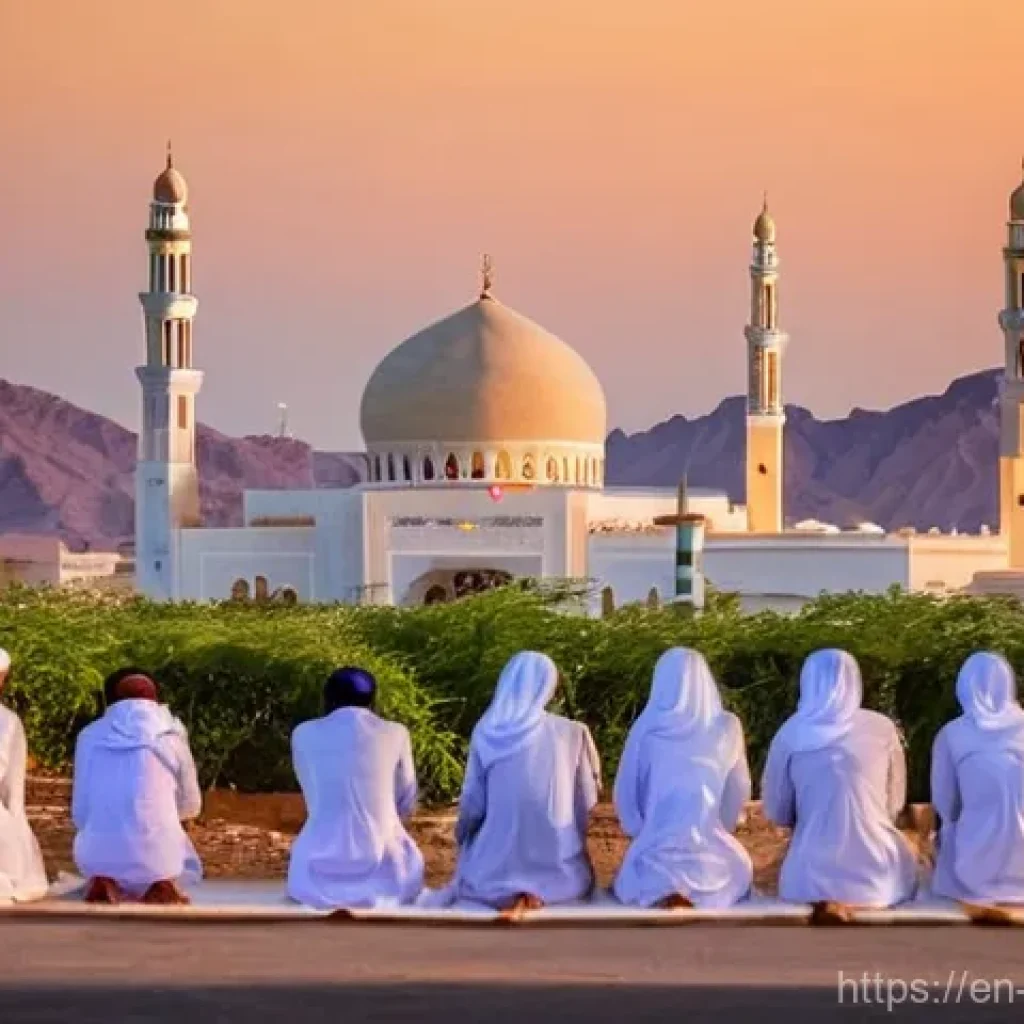
When you travel through Oman, you can’t help but notice the stunning architectural beauty of its mosques. They’re not just places of worship; they are masterpieces of design, reflecting centuries of Islamic art and Omani heritage.
I’ve been absolutely mesmerized by their intricate details, from the delicate calligraphy to the soaring minarets. Each mosque tells a story, blending traditional Islamic elements with unique Omani touches.
They stand as testaments to the country’s profound faith and its rich history, serving as vital centers for both spiritual life and community gatherings.
What’s truly remarkable is how these structures, even the smaller, local ones, emanate a sense of peace and grandeur, drawing you in with their serene presence.
They are truly architectural odes to devotion and cultural identity, leaving an indelible impression on anyone who beholds them.
Sacred Spaces of Stunning Beauty
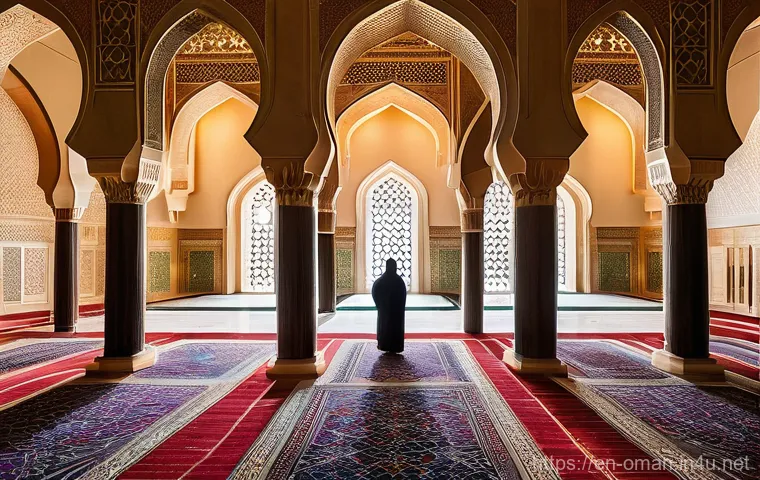
The most iconic, of course, is the Sultan Qaboos Grand Mosque in Muscat, an absolute marvel that I highly recommend visiting. Walking through its majestic halls, under the immense Swarovski crystal chandelier and admiring the exquisite Persian carpet (one of the largest in the world!), you feel a profound sense of awe.
But beyond its sheer scale, it’s the meticulous attention to detail and the serene atmosphere that truly captivates. The peaceful courtyards, the elegant domes, and the intricate tile work all contribute to an experience that is both spiritually uplifting and artistically inspiring.
Even the smaller, neighborhood mosques throughout Oman possess a quiet dignity and aesthetic appeal, often built with local stones and featuring simpler yet equally beautiful designs.
Each structure beautifully blends functionality with breathtaking artistry, providing a truly sacred and visually stunning environment.
More Than Just Buildings: Centers of Community
Omani mosques are far more than just architectural wonders; they are vibrant hubs of community life. Beyond the five daily prayers, they host religious lectures, Quranic studies, and various social gatherings.
I’ve seen firsthand how these spaces foster a strong sense of belonging and support among locals. They serve as places for learning, for seeking guidance, and for simply connecting with fellow community members.
During Ramadan and Eid, their significance amplifies, becoming central to the collective celebrations and acts of charity. The tranquility and beauty of these mosques make them ideal places for reflection, not just for worshipers but for anyone seeking a moment of peace.
They are true living monuments, embodying the spirit of Omani faith and the enduring strength of its community ties.
Embracing the Local Way: Respectful Engagement with Omani Culture
When you travel to Oman, one of the most rewarding parts of the experience is immersing yourself in the local culture. And a huge part of that, for me, has been learning to engage respectfully with their beautiful Islamic traditions.
It’s not about changing who you are, but about being mindful and appreciative of the customs that shape daily life here. From how you dress to how you interact, a little thoughtfulness goes a very long way in showing your respect and truly connecting with the Omani people.
I’ve found that when you make an effort to understand and honor their way of life, you’re met with even greater warmth and openness. It’s all about being a considerate guest in their home, and trust me, the rewards are immeasurable in terms of genuine cultural exchange and unforgettable experiences.
Dressing with Thought: Honoring Local Customs
One of the easiest ways to show respect is through your attire. Oman is a conservative country, and while there’s no strict dress code for tourists, dressing modestly is always appreciated.
For women, this generally means covering your shoulders and knees, and avoiding overly revealing clothing. When visiting mosques, women will be asked to cover their heads as well – a scarf is usually provided or you can bring your own.
For men, shorts that aren’t too short and shirts that cover the shoulders are perfectly acceptable for most casual settings. I’ve personally found that embracing this aspect of cultural etiquette not only helps you blend in but also signals your respect, opening doors to more genuine interactions with locals.
It’s a small adjustment that makes a big difference in how you’re perceived and welcomed.
Mindful Interactions: Navigating Social Etiquette
Beyond dress, there are a few simple social graces that can significantly enhance your experience. Handshakes are common, but if greeting an Omani of the opposite gender, wait for them to extend their hand first.
Always use your right hand when giving or receiving something, including food or money, as the left hand is considered unclean in Islamic culture. When you’re offered *kahwa* (coffee) or dates, accept them – it’s a sign of hospitality and a lovely way to connect.
And always remove your shoes before entering someone’s home or a mosque. I’ve also learned that a simple “Salam alaikum” (peace be upon you) followed by “Shukran” (thank you) goes a long way in building rapport.
These small gestures reflect your appreciation for their culture and lead to truly rich and memorable interactions.
| Common Omani Phrases for Travelers | Meaning | Cultural Context / Tip |
|---|---|---|
| Salam Alaikum | Peace be upon you (Hello) | A universal greeting, always well-received. |
| Wa Alaikum Salam | And peace be upon you (Reply) | The respectful response to “Salam Alaikum.” |
| Shukran | Thank you | Use generously to show appreciation for Omani hospitality. |
| Afwan | You’re welcome / Excuse me | Used as a reply to “Shukran” or to get attention respectfully. |
| Min Fadlak (m) / Min Fadlik (f) | Please | Always polite to use when making a request. |
| Insha’Allah | God willing | Used when talking about future plans or hopes, reflects humility. |
| Mabrook | Congratulations | Used for celebrations like Eid, weddings, or achievements. |
Wow, what an incredible journey we’ve taken through the heart of Oman’s Islamic culture! From the soul-stirring adhan that punctuates daily life to the vibrant celebrations of Eid, and the deeply ingrained ethics that shape every interaction, it’s truly a place that touches your spirit.
I’ve found that engaging with these traditions, even as an outsider, offers such a rich and transformative travel experience. Oman isn’t just a destination you visit; it’s a culture you get to feel, taste, and live, leaving you with memories and perspectives that linger long after you’ve returned home.
It’s truly a testament to how respect and openness can unlock the most profound human connections, something I’ll forever cherish from my time here.
Useful Information for Your Omani Journey
1. The best time to experience Oman’s outdoor wonders and cultural festivals is generally during the cooler months, from October to April. This period offers pleasant temperatures perfect for exploring everything from the bustling souqs to the serene wadis and desert landscapes.
2. Modesty in dress is highly valued and expected throughout Oman, reflecting its deep Islamic roots. For both men and women, covering shoulders and knees is a good rule of thumb in public spaces. Women should carry a headscarf when visiting mosques.
3. Embrace Omani hospitality! Locals are incredibly warm and generous. If you’re invited for coffee (kahwa) and dates, or even a meal, graciously accept. These are moments of genuine cultural exchange you won’t forget. Always use your right hand when giving or receiving items.
4. The Omani Rial (OMR) is the local currency, and while credit cards are widely accepted in major cities, having cash on hand is essential for smaller purchases, local markets, and especially for taxi fares. ATMs are readily available.
5. During the holy month of Ramadan, it is respectful for everyone, including non-Muslims, to refrain from eating, drinking, or smoking in public during daylight hours. Public displays of affection are also generally frowned upon in Oman.
Key Takeaways
Oman offers an unparalleled cultural immersion, built on a foundation of profound Islamic traditions and exceptional hospitality. My personal experience has shown me that approaching this beautiful country with an open heart and a respectful mindset will unlock truly unforgettable moments.
From the rhythm of daily prayer to the joy of shared feasts, every aspect of Omani life is an invitation to connect, learn, and appreciate a culture that values community, generosity, and peace above all else.
It’s a journey that will not only show you incredible sights but also enrich your understanding of the world, and yourself.
Frequently Asked Questions (FAQ) 📖
Q: Okay, so I’m intrigued by the spiritual rhythm you mentioned.
A: s a visitor, how can I truly immerse myself and respectfully observe the Islamic traditions in Oman without feeling out of place? A1: Oh, this is such a fantastic question, and one I get a lot!
What I’ve personally found is that Oman, while deeply rooted in its Islamic faith, is incredibly open and welcoming to visitors. The key, like anywhere else, is respect and a genuine curiosity to learn.
You’ll hear the melodic call to prayer, the Adhan, five times a day, echoing beautifully across the landscape – it’s an experience in itself that instantly connects you to the daily pulse of the country.
I remember the first time I heard it; it just washed over me, a truly serene moment. To respectfully observe, I’d highly recommend visiting the Sultan Qaboos Grand Mosque in Muscat.
It’s an absolute architectural marvel and designed to welcome non-Muslim visitors during specific hours. Just make sure to dress modestly – women should cover their hair, arms, and legs, and men should wear long trousers and shirts.
Inside, you’ll find this incredible calm; you can observe people in prayer, admire the stunning calligraphy and the massive carpet, and simply soak in the atmosphere.
No one ever made me feel out of place; instead, I felt a quiet sense of shared humanity and reverence. You don’t have to participate to appreciate the profound peace it offers.
It’s about being present and allowing yourself to feel the spiritual energy that permeates the space.
Q: You touched upon the warmth and generosity in Omani family gatherings. What’s your take on how faith really shapes that incredible hospitality we hear so much about, and did you have any memorable personal experiences?
A: Absolutely! This is one of the things that truly captured my heart in Oman. The hospitality isn’t just a cultural norm; it feels intrinsically linked to their faith.
There’s a beautiful Islamic teaching about honoring guests, and you feel that spirit alive in every interaction. I’ve been fortunate enough to experience this firsthand.
I vividly recall one afternoon, after a long chat with a local shopkeeper, he insisted I come to his home for coffee and dates. It wasn’t a transactional thing; it was pure, unadulterated generosity.
His family welcomed me as if I were a long-lost friend. We sat on plush cushions, sharing stories over fragrant kahwa (Omani coffee) and the sweetest dates I’ve ever tasted.
There was no pretense, just genuine warmth and an open heart. It’s those moments, sitting across from someone, sharing food and laughter, that you realize how deeply their faith inspires such profound kindness and a desire to connect.
It truly made me feel like I wasn’t just a tourist, but a cherished guest, and it’s an experience that has stayed with me.
Q: Ramadan sounds incredibly special. For those of us who aren’t Muslim, what’s it truly like to be in Oman during Ramadan, and what’s the most impactful way we can appreciate and even partake in its spirit?
A: Oh, Ramadan in Oman is an experience unlike any other, truly magical! While it’s a month of fasting and deep reflection for Muslims, it transforms the entire country with a unique energy that even visitors can feel.
During the day, there’s a quieter, more subdued pace, and it’s essential for non-Muslims to show respect by refraining from eating, drinking, or smoking in public spaces during fasting hours.
I remember feeling a sense of shared anticipation as the sun began to set each evening. That’s when the atmosphere shifts dramatically! The cities come alive after sunset with the breaking of the fast, called Iftar.
Families gather, often in grand community feasts, and the streets buzz with a joyous, communal spirit. One of the most impactful ways to appreciate it is to simply observe the incredible unity and generosity.
If you’re lucky enough to be invited to an Iftar by a local family or even participate in a communal Iftar hosted by a mosque or hotel, absolutely go!
It’s a beautiful experience of shared food, gratitude, and community. Even if you’re not fasting, you can partake in the spirit by respecting the local customs and by enjoying the vibrant evening festivities.
It’s a powerful reminder of how faith can bring people together in celebration and reflection.