You know, living in today’s world, it often feels like we’re constantly bombarded with news about environmental challenges. But what if I told you there’s a nation quietly but powerfully setting a global example for sustainability?
I’m talking about Oman, a place that might surprise you with its incredible dedication to a greener future. From what I’ve seen and researched, it’s truly inspiring how they’re blending their rich heritage with cutting-edge environmental policies, proving that economic growth doesn’t have to come at the expense of our planet.
Just looking at their ambitious Vision 2040, it’s clear they’re not just dreaming about a sustainable future, they’re actively building it, literally from the ground up, with everything from massive solar projects to incredible eco-tourism initiatives.
It really makes you think about what’s possible when a country commits wholeheartedly to protecting its natural treasures and embracing clean energy. This isn’t just about policies and paperwork; it’s about a profound shift that impacts everyone.
They’re not only hitting impressive targets, like aiming for a significant portion of their electricity from renewables by 2030, but also making incredible strides in protecting their stunning natural landscapes, improving waste management, and even becoming a hub for green hydrogen.
It’s truly fascinating to see a nation so strategically position itself for a sustainable and prosperous tomorrow. I’ve personally been following their journey, and the commitment is palpable.
They’re making real, tangible progress that I believe we can all learn from. So, if you’re curious about a success story in environmental stewardship, get ready to dive into some truly exciting developments.
Let’s get into the specifics and explore how Oman is charting a course for an eco-conscious world.
Harnessing the Sun and Wind: Oman’s Renewable Energy Drive
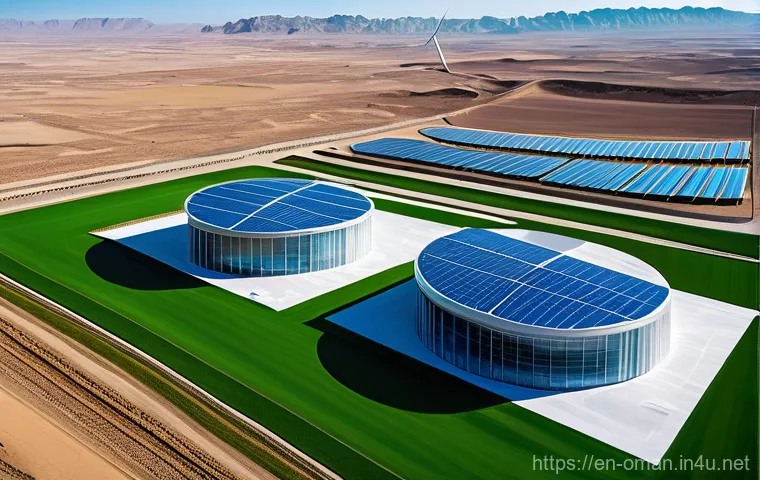
You know, it’s truly amazing to witness how a nation with a rich oil history is now turning its gaze so intently towards the sun and wind. Oman isn’t just dabbling in renewables; they’re fully committing to a future powered by clean energy, and honestly, it’s inspiring.
When I look at their progress, it feels like they’re not just building power plants, but laying the groundwork for a completely new way of life. They’ve really hit the gas, or should I say, *unplugged* the gas, on transforming their energy landscape.
It’s a huge undertaking, but you can see the ambition and the dedication shining through every project. They’re aiming for a significant chunk of their electricity to come from renewable sources by 2030, and seeing the massive solar farms and wind projects come to life, I truly believe they’ll not only hit that target but possibly even exceed it.
This isn’t just about reducing emissions; it’s about smart, long-term economic planning and creating a sustainable future for everyone living in this beautiful country.
It really makes you think about the potential every nation has to redefine its energy story.
Solar Power Takes Center Stage
-
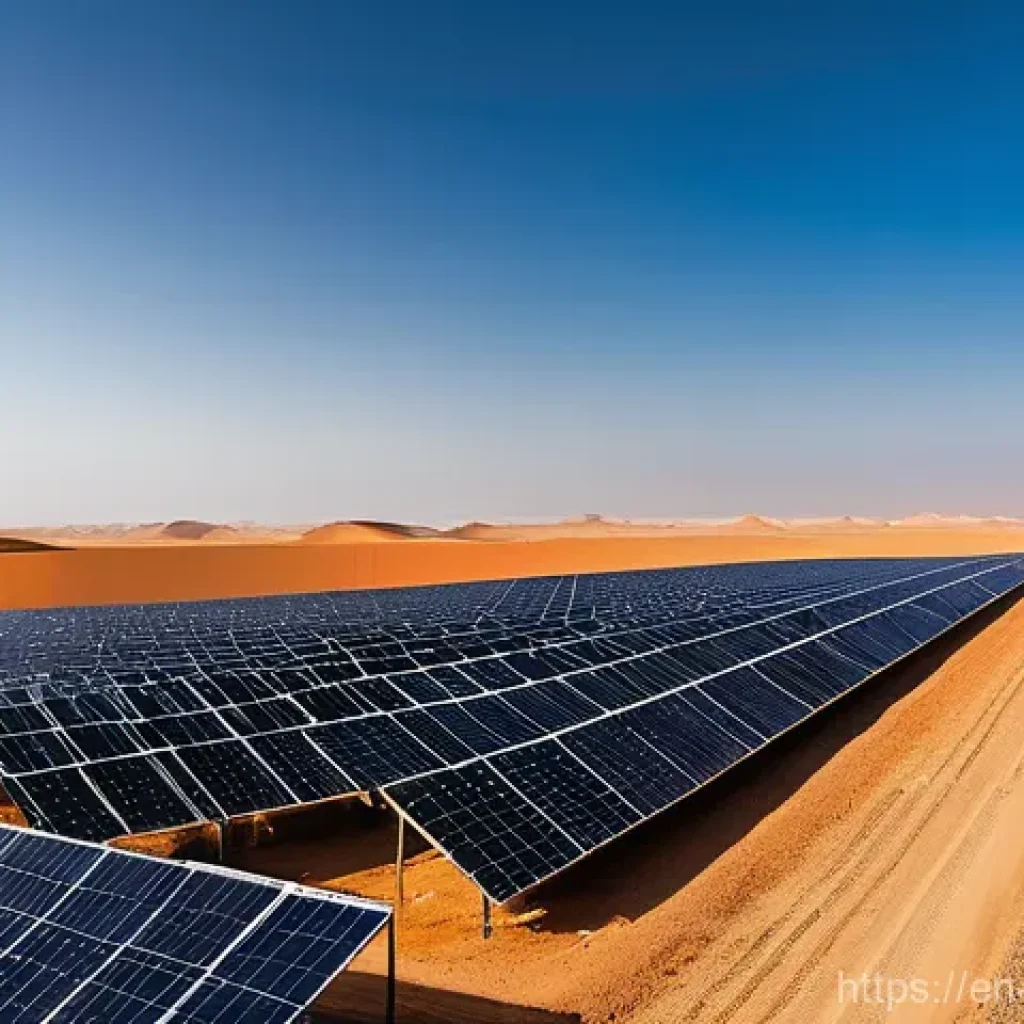
I’ve personally followed the development of large-scale solar projects like the Ibri solar power plant, which is already a significant contributor to their clean energy mix. It’s truly a marvel to see those panels stretching across the desert, silently generating power.
-
And it’s not stopping there! New projects like Manah I and Manah II are slated to add even more gigawatts to the national grid in the coming years, powering tens of thousands of homes and significantly offsetting CO2 emissions.
-
It’s not just utility-scale either; smaller initiatives like ‘Sahim’ are encouraging residents to install solar panels on their own buildings, which I think is a fantastic way to engage the community directly in the energy transition.
Winds of Change: Growing Wind Energy Footprint
-
Beyond solar, Oman is also tapping into its incredible wind resources, particularly in the southern regions like Dhofar. You can practically feel the energy in the air when you’re there.
-
Projects such as the Duqm Wind Farm and other planned wind Independent Power Projects (IPPs) are set to contribute substantially to their renewable energy goals, proving that a diversified approach is key.
-
It’s a smart move to leverage both solar and wind, as they complement each other, ensuring a more stable and reliable supply of clean electricity throughout the year. I’ve noticed a real strategic vision in how they’re approaching this.
Pioneering Green Hydrogen: A Future Fuel Hub
Now, let’s talk about something that truly excites me about Oman’s forward-thinking approach: their massive bet on green hydrogen. It’s not just a buzzword here; it’s a deeply strategic move to position themselves as a global leader in the emerging hydrogen economy.
When you consider their abundant solar and wind resources, vast stretches of land, and excellent access to water for desalination (which is crucial for hydrogen production), it makes perfect sense.
I’ve been following this closely, and the sheer scale of investment and the ambition behind it are genuinely astounding. It feels like they’re building the infrastructure of tomorrow, right now.
This isn’t just about energy; it’s about economic diversification, creating new industries, and ensuring a sustainable future beyond fossil fuels. They’re making it clear that decarbonization isn’t just a goal, but a tangible pathway to new prosperity.
Building the Hydrogen Ecosystem
-
Oman has established Hydrogen Oman (Hydrom), a dedicated entity to spearhead this transition. They’re not just hoping for green hydrogen; they’re actively orchestrating its development from planning to land allocation.
-
I’ve seen reports indicating that they aim to produce over 1 million tons of green hydrogen annually by 2030, with even more ambitious targets for 2040 and 2050. That’s a serious commitment!
-
This involves colossal investments, with figures around $140 billion envisioned for this new low-carbon energy industry. It really underscores the scale of their vision.
Global Partnerships and Innovation
-
It’s not just Oman working in isolation; they’re attracting major international players like BP, Shell, and other consortiums to invest in and develop these large-scale green hydrogen projects. I mean, who wouldn’t want to be part of such a groundbreaking endeavor?
-
These projects aren’t just about production; they’re also focusing on the entire value chain, including infrastructure for exporting hydrogen, often in the form of green ammonia. This foresight is what truly makes them stand out.
Transforming Waste into Opportunity: Embracing a Circular Economy
Let’s be honest, waste management isn’t the most glamorous topic, but Oman is really turning it into a story of innovation and economic opportunity, which I find incredibly clever.
They’re moving away from the old “take-make-dispose” model, which we all know isn’t sustainable, to a much smarter “circular economy” approach. It’s about seeing waste not as an end, but as a beginning – a valuable resource waiting to be reused, recycled, or repurposed.
This shift is deeply embedded in their national vision, and frankly, it’s the kind of proactive thinking every nation should be embracing. I’ve noticed a tangible effort to change mindsets and systems, and it’s making a real difference.
It feels like they’re meticulously planning every step to ensure nothing goes to waste.
From Landfills to Resources
-
The Oman Environmental Services Holding Company (be’ah) is leading this charge, with ambitious goals to significantly reduce reliance on landfills and boost recycling rates. It’s a massive undertaking, but their progress is undeniable.
-
I was particularly impressed to learn about their initiatives in plastic waste recycling, with new facilities planned to process hundreds of metric tons daily. Imagine the environmental impact that will have!
-
They’re also looking at waste-to-energy projects, converting solid waste into electricity and biofuels, which is a fantastic dual-benefit approach. It’s about squeezing every bit of value from what we discard.
Innovating for Resource Efficiency
-
The concept of industrial symbiosis, where waste from one industry becomes a raw material for another, is gaining traction. I think this is brilliant – it’s like a natural ecosystem, but for industries.
-
Beyond traditional recycling, there’s a strong focus on circular agriculture practices, and even things like composting organic waste from businesses and homes, turning it into valuable soil amendments. Every little bit truly helps.
Guarding Nature’s Treasures: Biodiversity and Marine Conservation
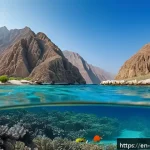
Oman’s natural beauty is breathtaking, from its rugged mountains to its stunning coastlines, and it warms my heart to see how fiercely they are protecting it.
This isn’t just about pretty landscapes; it’s about preserving a rich tapestry of biodiversity that’s incredibly important, not just for Oman but for the world.
Their commitment to marine and terrestrial conservation truly underscores a deep understanding that economic growth cannot come at the expense of our planet’s invaluable ecosystems.
I’ve read about their specific projects and felt a real sense of hope knowing that these natural wonders are being safeguarded for generations to come.
It’s more than policies; it’s a profound respect for nature that resonates deeply.
Protecting Our Oceans and Coasts
-
With a coastline stretching nearly 3,165 km, Oman boasts incredibly rich marine biodiversity, including vibrant coral reefs, diverse fish species, and endangered sea turtles. It’s truly a diver’s paradise, and they’re working hard to keep it that way.
-
I was particularly impressed by the Artificial Coral Reefs project, which aims to rehabilitate damaged reefs and boost marine life. It’s a proactive step that shows real dedication to ecological restoration.
-
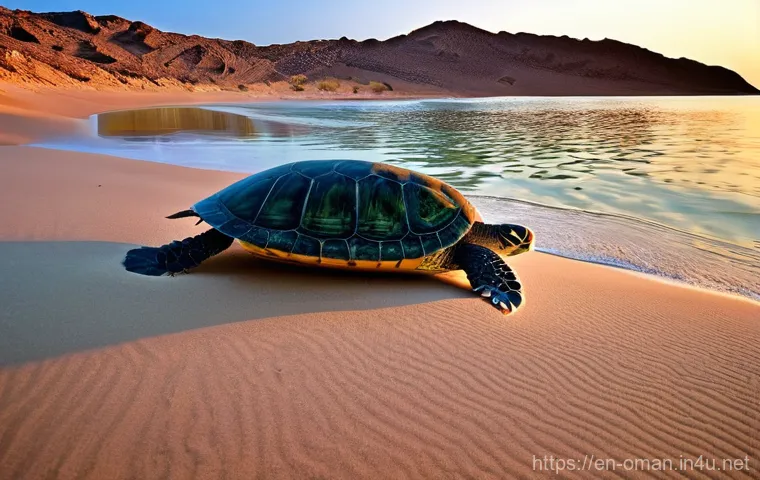
They’ve also established crucial marine reserves, like the Ras Al Jinz Turtle Reserve and the Daymaniyat Islands Nature Reserve, providing safe havens for threatened species. Protecting these areas is absolutely vital.
Safeguarding Terrestrial Wildlife and Habitats
-
On land, conservation efforts include establishing nature reserves and protected areas that safeguard habitats and vulnerable species. The Arabian Oryx Sanctuary, for example, is a testament to their successful reintroduction and protection programs. Seeing the oryx thrive again is a real success story.
-
Oman is actively working to combat desertification and land degradation, including ambitious projects like planting millions of trees across the Sultanate. It’s a truly hands-on approach to greening the land.
Thirsty Land, Smart Solutions: Water Security in the Desert
Living in an arid region, water scarcity is a challenge Oman has faced for centuries, yet their current approach to water management is nothing short of innovative and inspiring.
They truly understand that water isn’t just a resource; it’s a strategic commodity, and their efforts reflect that urgency. It feels like they’re weaving together traditional wisdom with cutting-edge technology to ensure every drop counts.
I mean, when 85% of your freshwater goes to agriculture, you *have* to be smart about it, right? Their commitment to water conservation and augmentation is a clear testament to their long-term sustainability goals.
Modernizing Water Use in Agriculture
-
A significant portion of Oman’s freshwater is traditionally used in agriculture, primarily from groundwater. I’ve seen how they’re modernizing irrigation, moving from flood irrigation to more efficient drip and sprinkler systems. This alone can save a huge amount of water.
-
They’re providing technical and financial support to farmers to help them make this transition, which I think is a brilliant way to encourage adoption and make a real impact at the grassroots level.
Augmenting Water Resources
-
Desalination plants play a critical role in supplementing their water supply, and they’re continually working to make these processes more energy-efficient and sustainable. It’s an essential technology for the region.
-
What’s truly remarkable is their focus on treating and reusing wastewater for agriculture and industry. This not only conserves precious freshwater but also significantly reduces carbon emissions. It’s a win-win.
-
They’re even exploring innovative methods like water fog collection and building recharge dams to capture rainwater – a holistic approach that covers all bases.
Adventures with a Conscience: Oman’s Flourishing Eco-Tourism
If you’re anything like me, you love to travel, but you also want to make sure your adventures are responsible and leave a positive impact. That’s why Oman’s burgeoning eco-tourism sector is so exciting!
They’re not just throwing up resorts; they’re thoughtfully integrating tourism with environmental protection and local community benefits. It feels like every new eco-project I hear about is designed to offer an authentic, nature-based experience while preserving the very beauty that draws us in.
This strategic approach aligns perfectly with their Vision 2040, showing that they understand the immense value of their natural heritage. I’ve heard some incredible stories from travelers who have experienced Oman’s eco-lodges and sustainable tours, and it just reinforces my belief that this is the future of travel.
Unique Eco-Experiences
-
Oman is investing heavily in developing its numerous nature reserves into responsible tourist destinations. We’re talking about everything from desert landscapes to coastal habitats and mountain ecosystems. It’s incredibly diverse!
-
Projects like the Ras Al Jinz Turtle Eco-Lodge expansion offer upgraded lodging and eco-education centers, allowing visitors to witness nesting green turtles responsibly. Imagine experiencing that firsthand!
-
They’re developing eco-villages in places like Jabal Akhdar and low-impact eco-camps in the Rub’ al Khali desert, ensuring that visitors can immerse themselves in nature without harming it.
Community and Sustainability at Heart
-
What truly impresses me is the strong emphasis on community involvement. Many initiatives include training and hiring locals as eco-guides and hospitality staff, especially women and youth, providing much-needed economic uplift to remote areas. It’s about sustainable development for *everyone*.
-
Sustainability is central to these projects, featuring solar-powered facilities, biodegradable waste management systems, and environmental education for both visitors and locals. It’s a holistic approach that I deeply admire.
Vision 2040: A Master Plan for a Greener Tomorrow
When you look at everything Oman is doing, it’s clear that these aren’t just isolated projects; they’re all part of a grand, overarching strategy encapsulated in “Oman Vision 2040.” This isn’t just some abstract plan; it’s a meticulously crafted blueprint that puts environmental sustainability right at its core.
It’s so exciting to see a nation commit so wholeheartedly to diversifying its economy, protecting its natural resources, and fostering a society that truly values a healthy planet.
I truly believe this vision is a powerful testament to their leadership’s foresight and their people’s dedication. It’s a roadmap that many other countries could learn from, balancing ambition with concrete, actionable steps.
Key Pillars of Sustainable Development
-
Vision 2040 is built on several key pillars, with “Sustainable Environment” being a critical one. It aims to create effective, balanced, and resilient ecosystems, protecting the environment and ensuring the sustainability of natural resources. It’s a comprehensive approach that leaves no stone unturned.
-
The vision targets significant improvements in energy efficiency and aims to elevate Oman’s ranking in the Environmental Performance Index, striving to be among the top 20 countries globally by 2040. These are truly ambitious goals that speak volumes about their commitment.
Ambitious Targets and Tangible Progress
The targets outlined in Vision 2040 are not just aspirational; they’re backed by concrete plans and ongoing projects. It truly feels like they’re building a new future, piece by piece, with a clear direction and a strong sense of purpose.
| Sustainability Area | Key Target by 2030 | Key Target by 2040 |
|---|---|---|
| Renewable Energy Share | 30% of electricity from renewables | 35-39% of electricity from renewables |
| Green Hydrogen Production | 1 million tons per annum | 3.75 million tons per annum |
| Waste Diversion from Landfills | 80% of solid waste diverted | Reduce municipal waste generation to less than 1kg/day per capita |
| Environmental Performance Index | Top 40 countries worldwide | Top 20 countries globally |
| Net-Zero Emissions | Achieve net-zero carbon emissions by 2050 (Interim targets apply) | Achieve net-zero carbon emissions by 2050 (Interim targets apply) |
-
They’re targeting a significant increase in the non-oil sector’s contribution to GDP, showing a clear pathway for economic diversification that doesn’t rely on hydrocarbons. This is a crucial step for long-term resilience.
-
Ultimately, Vision 2040 is about creating a truly sustainable and prosperous nation, one that balances economic growth with social well-being and environmental protection, ensuring a high quality of life for all its citizens. I find that genuinely inspiring.
Wrapping Things Up
Honestly, seeing Oman’s unwavering commitment to building a greener, more sustainable future truly warms my heart. It’s not just talk; they are actively implementing groundbreaking projects in renewable energy, green hydrogen, and eco-tourism that are setting a benchmark for the entire region. This journey from an oil-dependent economy to a champion of sustainability is incredibly inspiring and shows what’s possible with clear vision and dedicated effort. I’m genuinely excited to watch their progress unfold, knowing that they are laying down a robust, future-proof foundation for generations to come. It’s a powerful reminder that every nation has the potential to redefine its story and lead the way towards a healthier planet.
Handy Tips and Further Insights
1. If you’re planning a trip to Oman, consider opting for eco-friendly accommodations. Many hotels and lodges are now prioritizing sustainability, using renewable energy, and engaging in waste reduction efforts. Look for places certified with labels like ‘Green Key’ to ensure your stay supports their green initiatives.
2. Embrace responsible tourism practices by supporting local businesses and guides. When you eat at small, family-owned restaurants or buy handmade crafts, you’re directly contributing to the local economy and helping preserve Oman’s unique cultural heritage.
3. Always minimize your environmental footprint by carrying reusable water bottles and avoiding single-use plastics. Oman is actively implementing measures against plastic pollution, and as visitors, we can play a crucial role in supporting these efforts.
4. Dive into Oman’s natural wonders responsibly! Whether you’re hiking in the Al Hajar Mountains or snorkeling in the pristine waters, stick to marked trails and choose tour operators that prioritize conservation and educate visitors on local ecosystems.
5. Stay informed about Oman’s ongoing sustainability projects, especially in areas like Duqm, which is becoming a hub for green hydrogen and eco-tourism. Understanding their long-term vision not only enriches your travel experience but also highlights the global impact of their green initiatives.
Key Takeaways for a Sustainable Future
Oman’s dedication to environmental sustainability is truly comprehensive, weaving through every aspect of its national development. The country’s bold pursuit of renewable energy, particularly solar and wind, coupled with ambitious green hydrogen projects, positions it as a significant player in the global energy transition. What I find most remarkable is how Oman Vision 2040 provides a clear, actionable roadmap, focusing not just on environmental protection but also on economic diversification, waste management, and fostering a robust eco-tourism sector. They’re not just aiming for change; they’re actively building the infrastructure and policy frameworks to make it happen, demonstrating a strong commitment to a balanced, resilient, and prosperous future for all.
Frequently Asked Questions (FAQ) 📖
Q: How is Oman truly stepping up its game in the renewable energy sector, and what’s the buzz about their green hydrogen plans?
A: Oh, this is one of the most exciting parts of Oman’s journey, in my opinion! You know, for a country that’s historically been an energy producer, their pivot towards renewables is just remarkable.
From what I’ve been following, they’ve set some seriously ambitious targets – we’re talking about aiming for 11% of their electricity from renewables by 2025, jumping to a whopping 30% by 2030, and with a grand vision of 90% to 100% clean energy by 2050!
It’s not just talk either; I’ve seen them actively investing in massive solar and wind projects, with huge capacities being developed across the country.
Think large-scale solar PV plants and impressive wind farms in areas like Dhofar. But the real game-changer, and something I’m particularly fascinated by, is their push into green hydrogen.
They’re not just dabbling; they want to be a global leader! The goal is to produce 1 million tonnes of green hydrogen annually by 2030, scaling up significantly to 8.5 million tonnes by 2050.
The Omani government even established a dedicated entity, Hydrom, to really drive this forward, attracting billions in international investment. What makes this so unique is how they’re doing it: using electrolyzers powered by renewable electricity from desalinated seawater.
It’s a brilliant, circular approach that really showcases their innovative spirit. I mean, who wouldn’t be impressed by that kind of foresight?
Q: I’m always looking for sustainable travel destinations. What makes Oman stand out for eco-tourism and how are they protecting their stunning natural landscapes?
A: That’s a fantastic question, and honestly, Oman is quickly becoming a top contender for anyone passionate about responsible travel. From my own research, and seeing how they’re developing things, it’s clear they’re taking a truly thoughtful approach.
They’ve designated over 20% of their land as protected areas, which is a massive commitment to conservation! We’re talking about 31 nature reserves that safeguard everything from rich marine life to unique desert ecosystems, like the Arabian Oryx Sanctuary.
What I find incredibly appealing is their focus on authentic, nature-based experiences that go beyond typical sightseeing. They’re developing things like turtle ponds, eco-safaris, and even adventure tourism right within these protected settings.
And it’s not just about drawing in visitors; they’re deeply involving local communities in planning, running, and maintaining these projects. This ensures that tourism directly benefits the people who live there, creating jobs and opportunities for small and medium-sized enterprises (SMEs).
For example, I recently read about the Hawiyat Najm Glamping Project, which is set to be Oman’s first fully integrated eco-tourism destination, with solar-powered facilities and waste recycling systems built right in.
It’s truly inspiring to see a nation so dedicated to preserving its treasures while creating meaningful, sustainable experiences for travelers.
Q: Beyond all the exciting energy and tourism initiatives, what other key sustainability efforts is Oman implementing as part of its Vision 2040?
A: It’s easy to get caught up in the big, splashy projects, but Oman’s commitment to sustainability truly runs deep, touching almost every aspect of their national development through Vision 2040.
What really stands out to me is their holistic approach. For instance, waste management is a huge focus. I’ve seen how they’re tackling it head-on, aiming to dramatically reduce landfill dependency and boost recycling rates.
The Oman Environmental Services Holding Company, be’ah, has set ambitious goals to divert 60% of solid waste from landfills by 2025 and an impressive 80% by 2030.
They’re not just moving trash; they’re exploring waste-to-energy projects and encouraging a circular economy, where waste is seen as a resource. They’ve even introduced new laws and are pushing for public-private partnerships to improve infrastructure and recycling facilities.
Beyond that, Vision 2040 emphasizes efficient water conservation, protecting biodiversity across their diverse landscapes, and even developing sustainable cities.
They’re investing in green digital technologies and really aiming for a resilient, low-carbon future. And it’s all underpinned by their commitment to achieving net-zero carbon emissions by 2050.
From what I’ve observed, it’s not just a collection of initiatives; it’s a profound, integrated strategy that shows how seriously Oman takes balancing economic growth with environmental well-being and social prosperity.
They really are building a greener future, literally from the ground up!